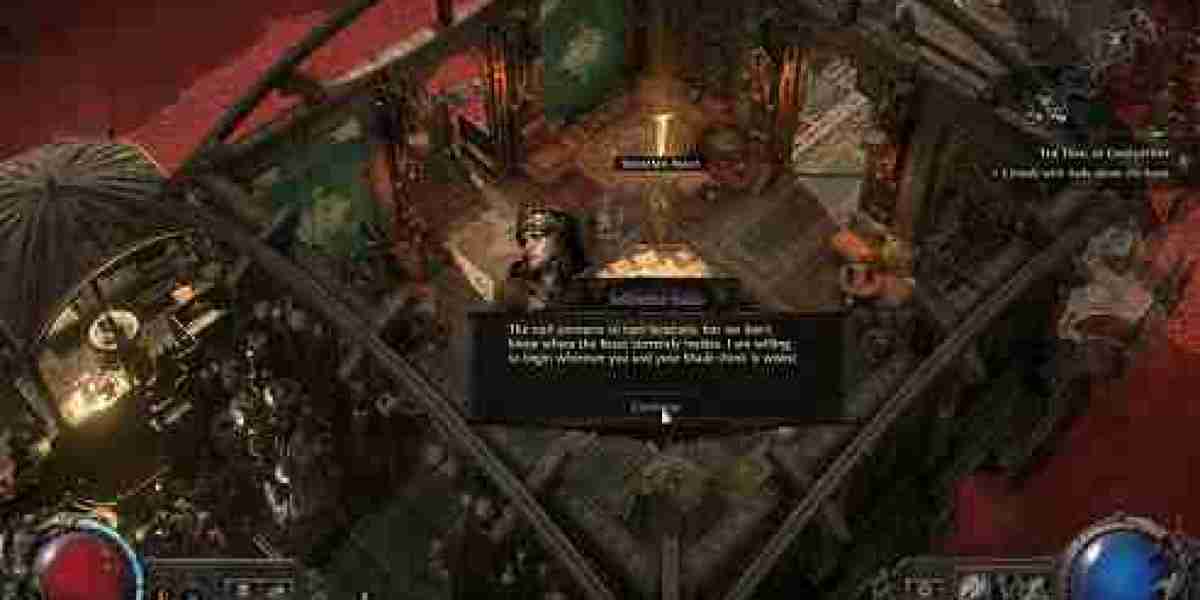

Path of Exile 2 Patch 0.5.0 has made Storm Wave Monk a very appealing choice for players who want to start cheaply and still feel powerful while mapping. You do not need a stash full of rare gear to get moving, although having some POE 2 Currency ready will make the early upgrades much easier to handle. The build is built around Storm Wave, a fast elemental attack that reaches across packs and clears them with very little effort. For most encounters, you press one main skill, keep moving, and let the screen open up in front of you. That simple rhythm is a big part of the appeal. It feels smooth during the campaign, remains useful through early Atlas progression, and does not force you to learn a complicated rotation before the character starts working.
Why Storm Wave Monk Feels So Comfortable
The best thing about this Monk is how quickly it gets into a useful state. Many league starters feel weak until several support gems, expensive uniques, or carefully crafted rares come together. Storm Wave Monk is less demanding. A decent weapon, sensible resistances, and a few offensive modifiers are usually enough to make the build feel reliable. You will notice the difference as soon as you fight larger packs. Storm Wave covers a broad area, hits quickly, and lets you attack from a safer position instead of standing directly inside every group of enemies.
It also suits players who prefer a relaxed mapping style. There is no need to stop every few seconds and manage several temporary buffs just to maintain basic damage. You still need to pay attention to movement, positioning, and dangerous modifiers, but the character does not constantly interrupt your pace. That matters more than it might seem. A build that feels easy to operate is often the one you keep playing after the first few days of a league.
Yoke of Suffering and Elemental Scaling
Yoke of Suffering is the main unique that gives this setup its identity. Once you can equip it, the build starts making better use of its elemental damage and ailment effects. Storm Wave can apply different elemental ailments, and those effects help increase the damage enemies take. You do not have to build around a narrow single-element setup. Instead, the character benefits from spreading elemental pressure across an entire pack.
That does not mean you should ignore the rest of the character. Yoke of Suffering is a strong upgrade, but it cannot fix poor defences, a weak weapon, or a character that cannot sustain its attacks. Treat it as an important milestone rather than something you must buy immediately. Start with a solid rare amulet if the unique is outside your budget. When you eventually replace it, the damage increase should feel noticeable without forcing you to rebuild every other slot.
Gear Choices That Actually Matter
Early gear decisions should be practical. A weapon with useful elemental damage, attack speed, and a reasonable critical strike chance will usually do more for the build than an expensive item with one impressive modifier and several dead stats. Life and elemental resistances still come first on defensive pieces, especially when you begin entering maps with harsher modifiers. If your mana keeps running low, fix that problem early. A little mana sustain can be worth more than another small damage roll because it stops the character from losing momentum during longer fights.
As your budget grows, look for upgrades in stages. Improve the weapon first if your clear speed starts to slow down. Then check your gloves, rings, and amulet for attack speed, critical modifiers, elemental bonuses, and missing resistances. Do not rush into luxury items just because another player is using them in a showcase. A balanced character with comfortable defences will usually earn more and die less than a glass cannon that looks stronger on paper.
Passive Progression and Endgame Use
The passive tree should reinforce what Storm Wave already does well. Elemental damage, attack speed, critical strike investment, and life are natural priorities. Add defensive layers that match your equipment and playstyle rather than blindly copying every point from a high-budget version. Evasion can help you stay mobile, while additional life gives you more room to survive mistakes and sudden bursts of damage. Support gems should improve the skill's damage, coverage, and speed, but you should also keep an eye on mana costs as the character develops.
In maps, the build is at its best when it can keep moving. Fire Storm Wave into a pack, step away from incoming threats, and avoid wasting time on monsters that are already close to dying. Early and mid-tier endgame content should be comfortable with ordinary upgrades, while harder pinnacle encounters will ask for better rolls and more careful play. Keep collecting useful rares and crafting bases as you progress. Items that look unimportant at first can become trade pieces or crafting materials, and steady upgrades are often more valuable than waiting for one perfect drop.
Final Thoughts
Storm Wave Monk is a strong budget option for Patch 0.5.0 because it offers the things most league starters need: quick clearing, simple controls, useful scaling, and a realistic upgrade path. Begin with affordable rares, solve your defences and mana problems, then work towards Yoke of Suffering when your finances allow it. Keep your spending focused on upgrades that improve the whole character rather than chasing flashy items too early. With sensible planning and regular upgrades, the build can take you from the campaign into a productive Atlas routine while leaving room for more ambitious goals. Careful trading and access to cheap POE 2 Currency can make that progression noticeably smoother without turning the build into an expensive project.