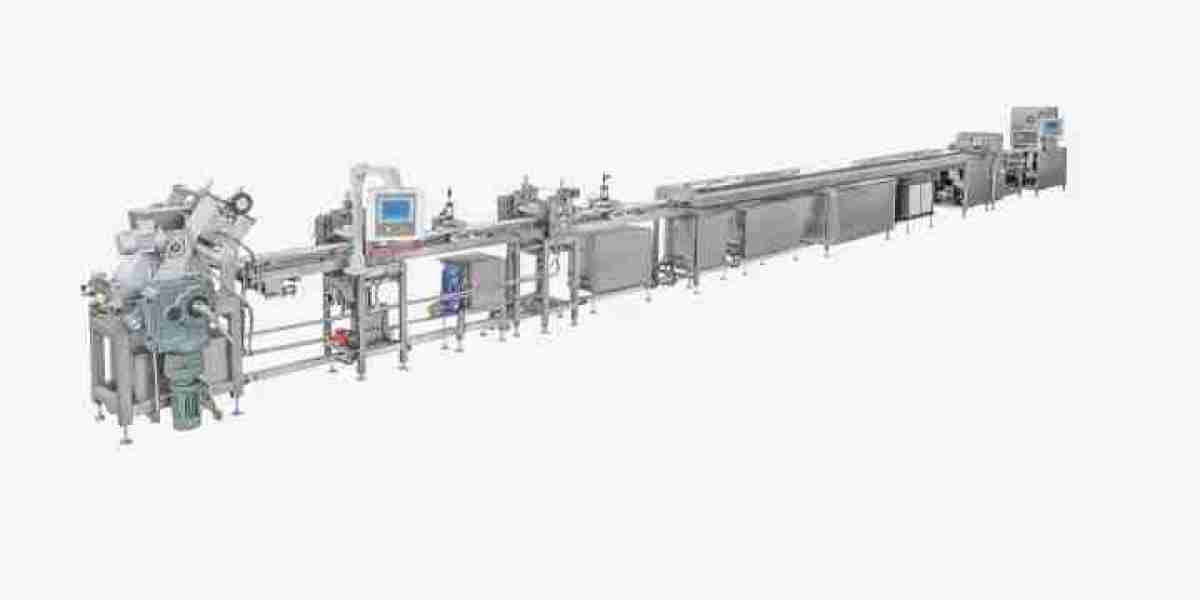

In modern food manufacturing environments, consistent product quality and stable equipment performance are essential for maintaining efficient production operations. In many facilities, the Energy Bar Line is used as an integrated system that supports controlled mixing, forming, and cutting processes to ensure uniform product output. Performance evaluation and quality control play a central role in ensuring that production systems operate reliably across continuous manufacturing cycles.
Performance evaluation begins with process stability. A well-functioning production system must maintain consistent operating conditions throughout each stage of manufacturing. Stable processing helps ensure that ingredient blending, forming thickness, and cutting accuracy remain uniform. This consistency is critical for achieving predictable product characteristics and maintaining efficient production flow.
Another important performance factor is structural reliability. Equipment used in continuous food production must withstand prolonged operational demands while maintaining consistent functionality. Reliable mechanical performance helps reduce interruptions and supports smooth workflow management. Equipment stability also contributes to improved production planning and operational efficiency.
Product consistency is a key measure of system performance. Energy bars require uniform shape, texture, and ingredient distribution to meet manufacturing expectations. Equipment that maintains precise control over forming and cutting stages helps ensure that each product meets consistent standards. This reduces variation and supports overall production quality.
Quality control begins during equipment manufacturing, where component selection and assembly accuracy are carefully managed. Each part must meet specific functional requirements to ensure stable performance during operation. Attention to manufacturing detail helps establish a strong foundation for long-term equipment reliability and consistent production outcomes.
Material suitability is another important aspect of quality assurance. Equipment components used in food processing must support durability and hygienic operation. Proper material selection helps maintain structural integrity while ensuring that equipment remains suitable for repeated production use. This contributes to long-term operational stability and maintenance efficiency.
Gusu Food Processing Machinery Suzhou Co.,Ltd. focuses on engineering food processing systems that prioritize reliability and consistent performance. Through careful design and manufacturing practices, the company provides equipment solutions that support stable energy bar production while meeting diverse operational requirements.
Testing and inspection procedures are commonly applied to evaluate equipment performance before deployment. These assessments help ensure that machinery operates within expected parameters and maintains stable processing conditions. Systematic evaluation contributes to improved reliability and reduces the likelihood of operational inconsistencies during production.
Ongoing quality monitoring is also essential in production environments. Operators frequently observe equipment behavior to ensure that processing conditions remain stable. Continuous monitoring helps identify potential deviations early and supports timely adjustments that maintain product consistency. This contributes to smoother production workflows and improved operational control.
Maintenance practices are closely connected to quality control. Regular servicing helps preserve equipment performance and reduces the risk of unexpected operational issues. Preventive maintenance ensures that machinery continues to function efficiently while supporting long-term production stability.
Hygiene management also plays an important role in quality assurance. Food processing equipment must be cleaned and maintained according to strict operational requirements. Proper cleaning practices help prevent material buildup and ensure that production environments remain suitable for consistent food manufacturing.
As manufacturing standards continue to evolve, performance evaluation and quality control remain essential components of food production systems. Equipment that supports stable operation, consistent output, and reliable quality management contributes significantly to efficient manufacturing processes.
Manufacturers evaluating solutions from an Energy Bar Line Manufacturer often prioritize performance stability, quality assurance, and long-term operational reliability. Gusu Food Processing Machinery Suzhou Co.,Ltd. continues to provide food processing systems designed to meet these requirements. More product information is available at https://www.gusumachinery.com/product .