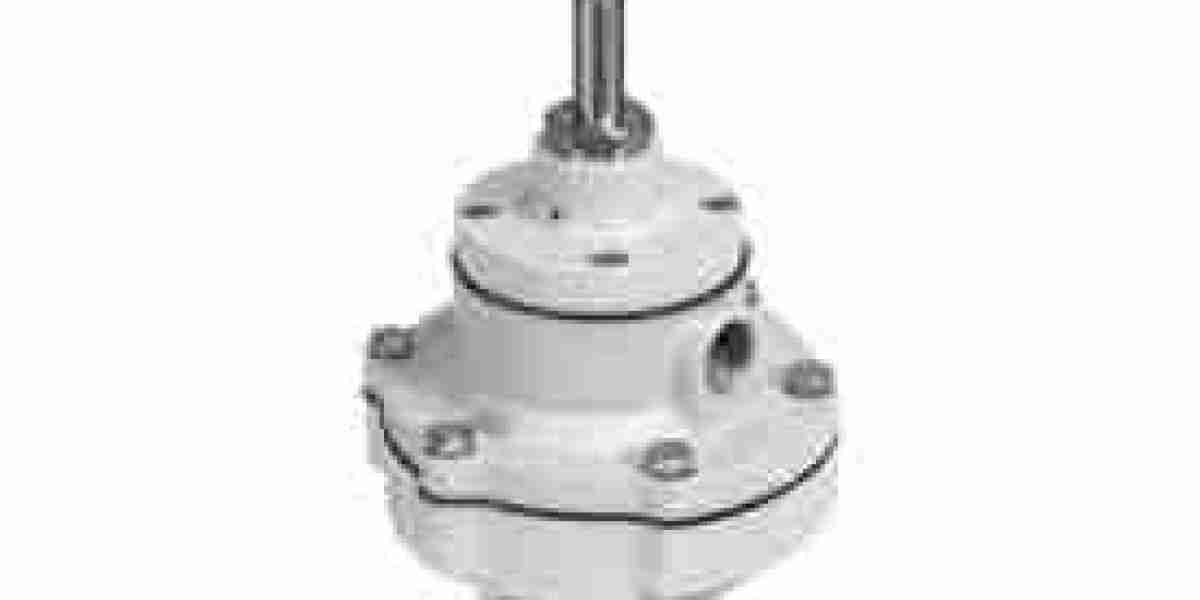

Modern sanitation infrastructure requires highly reliable, hygienic, and automated water control systems to ensure efficiency and cleanliness in public environments. The Urinal Solenoid Valve is a key component in these systems, enabling automatic flushing control through electromagnetic actuation. Zhejiang Fuxin Electrical Technology Co., Ltd. integrates advanced material engineering and precision manufacturing to enhance performance stability and hygiene reliability.
Material selection is crucial in sanitation applications. Engineers use corrosion-resistant stainless steel and high-durability polymer materials to withstand constant moisture exposure and chemical cleaning agents. These materials ensure long-term structural integrity and reduce degradation in high-frequency usage environments. Surface finishing techniques such as anti-corrosion coating and precision polishing further enhance durability and hygiene performance.
Electromagnetic control enables precise and automated flushing operation. The Urinal Solenoid Valve responds to electronic signals from timing systems or sensor modules, converting electrical energy into mechanical motion. Engineers optimize coil structure and magnetic circuit efficiency to ensure stable switching performance with minimal energy consumption. This improves responsiveness and operational consistency in public sanitation systems.
Sealing technology is essential for preventing leakage and maintaining hygiene. Advanced elastomer sealing components provide excellent elasticity and compression resistance, ensuring reliable performance even after thousands of operation cycles. Precision sealing surfaces reduce internal wear and maintain long-term stability under continuous use conditions.
Manufacturing precision ensures consistent product quality. CNC machining systems and automated assembly processes maintain strict dimensional accuracy across all components. This ensures reliable electromagnetic performance and mechanical alignment, reducing variability in large-scale installations.
Fluid flow optimization improves flushing efficiency. Internal channel structures are designed to minimize turbulence and ensure smooth water distribution. This improves cleaning effectiveness while reducing water consumption.
Thermal stability is also an important consideration. Heat generated during electromagnetic switching is controlled through optimized structural design, ensuring stable operation even under continuous usage conditions.
Reliability testing is essential in sanitation applications. Each unit undergoes endurance testing, sealing verification, and electromagnetic stability analysis to ensure consistent performance in real-world environments.
Hygienic design principles are central to urinal systems. Contactless operation reduces contamination risk and improves cleanliness in public facilities such as airports, malls, and transportation hubs.
Energy efficiency is achieved through automated control systems that activate only when necessary, reducing unnecessary water usage and supporting sustainable operation.
Zhejiang Fuxin Electrical Technology Co., Ltd. continues to develop advanced sanitary fluid control solutions. More details can be found at https://www.fuxinvalve.com/product/sanitary-ware-solenoid-valves/ for modern hygiene system applications.