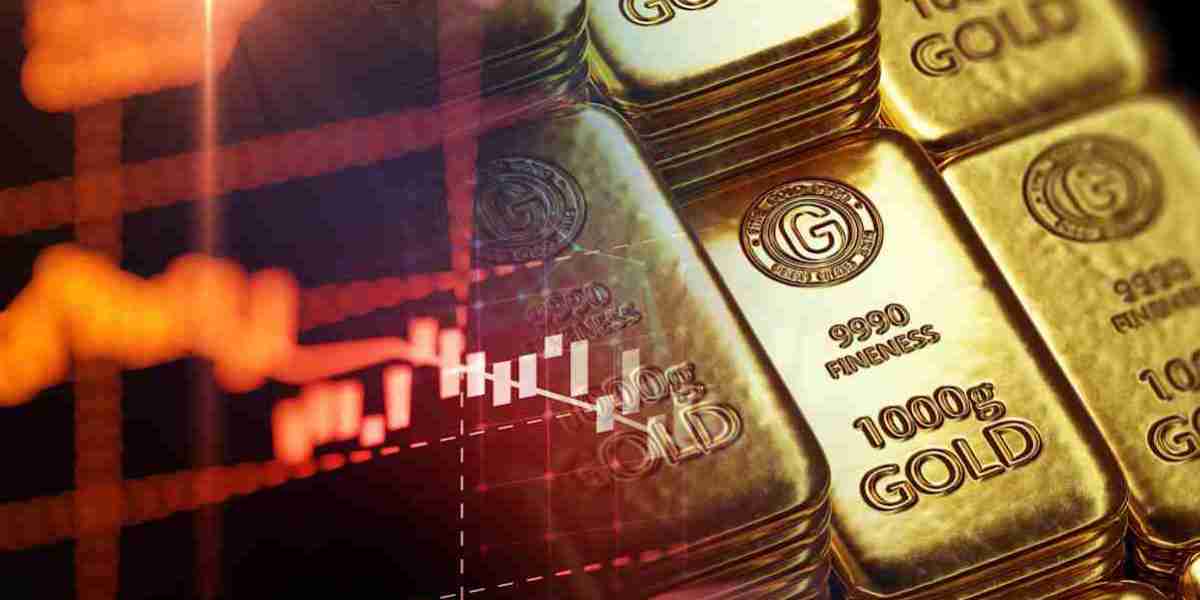

Gold has been valued for centuries and continues to hold a special place in economies around the world. People buy gold for different reasons, including investment, savings, jewelry, and financial security. Because of its lasting value, many individuals pay close attention to changes in gold rates. Understanding how gold prices work can help consumers and investors make better financial decisions.
The value of gold changes regularly due to several economic factors. Global demand and supply play a major role in determining its price. When demand increases and supply remains limited, prices generally rise. On the other hand, if demand decreases or supply becomes abundant, prices may fall. These movements are part of the normal behavior of commodity markets.
Economic conditions also influence gold pricing. During periods of uncertainty, many investors view gold as a safe asset. When stock markets become unstable or inflation rises, people often move their money into gold. This increased demand can push prices higher. As a result, gold is often considered a protective investment during challenging economic times.
Currency strength is another important factor that affects gold rates. Since gold is commonly traded in U.S. dollars, changes in the value of the dollar can impact pricing worldwide. A weaker dollar may make gold more attractive to international buyers, while a stronger dollar can sometimes reduce demand. This relationship is closely watched by financial analysts and market participants.
Central banks around the world also play a role in the gold market. Many countries hold gold reserves as part of their financial strategy. When central banks buy or sell significant amounts of gold, the market may react accordingly. These actions can influence investor confidence and contribute to price fluctuations over time.
Technology has made it easier than ever for people to monitor gold rates. Investors can access financial websites, mobile applications, and market platforms to track the live gold price throughout the day. This real-time information helps individuals make informed decisions about buying, selling, or holding their gold investments.
Gold is available in different forms, including bars, coins, and jewelry. Each option serves a different purpose. Investment-grade bars and coins are often chosen by those seeking long-term value, while jewelry combines personal style with financial worth. Understanding the differences between these forms can help buyers select the option that best suits their goals.
Seasonal demand can also influence market behavior. In many countries, cultural celebrations, weddings, and festivals increase the demand for gold jewelry. Higher consumer purchasing activity during these periods may contribute to price changes. These trends demonstrate how cultural and economic factors often work together within the gold market.
Investors frequently compare gold with other assets such as stocks, bonds, and real estate. While every investment carries risks, gold is often appreciated for its stability and historical value. It may not always generate rapid returns, but many people include it in their portfolios as a way to diversify their investments and reduce overall risk.
Understanding market trends requires patience and research. Rather than making decisions based on short-term price movements, successful investors often focus on long-term objectives. Monitoring economic indicators, global events, and financial news can provide valuable insights into future market conditions and potential opportunities.
Gold continues to be one of the most recognized and trusted assets in the world. Its ability to retain value over time has made it a preferred choice for generations. Whether someone is purchasing gold for personal use or investment purposes, having a clear understanding of the factors that influence prices can lead to more confident and informed financial decisions.
As global markets evolve, gold remains an important part of the financial landscape. By learning how pricing works and staying informed about market developments, individuals can better navigate opportunities and challenges associated with this precious metal. Knowledge and careful planning are key elements in making the most of any gold-related investment strategy.