
Heating, ventilation, and air conditioning systems play a major role in maintaining a comfortable indoor environment throughout the year. They help regulate temperature, improve air circulation, and support healthier living conditions. In regions with warm climates, air conditioning becomes especially important for creating a relaxing atmosphere inside the home. Since these systems operate frequently, ensuring they remain efficient and dependable is a priority for many homeowners.
Signs That an HVAC System May Need Replacement
Even well-maintained systems eventually reach the end of their useful lifespan. Frequent repairs, uneven temperatures, rising energy bills, and unusual noises can all indicate that an upgrade may be necessary. Older systems often struggle to perform efficiently, leading to increased operating costs and reduced comfort. Recognizing these warning signs early allows homeowners to explore replacement options before experiencing complete system failure.
The Advantages of Investing in a New System
Replacing an outdated HVAC unit can offer numerous benefits. Modern systems are typically designed with improved energy efficiency, allowing them to deliver reliable performance while consuming less energy. Homeowners may also notice better temperature consistency and enhanced indoor air quality. These improvements contribute to greater comfort while potentially reducing monthly utility expenses over the long term.
Understanding the Replacement Process
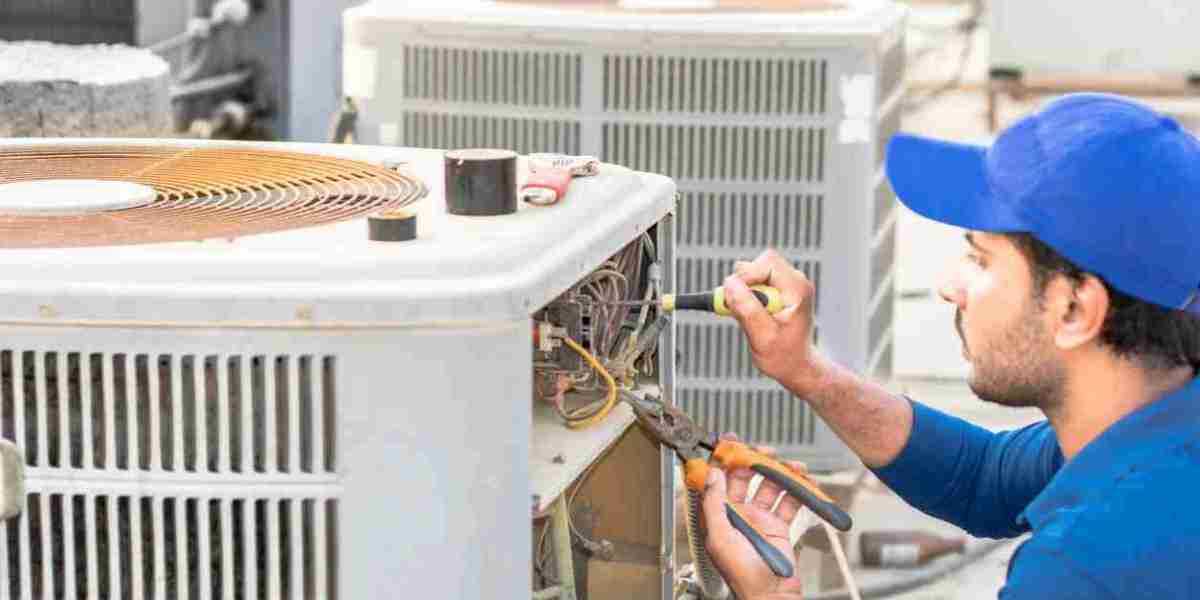
A successful HVAC replacement begins with a detailed evaluation of the property's specific needs. Professionals assess factors such as square footage, insulation levels, and existing ductwork to recommend an appropriately sized system. Homeowners considering HVAC replacement Boynton Beach FL often benefit from expert guidance that ensures the selected equipment aligns with both performance expectations and budget considerations.
Why Proper System Sizing Matters
Choosing the correct system size is one of the most important aspects of HVAC installation. An undersized unit may struggle to maintain desired temperatures, while an oversized system can cycle on and off too frequently. Both situations can reduce efficiency and place unnecessary strain on equipment. Professional assessments help determine the most suitable option for achieving balanced comfort and reliable operation.
Energy Efficiency and Cost Savings
Energy efficiency has become an important factor for homeowners evaluating replacement opportunities. Advanced HVAC systems frequently include features designed to optimize performance and minimize energy consumption. Although the initial investment may seem significant, lower operating costs over time can make the decision financially beneficial. Improved efficiency also supports environmentally responsible practices by reducing overall energy demand.
The Importance of Working With Qualified Professionals
The quality of installation has a direct impact on system performance and longevity. Experienced technicians understand industry standards and follow proper procedures during every stage of the installation process. Selecting local HVAC contractors provides homeowners with access to professionals who are familiar with regional climate conditions and common household requirements. Their expertise contributes to a smoother installation experience and dependable long-term results.
How Indoor Air Quality Benefits From Modern Systems
In addition to temperature control, HVAC systems influence the quality of the air people breathe indoors. Many newer models include advanced filtration capabilities that help reduce airborne particles such as dust and allergens. Improved airflow and humidity management can further enhance indoor comfort. For households with individuals sensitive to environmental factors, upgraded systems may contribute to a healthier living environment.
The Role of Routine Maintenance After Installation
Even after a new system has been installed, ongoing maintenance remains essential. Regular inspections and tune-ups help ensure that equipment continues operating efficiently. Maintenance visits often include cleaning components, checking refrigerant levels, and identifying minor concerns before they become major problems. Consistent care supports optimal performance and extends the lifespan of the investment.
Planning Financially for HVAC Improvements
Replacing a heating and cooling system represents a significant home improvement project. Homeowners can benefit from establishing a budget and exploring available financing options when appropriate. Comparing energy savings, expected maintenance costs, and long-term value may provide a clearer understanding of the investment. Careful planning supports informed decision-making and reduces stress throughout the replacement process.
Final Thoughts on Upgrading Your HVAC System
An efficient HVAC system is essential for maintaining comfort, supporting indoor air quality, and promoting energy savings. Understanding when replacement may be necessary allows homeowners to take proactive steps before unexpected breakdowns occur. By working with experienced professionals, selecting appropriately sized equipment, and prioritizing ongoing maintenance, individuals can maximize the value of their investment. Thoughtful planning and quality installation contribute to reliable performance and enhanced comfort for many years to come.