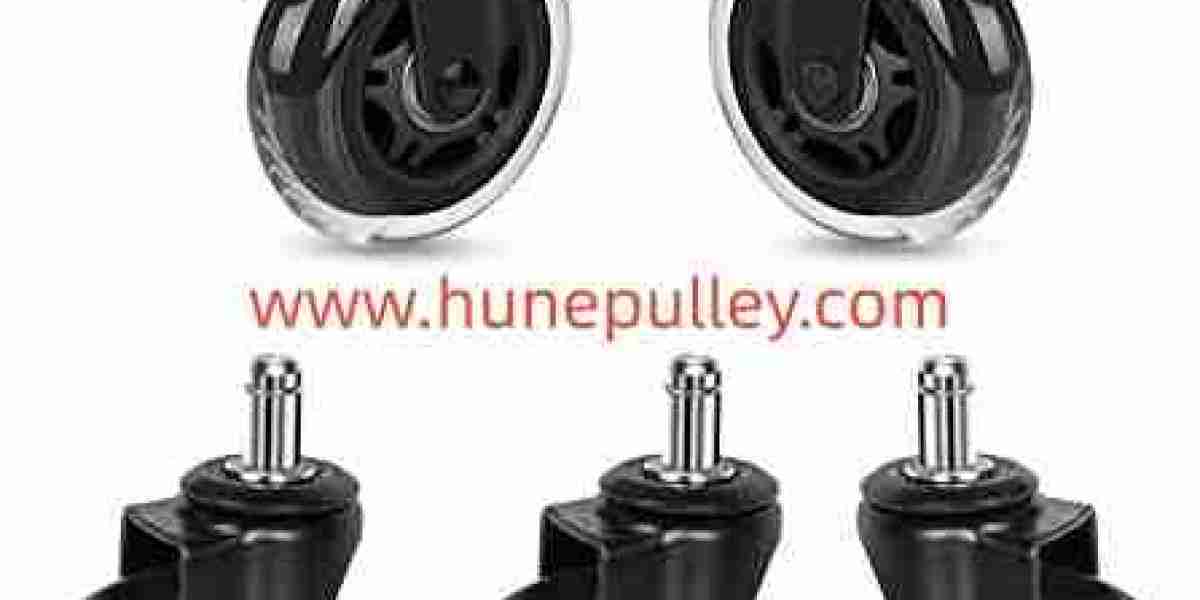

In modern industrial equipment, movement is more than a mechanical action—it is a carefully coordinated process that supports productivity, organization, and operational efficiency. Roller Wheel from Hunepulley is designed to contribute to motion guidance applications across a variety of industries where controlled movement and reliable performance are important considerations. As automation and advanced manufacturing continue to expand, motion-related components remain fundamental to effective equipment design.
Every production environment relies on equipment that can function smoothly within established workflows. Whether used in conveyor systems, automated machinery, storage equipment, or transportation mechanisms, motion-guiding components help support the movement of materials and equipment throughout daily operations. Their role may seem simple, yet they contribute significantly to the coordination and functionality of larger mechanical systems.
Industrial facilities frequently seek solutions that support both efficiency and adaptability. Components capable of integrating into different equipment configurations provide flexibility during system design and maintenance planning. This adaptability can help manufacturers address changing operational requirements while maintaining consistent equipment performance across multiple applications.
Smooth movement is often associated with effective workflow management. When materials travel through production processes in a controlled and organized manner, operations can become easier to manage and coordinate. Motion-guiding components support these objectives by helping equipment maintain predictable movement patterns that align with operational goals.
Another important consideration is equipment design flexibility. As machinery becomes more specialized, engineers are often challenged to optimize space utilization while maintaining functionality. Compact and adaptable components allow for greater design freedom, supporting innovative approaches to equipment development. This flexibility can be particularly valuable in industries where customized solutions are frequently required.
Automation continues to influence manufacturing, logistics, and material handling sectors. As systems become increasingly interconnected, each component contributes to the overall performance of the operation. Motion-guiding solutions play a role in supporting workflow continuity by helping equipment perform as intended within complex mechanical environments.
Beyond industrial production, guided movement systems are also found in warehousing, packaging, transportation, and specialized machinery applications. Each environment presents unique operational challenges, making versatility an important factor when selecting components. Solutions that can accommodate different requirements provide valuable support for organizations seeking practical and adaptable equipment configurations.
Long-term operational planning often includes consideration of maintenance efficiency and system reliability. Components that fit naturally into established equipment structures can support simplified maintenance processes and help organizations maintain operational continuity. Thoughtful component selection remains an important aspect of effective equipment management strategies.
Behind every efficient machine is a network of moving parts working together toward a common purpose. The path to smoother operations often begins with attention to the details that keep systems in motion. Visit https://www.hunepulley.com/product/ and take a closer look at the ideas, products, and engineering possibilities shaping modern motion solutions. Your next source of inspiration may be only one click away.