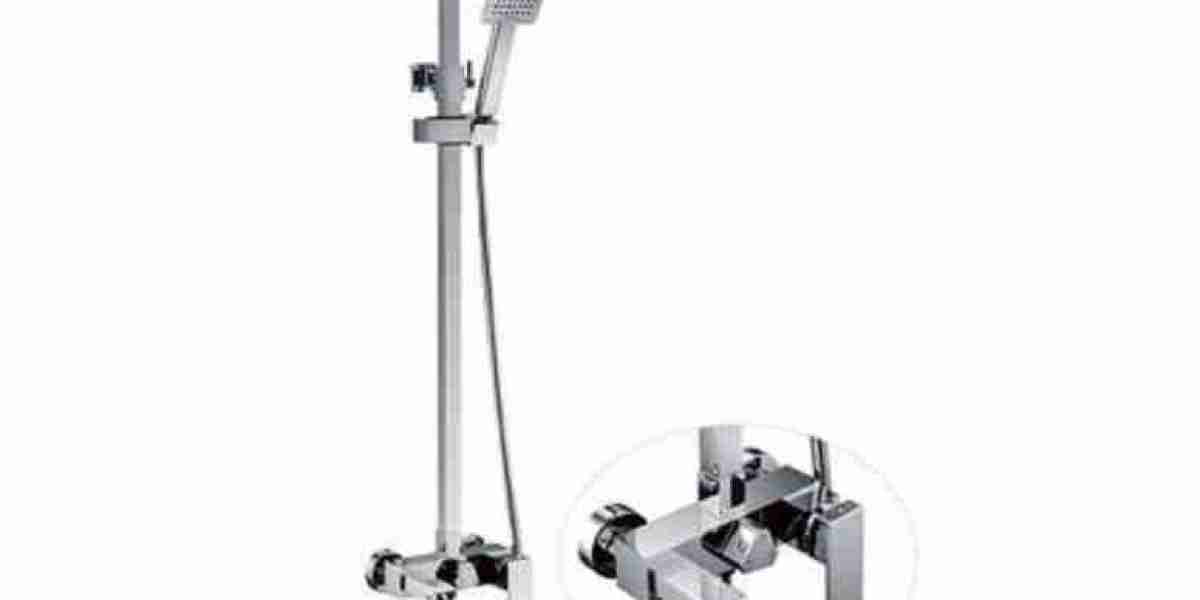

Modern bathroom systems increasingly focus on improving water control accuracy and user convenience, and shower faucet designs reflect this trend. A shower faucet is no longer just a simple mixing device for hot and cold water; it now includes multiple control technologies that help maintain stable temperature, improve safety, and support different user preferences. These developments are especially important in households where water usage fluctuates throughout the day, requiring consistent performance from the shower system.
One widely used solution in modern shower faucet systems is the thermostatic control design. Thermostatic valves automatically regulate the balance between hot and cold water to maintain a steady temperature even when pressure changes occur elsewhere in the plumbing system. This helps reduce sudden temperature shifts and provides a more stable showering experience. The system typically includes separate controls for temperature and water flow, allowing users to set their preferred level once and maintain it during use. This type of design is particularly useful in shared households where multiple water outlets may be used simultaneously.
In addition to thermostatic systems, digital control technology is becoming increasingly popular in shower faucet design. Digital systems replace traditional mechanical handles with electronic interfaces that allow users to set precise temperatures and flow levels. Some advanced systems also include features such as presets, timed operation, and remote activation. By separating the control interface from the valve mechanism, digital systems offer greater flexibility in bathroom layout and design, while also providing a more intuitive user experience.
Compared with traditional manual mixers, both thermostatic and digital systems represent a shift toward more precise water management in shower faucet applications. They help improve comfort by reducing the need for constant adjustment and minimizing fluctuations during use. At the same time, they support better safety by limiting exposure to sudden temperature spikes, which can occur in older or less advanced systems.
Overall, the development of modern shower faucet control technologies reflects a broader trend toward smarter and more user-friendly bathroom solutions. As design continues to evolve, both thermostatic and digital options are expected to play an increasingly important role in residential and commercial bathroom installations.