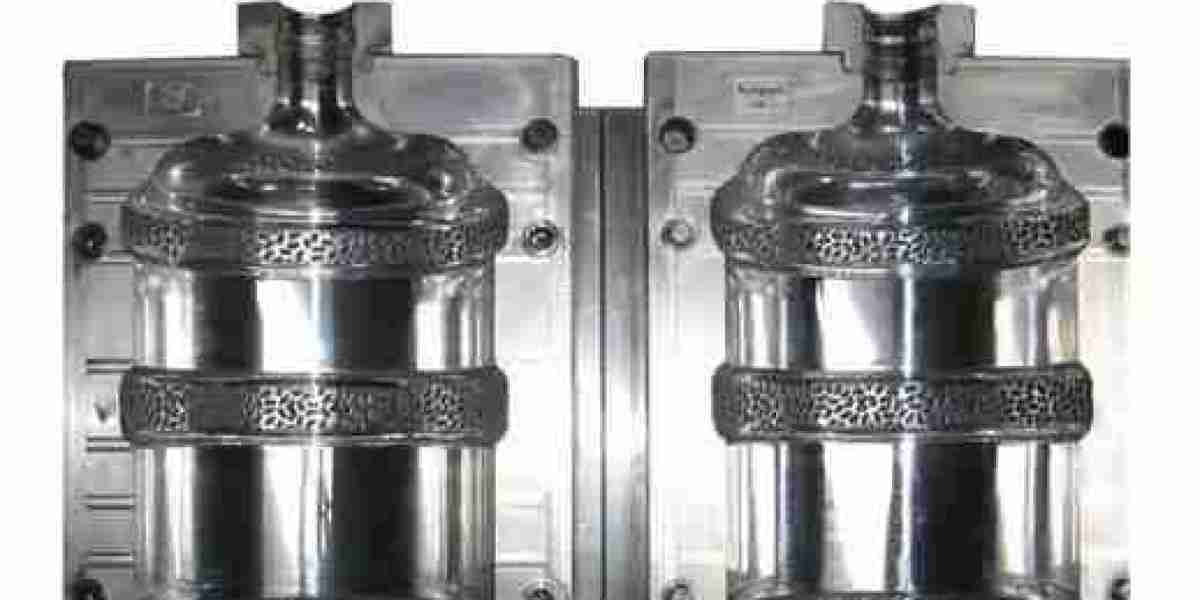

In today’s competitive manufacturing environment, Bottle Blowing Machine systems are essential for achieving efficient container production, while qhpreformmould supports businesses seeking stable quality, flexible operations, and dependable industrial performance. Packaging manufacturers now face increasing pressure to improve productivity while reducing waste, lowering energy consumption, and maintaining attractive product presentation. As global demand for plastic containers continues growing, advanced production technologies have become critical for supporting modern packaging efficiency and long-term operational reliability.
Industrial Packaging and Changing Market Expectations
The packaging industry has evolved far beyond basic product protection. Modern consumers pay close attention to container appearance, convenience, durability, and sustainability. Because of this, manufacturers must produce bottles that combine visual appeal with strong structural performance.
Businesses serving beverage, cosmetic, pharmaceutical, and household product industries often require multiple container formats within a single production schedule. This creates demand for manufacturing systems capable of handling different bottle sizes and shapes efficiently. Production flexibility has therefore become one of the most important advantages in modern industrial operations.
At the same time, manufacturers continue searching for methods to increase production speed without sacrificing consistency. Stable operational performance helps reduce downtime, minimize material waste, and improve customer satisfaction. Reliable equipment allows factories to maintain smoother workflows even during high-volume production periods.
Automation technologies further support operational efficiency by improving process monitoring and production management. Intelligent control systems help operators maintain stable manufacturing conditions while reducing unnecessary manual adjustments.
Precision Temperature Control and Material Behavior
Accurate temperature management plays a major role in container manufacturing quality. During production, plastic materials must expand evenly to create balanced wall thickness and dependable structural integrity. Uneven heating can result in weak points, surface defects, or inconsistent container dimensions.
Modern manufacturing systems are designed to improve thermal stability throughout the production cycle. Engineers carefully optimize heating zones and airflow distribution to support consistent material expansion during forming operations. Precise pressure management also contributes to smoother production performance and improved product durability.
Lightweight packaging trends have increased the importance of operational accuracy. Thinner materials help reduce transportation costs and support sustainability goals, but they also require greater precision during processing. Stable production conditions therefore become essential for maintaining reliable container strength and appearance.
Factories that achieve consistent material behavior often experience lower rejection rates and more efficient resource utilization. This not only improves productivity but also supports better long-term manufacturing economics.
qhpreformmould and Smart Production Flexibility
Modern packaging facilities require systems capable of adapting quickly to changing production requirements. Factories serving diverse markets frequently transition between different bottle formats, production volumes, and customer specifications. Flexible manufacturing capabilities help companies remain competitive within fast-moving industries.
Efficient tooling configurations simplify production adjustments and reduce downtime during format changes. Faster setup procedures allow operators to maintain stronger workflow continuity while improving overall output efficiency. In high-demand production environments, even small reductions in downtime can create meaningful operational advantages.
Advanced monitoring systems also improve production management by providing real-time operational feedback. Intelligent diagnostics help identify irregular conditions before they influence product quality or disrupt manufacturing schedules. Preventive maintenance strategies further support stable long-term performance.
Equipment durability remains another major consideration for industrial facilities operating continuously throughout the year. Reliable structural engineering helps reduce maintenance frequency and supports dependable operational stability under demanding conditions.
Manufacturers additionally value systems that integrate smoothly with existing filling, labeling, and packaging equipment. Better coordination between production stages improves facility-wide efficiency and supports more organized manufacturing workflows.
Sustainable Manufacturing and Energy Efficiency
Environmental responsibility continues influencing industrial manufacturing decisions around the world. Packaging companies increasingly invest in technologies capable of reducing energy consumption while maintaining high production performance.
Energy-efficient heating systems help lower electricity usage during continuous operations. Improved airflow management and optimized pressure control further contribute to operational savings while maintaining stable manufacturing quality. These efficiency improvements become especially valuable in large-scale production facilities.
Material optimization also supports sustainability goals. Lightweight packaging strategies reduce raw material consumption and transportation weight, helping businesses minimize environmental impact across supply chains. However, these benefits require highly accurate production control to preserve container reliability.
Maintenance efficiency contributes to sustainability as well. Equipment designed for easier servicing often experiences fewer interruptions and longer operational lifespans. Preventive maintenance programs reduce unnecessary component replacement and support more stable production conditions over time.
As environmental standards continue evolving globally, manufacturers increasingly prioritize systems capable of balancing productivity, resource efficiency, and sustainability objectives simultaneously.
Future Development of Packaging Technology
Industrial packaging technology will likely continue advancing toward greater automation, digital integration, and intelligent production management. Smart manufacturing systems may eventually allow factories to optimize operational settings automatically based on changing production conditions.
Artificial intelligence and predictive monitoring technologies could improve equipment reliability by identifying maintenance requirements before operational disruptions occur. These innovations may help reduce downtime while supporting higher overall production efficiency.
Compact equipment layouts are expected to remain important as manufacturers seek better space utilization and improved workflow organization. Modular system configurations may provide additional flexibility for facilities expanding production capacity or introducing new packaging formats.
User-focused engineering will also remain a major development priority. Simplified interfaces, ergonomic maintenance access, and automated diagnostics can improve workplace efficiency while reducing operator workload and training complexity.
The packaging industry continues evolving alongside global manufacturing demands and technological progress. Companies searching for advanced production solutions and reliable operational performance can discover more information through https://www.qhpreformmould.com/