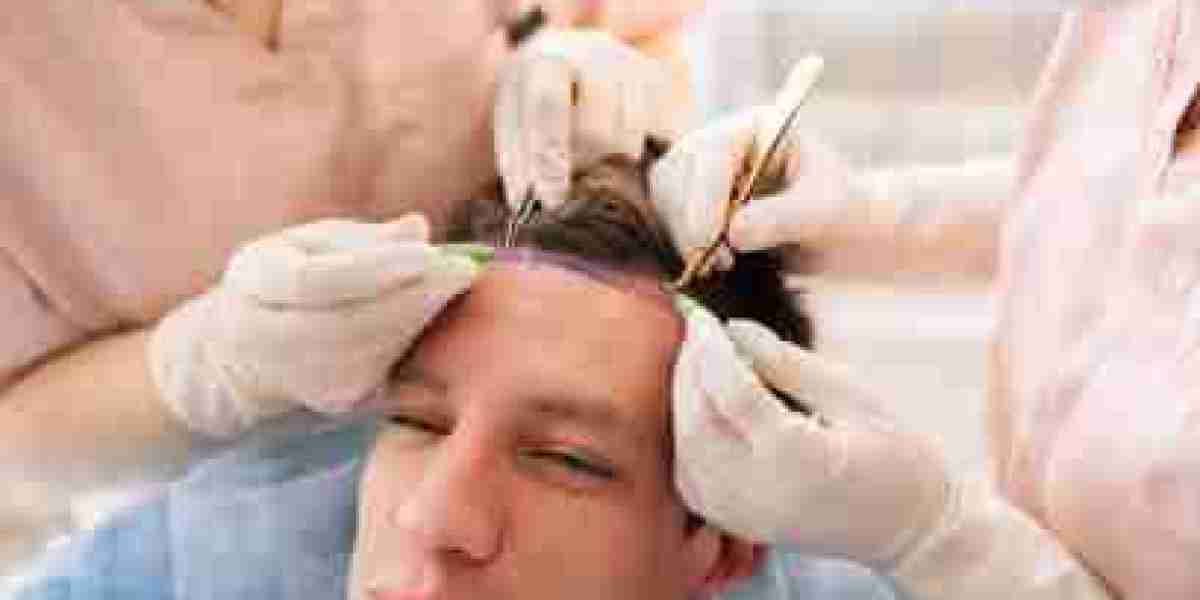

While the treatment itself is an important step toward restoring confidence and achieving fuller hair, the recovery period determines how effectively the transplanted follicles settle and grow. Riyadh’s climate and lifestyle can also influence the healing process, making it essential for patients to follow proper aftercare instructions to support successful results.
Many individuals considering a procedure often research saudi arabia hair transplant options to better understand what recovery looks like and how to maintain healthy hair growth. Knowing what to expect after the procedure can help reduce stress, improve comfort, and ensure patients make informed choices during the healing period. With the right recovery approach, patients can protect newly transplanted follicles and encourage natural-looking hair growth.
Understanding the First Few Days After a Hair Transplant
The first few days after a hair transplant are often the most sensitive stage of recovery. During this period, the scalp may feel tender, and slight redness or mild swelling can occur. This is a natural response as the scalp begins healing and the transplanted grafts settle into their new position.
Patients are generally advised to avoid touching or scratching the scalp, as this can disturb the newly placed follicles. Gentle care is essential because the grafts are still delicate during the early stages of recovery. Keeping the scalp protected from external irritation supports proper healing and minimizes unnecessary complications.
Protecting Your Scalp from Riyadh’s Climate
Avoid Direct Sun Exposure
Riyadh’s hot weather can be challenging for patients recovering from a hair transplant. Direct exposure to strong sunlight may irritate the scalp and negatively affect healing. Newly transplanted follicles are highly sensitive, making sun protection especially important in the first few weeks.
Wearing loose protective head coverings, when advised, can help shield the scalp without placing pressure on the treated area. Staying indoors during peak sunlight hours may also support a smoother recovery process.
Stay Hydrated for Better Healing
Hydration plays an important role in recovery after a hair transplant. The dry climate in Riyadh may contribute to dehydration, which can slow down the body’s natural healing process. Drinking enough water helps maintain scalp health and supports overall recovery by improving circulation and nourishment to the follicles.
Proper Hair Washing During Recovery
Follow Gentle Cleansing Practices
Hair washing is one of the most important aspects of post-transplant care. Patients are typically instructed to wait for a recommended period before washing the scalp. Once approved, cleansing should be done gently to avoid disturbing the grafts.
Instead of rubbing aggressively, careful washing techniques can help remove buildup and maintain scalp cleanliness. Keeping the area hygienic reduces the risk of irritation and creates a healthier environment for transplanted follicles to thrive.
Avoid Harsh Hair Products
Strong chemical-based shampoos or styling products should generally be avoided during recovery. Harsh ingredients may irritate the scalp or interfere with healing. Using mild, suitable hair care products can help maintain scalp comfort and protect the newly transplanted area.
Managing Physical Activities After the Procedure
Physical activity should be approached carefully after a hair transplant. Intense exercise, heavy lifting, and activities that cause excessive sweating may put unnecessary strain on the scalp during the recovery phase.
Sweating can increase irritation and may affect the healing environment around the grafts. Giving the body adequate rest during the initial recovery period helps improve comfort and supports healthy follicle growth.
Understanding Temporary Hair Shedding
Why Shedding Happens
One common concern among patients is temporary shedding after the procedure. This phase, often referred to as shock loss, is completely normal. The transplanted hair may shed before new growth begins, which can sometimes create unnecessary worry.
This temporary stage does not mean the treatment has failed. Instead, it is part of the natural cycle as follicles prepare to grow stronger and healthier hair over time.
Patience Is Key to Visible Results
Hair growth after transplantation takes time. Patients should understand that noticeable changes may appear gradually rather than immediately. Consistency in following aftercare instructions and maintaining realistic expectations often contributes to greater satisfaction with the final results.
Healthy Lifestyle Habits for Faster Recovery
Lifestyle choices can influence recovery and hair growth after transplantation. A balanced diet rich in nutrients supports stronger follicles and healthy healing. Getting enough sleep, avoiding smoking habits, and reducing stress may also contribute to improved recovery outcomes.
Creating healthy daily habits allows the body to focus on repair and supports the long-term success of the transplant.
FAQs
Q: How long does hair transplant recovery usually take?
A: Recovery timelines vary, but most patients notice the initial healing phase within a few weeks, while visible hair growth develops gradually over several months.
Q: Is scalp redness normal after a hair transplant?
A: Mild redness is common during the early recovery period and usually fades as the scalp heals naturally.
Q: Can I go outside after my hair transplant?
A: Yes, but protecting the scalp from direct sunlight and harsh environmental exposure is highly recommended during recovery.
Q: When can I wash my hair after the procedure?
A: Hair washing should only begin according to the recommended aftercare timeline provided after the procedure.
Q: Why does transplanted hair fall out after treatment?
A: Temporary shedding is a normal phase of recovery and usually occurs before healthier, permanent hair growth begins.
Consultation at Bold Enfield Royal Clinic
If you are considering a hair restoration journey and want proper guidance for recovery and aftercare, Enfield Royal Clinic offers professional support to help patients make informed decisions and achieve healthier-looking hair results. A consultation can provide personalized recommendations based on your unique hair goals and recovery expectations.