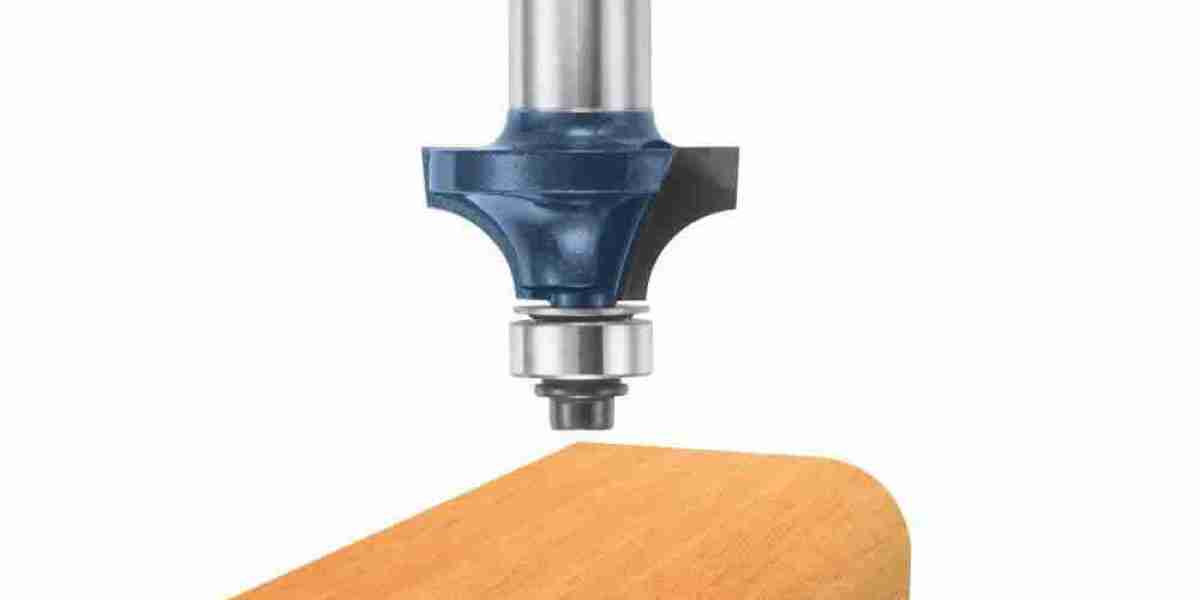

In woodworking environments where consistency and control are essential, the Wood Cutting Saw Blade from fangda-tools presents a balanced solution for daily cutting needs. Its design reflects careful consideration of cutting dynamics, enabling users to approach different tasks with steady handling and predictable results. Whether used for rough dimensioning or more refined trimming, it supports a smooth transition between various stages of a project.
The effectiveness of a saw blade begins with its tooth configuration. The arrangement, angle, and spacing of the teeth directly influence how the blade interacts with wood fibers. A well-structured pattern allows for efficient material removal while helping maintain a clean cutting path. This contributes to reducing surface irregularities and supports a more consistent finish, especially when working with boards that require minimal post-processing.
Material composition also plays a critical role in performance. A durable blade body combined with reinforced cutting edges helps maintain stability during operation. This stability is important when managing continuous cuts, as it reduces deviations and supports better alignment לאורך the cutting line. As a result, users can achieve more accurate outcomes without needing constant adjustments.
Adaptability is another valuable aspect in woodworking applications. Different types of wood present varying densities and grain structures, which can affect cutting behavior. A blade designed to accommodate these differences allows for smoother transitions between materials, whether handling softer timber or denser hardwood. This flexibility simplifies tool selection and contributes to a more efficient workflow.
User experience is closely tied to control and comfort during operation. A balanced blade helps reduce unnecessary vibration, allowing for more stable guidance of the cutting tool. This not only improves accuracy but also minimizes strain during extended use. When the tool responds predictably, users can focus more on the task itself rather than compensating for inconsistencies.
Maintenance practices further support long-term usability. Keeping the blade clean and properly stored helps preserve its cutting ability. Periodic inspection ensures that the blade remains in good condition, allowing it to continue performing as expected across multiple projects. With consistent care, it becomes a reliable component in any woodworking setup.
In practical terms, a saw blade is more than just a cutting accessory; it is a key factor in shaping the efficiency and quality of the entire process. A well-considered design supports both precision and adaptability, helping users navigate different tasks with confidence.
When your next woodworking idea begins to take form, consider stepping beyond routine choices. A visit to www.fangda-tools.com might offer a fresh perspective and guide you toward tools that complement your working style in subtle yet meaningful ways.