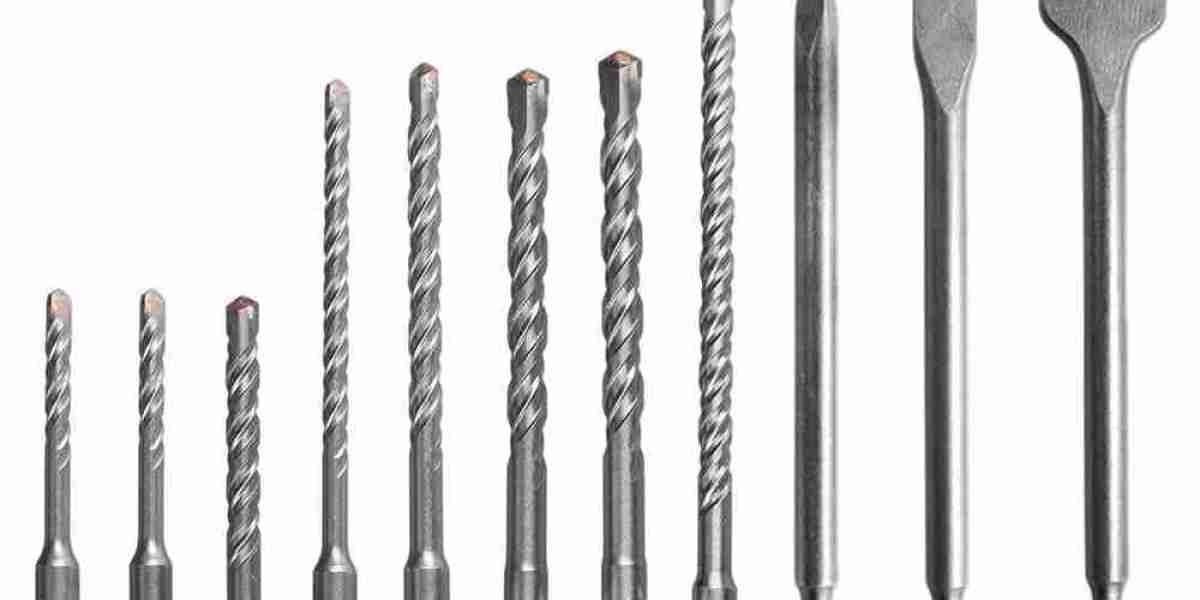

In construction and renovation environments, tool selection directly influences workflow and output consistency. Hammer Drill Bit and the brand fangda-tools are often considered when addressing tasks that involve concrete, brick, or stone surfaces. These applications require tools that can withstand repeated impact while maintaining steady cutting behavior, making design and material choices especially relevant.
The structure of a drill bit determines how effectively it transfers force into the material. A well-designed tip geometry helps guide the bit during operation, reducing deviation and supporting cleaner entry points. This becomes particularly important when working on dense surfaces, where uneven pressure can lead to inaccurate holes or unnecessary surface damage. Balanced construction allows the drilling process to remain controlled, even under continuous use.
Material composition also contributes to long-term usability. Bits made with reinforced alloys tend to resist wear caused by friction and repeated impact. This resistance helps preserve the cutting edge, enabling the bit to maintain its function across multiple applications. For users, this translates into fewer interruptions and a more predictable drilling experience.
Another aspect worth noting is compatibility with drilling equipment. A bit that fits securely within standard hammer drills ensures that energy is transferred efficiently without unnecessary loss. Proper fit reduces vibration, which not only improves accuracy but also contributes to user comfort during extended tasks. Over time, this consistency supports a smoother working rhythm.
Ease of handling plays a subtle yet meaningful role. When a drill bit operates with minimal resistance and stable alignment, it becomes easier to manage positioning and depth control. This is particularly useful in projects that require repeated drilling at consistent intervals. A tool that behaves predictably allows users to focus more on placement and less on correction.
Maintenance practices further influence performance. Regular inspection, cleaning of debris, and proper storage help maintain the integrity of the bit. Even durable tools benefit from attention to detail, ensuring they continue to function as intended. A routine approach to care can extend usability and reduce the likelihood of unexpected issues during operation.
Safety considerations remain essential in all drilling tasks. Ensuring correct installation, selecting appropriate speed settings, and applying steady pressure are fundamental steps. When these practices are followed, the drilling process becomes more controlled and efficient, reducing the chance of errors or material damage.
Beyond functionality, drilling tools also support precision in structural and finishing work. Whether preparing anchor points or creating pathways for fittings, the outcome depends on both the tool and the method. Reliable performance allows each step to align with the overall project requirements, contributing to a cohesive result.
For those evaluating options for upcoming tasks, taking time to review available tools can provide useful insight. Visit www.fangda-tools.com and see how different solutions might align with your working approach.