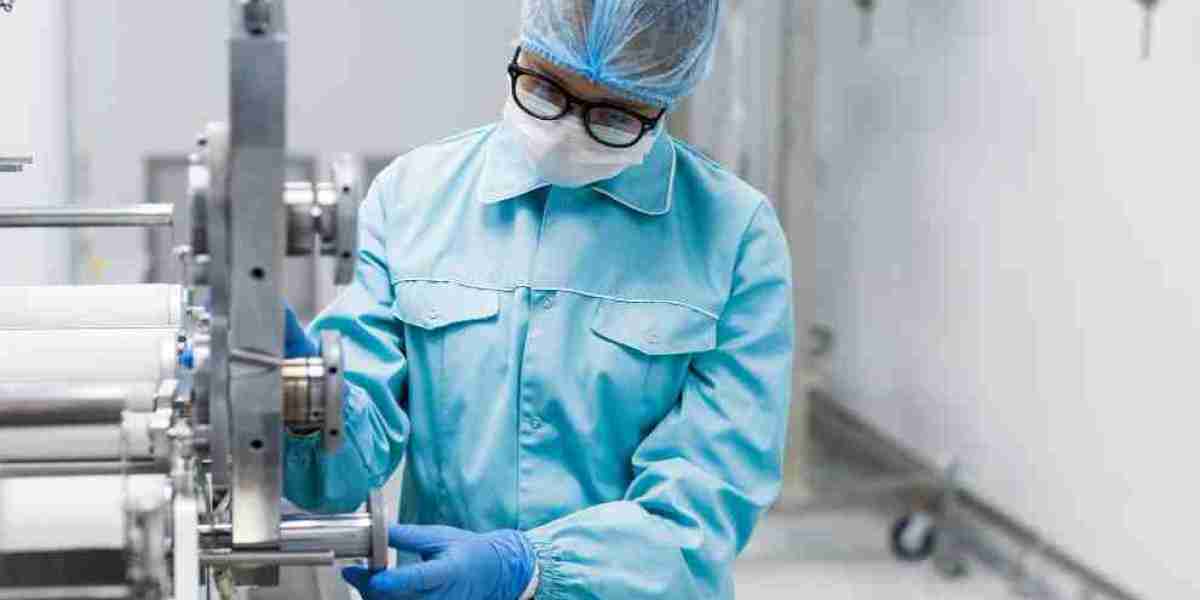

While much of the focus in surgical reprocessing is placed on high-profile equipment like endoscopes or orthopedic power tools, the meticulous care of accessory devices is equally vital for patient safety. Non-endoscope accessories, specifically light cables and trocars, present unique challenges due to their complex geometries and varying material compositions. These devices are frequently in direct contact with sterile tissue or body cavities, classifying them as "critical" items according to the Spaulding classification system. Any failure in the decontamination or sterilization of these accessories can lead to cross-contamination and surgical site infections. To manage these risks, healthcare facilities rely on highly skilled professionals who have mastered the nuances of medical device cycles.
Specialized Protocols for Fiber Optic Light Cables
Fiber optic light cables are among the most fragile components in the surgical suite, consisting of thousands of tiny glass fibers that can easily fracture if mishandled. During the reprocessing phase, these cables must be inspected not only for cleanliness but also for functional integrity. A light cable with broken fibers will not provide adequate illumination, potentially compromising the surgeon's view during a critical procedure. Technicians must avoid tight coiling or over-bending, which can cause internal damage. Furthermore, the connectors at each end of the cable often have recessed areas that can trap bioburden if not cleaned with specialized brushes.
Managing the Complexity of Laparoscopic Trocars
Laparoscopic trocars are essential for minimally invasive surgery, providing the port through which other instruments enter the body. However, their design—often involving valves, seals, and long cannulas—makes them notoriously difficult to clean. Residual tissue or blood can easily become trapped within the valve mechanism, leading to the formation of biofilm that resistant to standard sterilization methods.
Manual pre-cleaning with specialized long-reach brushes is non-negotiable for these devices. Technicians must be trained to disassemble the trocars as far as the manufacturer allows to ensure that every internal surface is exposed to the cleaning agent. The level of detail required to safely reprocess these ports is a major focus of a sterile processing technician course, where students learn how to navigate the intricate internal lumens that cannot be seen with the naked eye.
Decontamination and Chemical Compatibility
Selecting the appropriate cleaning chemistry is a critical step in the reprocessing of non-endoscope accessories. Because light cables and trocars are made from a mix of stainless steel, polymers, and glass, they are susceptible to damage from harsh chemicals or incorrect pH levels. For instance, some enzymatic cleaners can degrade the medical-grade adhesives used in light cable assemblies if the immersion time exceeds the recommended limit. Similarly, certain lubricants used for trocar valves must be water-soluble and compatible with the subsequent sterilization method, such as steam or low-temperature hydrogen peroxide gas plasma.
Inspection and Functional Testing Post-Reprocessing
The reprocessing cycle does not end with cleaning; inspection and functional testing are mandatory before any accessory is packaged for sterilization. For light cables, this involves the "black dot" test, where one end of the cable is held up to a light source to check for broken fibers. For trocars, it involves checking the integrity of the seals and the smooth operation of the stopcocks. If an accessory shows signs of wear, corrosion, or pitting, it must be removed from service immediately to prevent a mid-procedure failure. This stage of the process requires a keen eye for detail and a disciplined approach to quality control.
Documentation and Regulatory Compliance
In the modern healthcare environment, every step of the reprocessing cycle must be documented to provide a clear audit trail. This is particularly important for accessory devices that may be reprocessed multiple times a week. Documentation should include the method of cleaning, the technician involved, the sterilization cycle parameters, and the results of biological and chemical indicators. In the event of a surgical site infection investigation, these records are the facility's first line of defense.