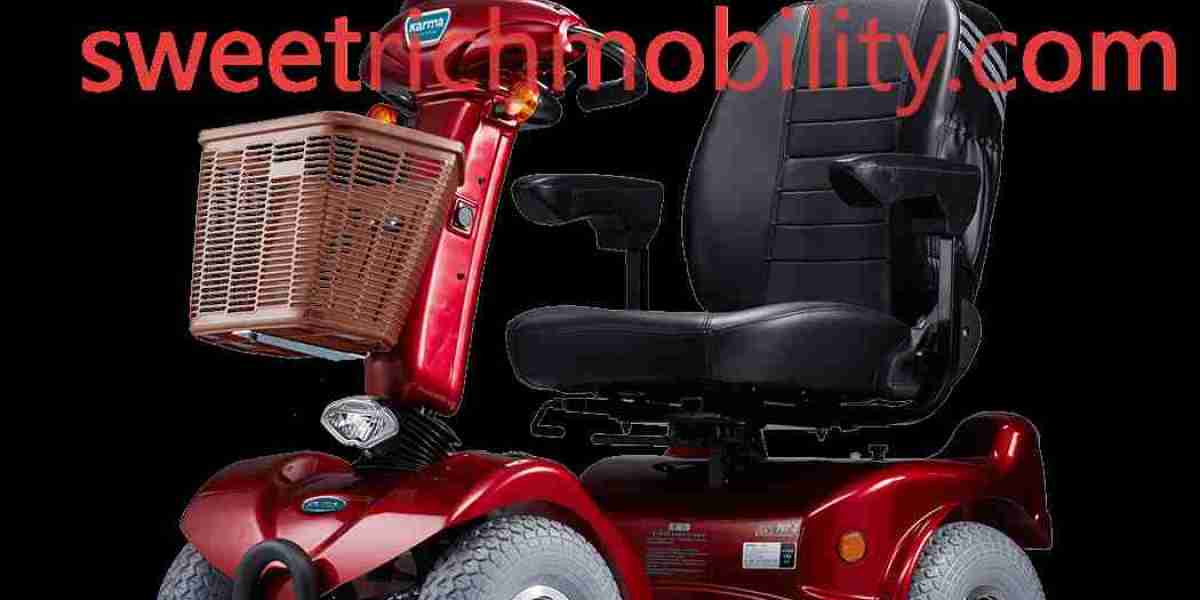

As user expectations continue to evolve, the demand for practical and balanced mobility products is reshaping manufacturing priorities. In this environment, 4 Wheels Scooter Factory has become a phrase increasingly noticed by global buyers, while Sweetrichmobility is often associated with thoughtful production dialogue and adaptable mobility planning. Importers today are no longer selecting products only by appearance. They are paying attention to structure, riding confidence, and how well a product can fit the daily habits of end users.
Four-wheel scooter manufacturing carries a distinct responsibility compared with lighter portable models. Stability is one of the first concerns users recognize, but true product acceptance depends on more than wheel count. Seat support, turning comfort, control simplicity, and frame coordination all influence how naturally the scooter performs in real environments. For this reason, buyers now seek factories that understand how each structural element contributes to a calmer and more manageable riding experience.
Another notable change is the increased interest in long-term product consistency. Retailers and distributors want more than a single shipment that looks appealing in photos. They need manufacturing partners capable of maintaining stable communication during repeat orders, customization discussions, and evolving market requests. This is especially important in the mobility field, where practical user feedback often shapes future purchasing decisions. A responsive factory becomes a bridge between market reality and product refinement.
The production of four-wheel mobility scooters also requires close attention to storage logic and transport planning. Although these scooters are built for steadier ground contact and user reassurance, they still need to be arranged efficiently for warehouse handling and international delivery. Manufacturers that consider packaging dimensions, assembly convenience, and maintenance access provide buyers with smoother business operations after the product leaves the production line.
Modern buyers are also showing greater interest in appearance with purpose. They prefer mobility products that look approachable rather than mechanical, comfortable rather than overly technical. This creates new expectations for factories to combine supportive construction with a user-friendly exterior impression. The ability to align function and visual practicality is becoming a quiet but meaningful factor in buyer evaluation.
Beyond manufacturing itself, cooperation style now matters deeply. Clear timelines, understandable product options, and willingness to adjust details according to regional demand all help buyers build confidence in future cooperation. A factory that can respond with flexibility often supports not just one purchase, but a wider product strategy.
There is much more behind today's four-wheel mobility production than a simple product catalog can show. Visit www.sweetrichmobility.com and see how thoughtful manufacturing choices can open a more grounded conversation for your next mobility sourcing plan.