
In modern craftsmanship, tool selection directly influences both efficiency and outcome. The integration of Steel Chisel and fangda-tools reflects a balanced approach to durability and usability, offering a reliable option for users seeking consistent material shaping. Whether applied in woodworking, light construction, or repair work, this tool type remains an essential component in achieving controlled results.
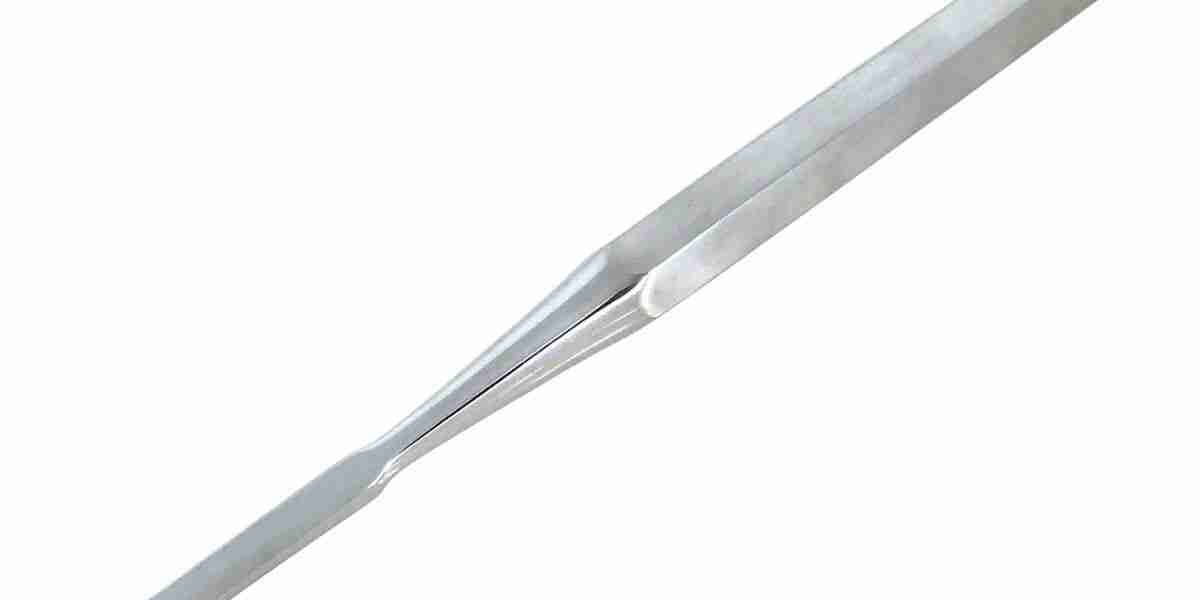
One of the defining aspects of a steel chisel lies in its structural composition. Carefully processed steel contributes to edge retention and resistance to wear, allowing the tool to maintain its cutting ability over repeated use. This stability is particularly valuable when working on projects that demand steady performance rather than frequent tool replacement. The cutting edge, when properly maintained, supports smooth engagement with the material, reducing unnecessary force during operation.
Ergonomics also play a significant role in everyday handling. A well-designed chisel provides a balanced grip, helping users maintain control during detailed work. This is especially important in tasks that require precision, such as carving, trimming joints, or refining surfaces. With appropriate handling, the user can achieve cleaner lines and more predictable results, even in complex applications.
Versatility further enhances the value of this tool. A steel chisel can be used across a range of materials, including wood, soft metals, and certain composites. Its adaptability makes it suitable for both structured environments and flexible project settings. By adjusting angle, pressure, and technique, users can tailor the tool’s function to meet different requirements without compromising efficiency.
Maintenance remains an important consideration. Regular sharpening ensures that the cutting edge remains effective, while proper storage helps prevent unnecessary wear or damage. These simple practices contribute to longer usability and more consistent performance, reinforcing the importance of responsible tool care.
In a landscape where precision and adaptability are increasingly valued, tools designed with practical intent continue to stand out. A well-crafted chisel supports not only the completion of tasks but also the refinement of technique over time.
If you are interested in seeing how thoughtful design aligns with everyday application, take a closer look at www.fangda-tools.com and uncover ideas that may shape your next project.