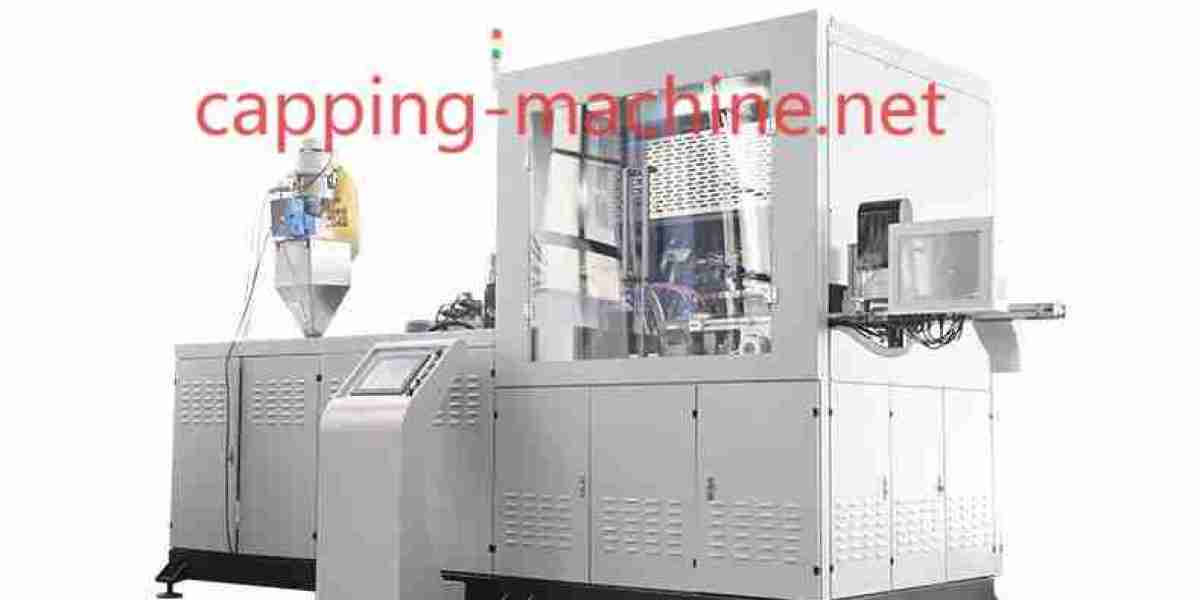

As the vacuum filler market continues its upward trajectory, a clear picture of its growth forecast emerges. Currently valued at $1.53 billion, it is projected to reach nearly $2.5 billion by 2035, reflecting a compound annual growth rate (CAGR) of 4.17%. This growth is underpinned by rising demand for processed foods and the rapid adoption of innovative technologies. Manufacturers are increasingly focusing on sustainability and customization, signaling a transformative shift within the industry.
This evolving landscape presents a myriad of opportunities for stakeholders looking to capitalize on market trends. With the food processing sector driving a considerable portion of this growth, investment in advanced vacuum filling solutions is becoming essential for companies aiming to secure their market position.
Major companies driving growth in the vacuum filler market include industry stalwarts like Hogarth (DE), Vemag (DE), and Handtmann (DE). These players are pivotal in shaping the competitive landscape, continually innovating to meet both regulatory demands and consumer preferences. Their strategic initiatives are not only improving production efficiencies but are also fostering a culture of sustainability that resonates well with today's eco-conscious consumers. As recent trends indicate, the deployment of automation and smart technologies is revolutionizing production lines, setting the stage for enhanced market dynamics. The development of vacuum filler market growth forecast continues to influence strategic direction within the sector.
Several market dynamics are fueling the growth of the vacuum filler industry. The increasing inclination towards processed foods is a primary driver, particularly within the meat processing segment. As consumer preferences evolve towards convenience, manufacturers are investing in sophisticated vacuum filling technologies to enhance their offerings. This focus on innovation is critical in sustaining a competitive advantage in an ever-changing marketplace.
Moreover, sustainability continues to reshape market dynamics. With increasing regulatory pressures and consumer demand for greener practices, vacuum filler manufacturers are pivoting towards eco-friendly solutions. This strategic shift not only addresses environmental concerns but also creates significant investment opportunities, positioning companies favorably for future growth. The development of Vacuum Filler Market continues to influence strategic direction within the sector.
Regionally, North America is poised to maintain its dominance in the vacuum filler market, driven by robust manufacturing capabilities and a high demand for processed food products. The market size in this region is substantial, thanks in part to the presence of leading companies committed to innovation. Conversely, the Asia-Pacific region is experiencing rapid growth, fueled by urbanization and changing dietary habits. Nations like China and India are emerging as key markets, with rising consumer demand for processed foods prompting manufacturers to enhance their market strategies.
The landscape of investment opportunities within the vacuum filler market is expanding, particularly for those companies willing to adapt to technological advancements and shifting consumer preferences. The increasing demand for customization in food processing is generating interest in versatile vacuum fillers capable of handling a wide array of products.
Additionally, the growing focus on sustainable production practices is compelling manufacturers to invest in innovative eco-friendly solutions. As such, this evolution signals a critical shift in market dynamics where adaptability and forward-thinking strategies will be essential for capturing new market share. According to Market Research Future, the anticipated demand for processed foods is projected to create substantial growth opportunities in the vacuum filler market.
A recent report indicates that the global processed food market is expected to reach a valuation of approximately $3.5 trillion by 2027, with a CAGR of 5.3%. This surge in processed food consumption directly correlates with the rising need for vacuum filling technologies, as manufacturers seek to meet the growing demand for convenience and quality. For instance, companies that have implemented advanced vacuum fillers have reported efficiency improvements of up to 30%, significantly reducing production time and waste. This efficiency not only meets consumer expectations but aligns with sustainability goals, as less waste means a lower environmental footprint.
As we look towards the future, significant developments are expected in the vacuum filler market, driven by ongoing technological innovation and evolving consumer behaviors. By 2035, the market is projected to reach a size of approximately $2.498 billion, suggesting that stakeholders need to prepare for strategic shifts in operations to align with these trends.
Experts indicate that continuous investment in research and development will be vital for companies aiming to stay competitive in this landscape. As the market evolves, those who leverage new technologies and sustainable practices will be best positioned for success, offering a promising future outlook for the vacuum filler market.