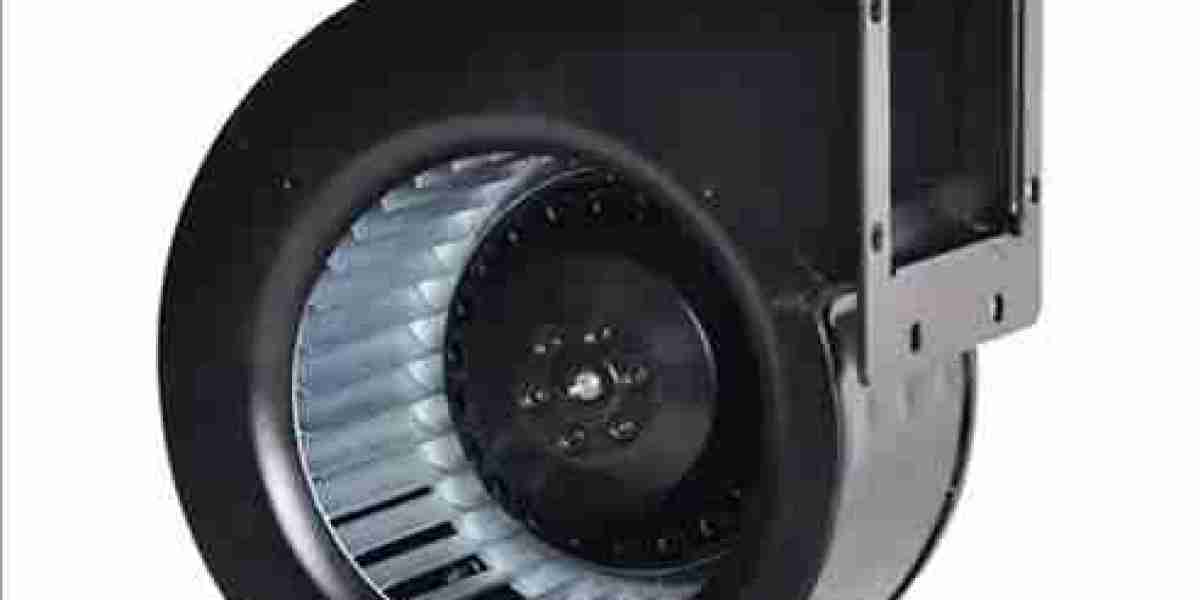

A Qinlang Multi Stage Centrifugal Fan relies on impeller geometry to transform rotational motion into steady airflow. Each blade is shaped to channel air efficiently, maintaining consistent velocity while gradually increasing pressure. The sequence of stages ensures that energy is applied progressively rather than forcing air through a single intense stage, which reduces strain on both the fan and connected systems.
Impeller design is more than just the number of blades. Factors such as curvature, spacing, and tip clearance influence both the pressure generated and the efficiency of airflow transfer. By carefully refining these elements, designers ensure that each stage contributes evenly to the overall performance. This attention to detail also helps limit vibration and imbalance, which can otherwise lead to wear or noise issues.
Energy consumption is closely related to impeller performance. When air is moved efficiently through the system, less power is required from the motor to achieve the desired pressure. Gradual increases through multiple stages reduce spikes in resistance and allow the motor to operate under more consistent load conditions. Over time, this stability supports operational efficiency while reducing mechanical stress on fan components.
Material selection also intersects with energy considerations. Lightweight yet strong metals or composites for impellers reduce rotational inertia, allowing the motor to drive the system with less effort. Bearings that minimize friction further contribute to energy savings, while maintaining alignment ensures that energy is not lost due to turbulent flow or vibration.
Operational control can enhance efficiency as well. Variable speed drives, when paired with carefully balanced impellers, allow airflow to be adjusted without sacrificing stability. This adaptability helps match output to changing system needs, preventing unnecessary energy consumption during periods of reduced demand.
Installation and integration are practical considerations that influence long-term energy performance. Fans that fit smoothly into existing ductwork maintain optimal airflow patterns. Misalignment, obstructions, or inadequate support structures can generate losses that diminish the advantages of carefully designed impellers.
Noise control also contributes indirectly to energy efficiency. Reduced turbulence and smoother airflow decrease resistance, which allows motors to operate at a steadier pace. This reduces heat buildup and preserves component life, ensuring the fan continues to perform effectively without excessive power use.
Qinlang has focused on combining impeller geometry, stage arrangement, and material selection to develop Multi Stage Centrifugal Fans that balance airflow efficiency with energy-conscious operation. Their products reflect a careful approach to both design and practical deployment.
To learn more about these fans and explore technical details, visit https://www.qinlangfan.com/news/industry-news/multi-stage-centrifugal-fan-everything-you-need-to-know.html