
In the demanding world of metal fabrication, selecting the proper filler material is a foundational step for any structural project. While many industrial sectors rely on traditional alloys, the growing transition toward lightweight and corrosion resistant materials has placed a significant focus on how professional Wholesale Aluminum MIG Wire Manufacturers develop products that meet modern engineering standards. These specialized wires are designed to melt and fuse with various base metals, creating a bond that must handle high levels of mechanical stress while maintaining a clean and uniform appearance.
Understanding the specific properties of a filler metal is essential for maintaining the metallurgical integrity of the joint. Aluminum is unique because of its high thermal conductivity and low melting point, which makes it far more sensitive to heat than common steel. If the incorrect wire is chosen, the resulting connection might suffer from internal porosity or surface cracking, which can compromise the safety of the entire structure. Professional developers focus on ensuring that the surface condition of the wire is free from contaminants like oil or moisture, as these impurities are the leading cause of defects in a finished weld.
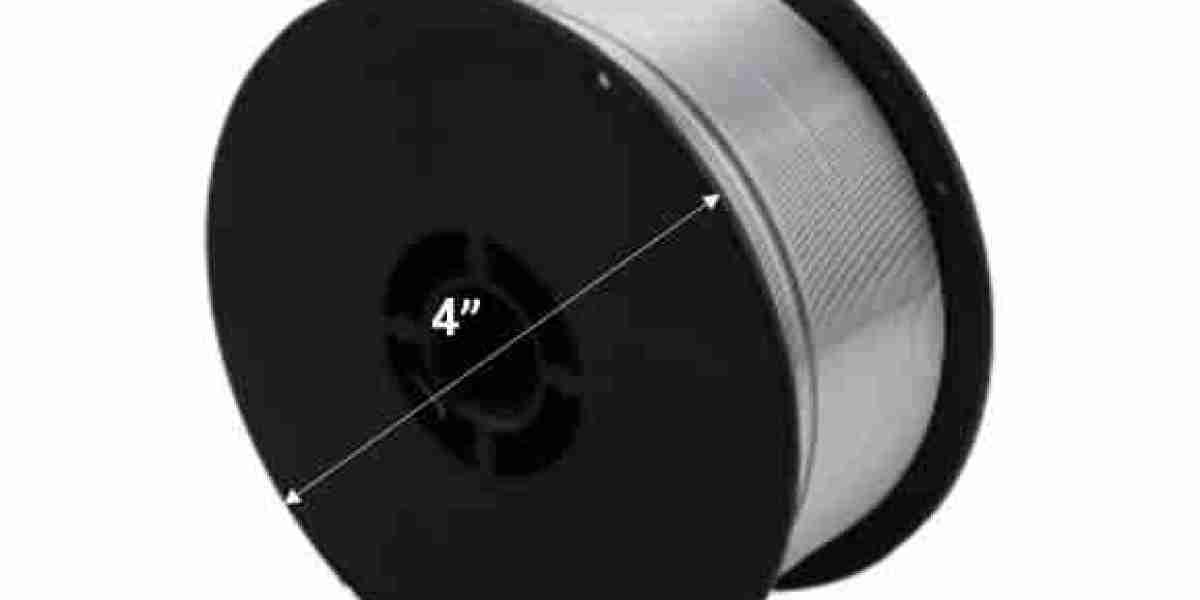
The selection of wire diameter is a critical decision that directly impacts the geometric stability of the welding wire and the overall repeatability of the process. For thinner materials, a smaller diameter is often necessary to prevent burning through the base metal. Conversely, thicker sections require a larger diameter that can carry the higher current needed for deep penetration. When the wire diameter is perfectly matched to the thickness of the project, the arc remains stable and the operator can maintain a consistent travel speed. This level of control is what allows welding engineers to create standardized procedures that result in the same high quality bond every single time.
A primary goal for any process developer is to ensure the stability of the welding process over long production cycles. This requires a wire that feeds smoothly through the equipment without tangling or scratching. If the wire diameter is inconsistent or if the surface is rough, it can cause friction within the liner, leading to erratic arc behavior and a lack of fusion. By prioritizing a wire that maintains its physical shape and condition, companies can reduce the amount of rework needed and keep their production lines moving without interruption. This reliability is the backbone of successful manufacturing in sectors ranging from transport to energy.
Beyond the technical settings of the machine, the environment where the work takes place must also be considered. Because aluminum is highly reactive to oxygen, a steady flow of shielding gas is required to protect the molten puddle. The diameter of the wire influences how much of this gas is needed to provide full coverage. When all these factors are in balance, the technician can achieve a wide and flat bead that integrates seamlessly with the surrounding material. This focus on the finer details of the process is what separates a standard build from one that will last for decades in harsh conditions.
The shift toward more sustainable infrastructure has further increased the reliance on these lightweight joining solutions. Whether building frames for electric vehicles or panels for a modern high rise, the integrity of the weld is what holds the vision together. The industry continues to evolve, with new formulations of filler metals emerging to meet the needs of more complex alloys. Keeping up with these changes requires a deep understanding of the relationship between the material, the equipment, and the final application. Every project starts with a solid foundation of material science and a dedication to testing and refining every parameter.
Providing specialized solutions and technical support ensures that every project benefits from the latest advancements in wire technology. By focusing on the inherent benefits of the braiding technique and the specific advantages of aluminum, designers can create more robust and efficient systems. Accessing these materials through reputable sources ensures that every project benefits from the latest advancements in wire technology. You can find specialized solutions and technical support for your upcoming projects by visiting https://kunliwelding.psce.pw/8p6qbl where a wide range of components is available to support your fabrication needs and ensure the success of your project through precise material selection.