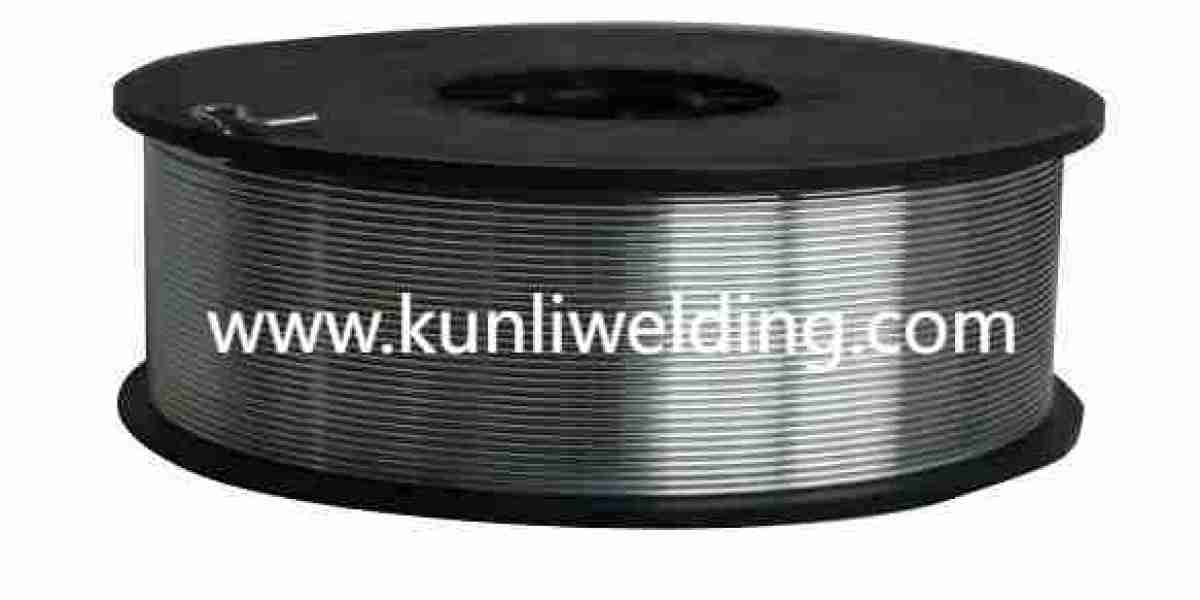

Manufacturing and construction sectors are undergoing significant transitions as the demand for lighter and more durable materials increases. Engineers often look for ways to improve the efficiency of their projects without compromising the safety or longevity of the final structure. One of the advanced tools available for these tasks is Aluminum Welding Wire ER4943 , which has gained traction for its unique ability to provide higher strength in the as welded condition compared to traditional options. This material is specifically designed to address common issues like solidification cracking while offering a fluid weld pool that simplifies the joining process for technicians.
The composition of this specific alloy allows for a versatile application across various temperature ranges and stress levels. Unlike older generations of filler metals, this wire incorporates elements that enhance the flow and wetting of the molten metal. This means that operators can achieve a cleaner finish with less effort, reducing the need for extensive post weld cleanup or grinding. By utilizing Aluminum Welding Wire ER4943, fabrication shops can see a noticeable improvement in the consistency of their output, which is vital for maintaining a competitive edge in today's fast paced industrial environment.
When considering the technical side of the joining process, the choice of equipment and technique plays a significant part in the success of the project. Generally, the gas tungsten arc method is highly recommended for this specific alloy. This process allows for precise control over the heat input and the bead shape, ensuring that the additive material integrates smoothly with the base metal. For larger projects where speed is a priority, gas metal arc welding is also a viable path. This method provides a steady feed of the wire, allowing for longer continuous joints that are necessary in the production of transport frames or large storage containers.
Proper preparation of the metal surface is another critical factor that should not be overlooked. Removing oxides and contaminants ensures that the arc remains stable and that the fusion is deep and complete. Many professionals prefer this filler because it requires less dilution from the base metal to reach its intended strength. This characteristic is particularly beneficial when working with thin sections or complex geometries where heat management is difficult. The resulting joints are robust and capable of withstanding significant mechanical loads over time.
Sustainability and efficiency are now central themes in global industry. By moving toward materials that allow for thinner walls and lighter overall weights, companies can reduce their carbon footprint and lower energy consumption during transportation. The use of advanced aluminum alloys supports these goals by providing a high strength to weight ratio. As more sectors adopt these modern materials, the reliance on specialized filler wires will only continue to grow. It is a practical shift that aligns with the broader movement toward smarter and more responsible manufacturing practices.
Selecting the right supplies is the foundation of any successful engineering feat. Whether building a bridge, a vehicle, or an architectural feature, the quality of the bond determines the lifespan of the structure. Those who prioritize reliable and tested materials find that their work requires fewer repairs and maintains its integrity under varied environmental conditions. For those interested in acquiring high quality welding consumables and gaining further technical insights into these processes, a wealth of resources can be found at https://kunliwelding.psce.pw/8p6qax to support your professional needs.