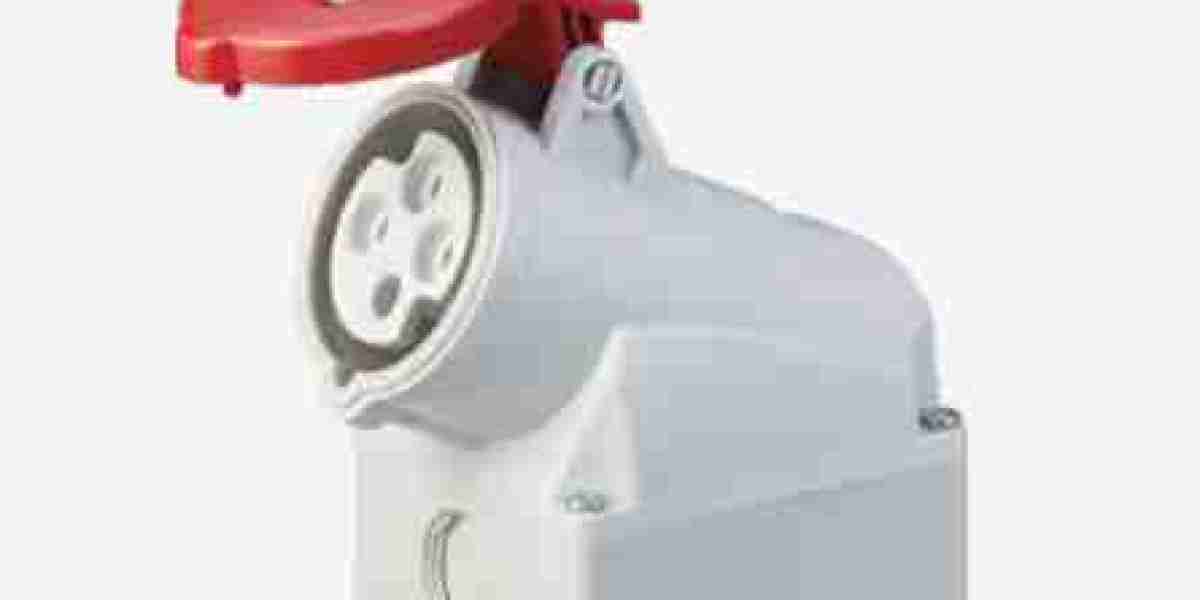

In many industrial applications, the Waterproof Industrial Plug and Socket provides reliable power connections in environments exposed to moisture and dust. These components play a key role in equipment setups, yet water ingress still occurs in some cases due to common installation or usage errors. Understanding these mistakes helps facility teams avoid repeated issues and maintain consistent performance over time.
One frequent error involves incomplete insertion of the plug into the socket. When the connection does not seat fully, small gaps remain that allow moisture to enter during operation or cleaning. Operators sometimes apply force incorrectly or stop too early, leaving the seal ineffective against water exposure. This simple oversight appears often in busy workshops with frequent connections.
Another common mistake relates to damaged or worn sealing elements. Over repeated use, the rubber gaskets or O-rings can develop cracks, lose flexibility, or become compressed. Without regular checks, these changes go unnoticed until water begins to appear inside the connection area. Aging components that have passed their normal service life contribute significantly to this problem.
Improper cable entry also leads to water ingress in many setups. When the cable gland or strain relief is not tightened correctly, water can travel along the cable jacket and reach the interior of the plug or socket. Loose glands create direct pathways for moisture, especially in outdoor or wash-down areas where water pressure is present during routine cleaning.
Incorrect orientation during installation represents another frequent issue. Mounting the socket in a position that allows water to pool or flow directly toward the connection point reduces the effectiveness of the protective design. Vertical upward-facing installations without proper drainage or covers increase the chance of accumulation around the seals.
Failure to clean the mating surfaces before connection is a widespread error. Dust, dirt, or residue left on the plug or socket prevents proper sealing and creates microscopic channels for water entry. In environments with high particulate levels, this buildup accumulates quickly and compromises the integrity of the joint even when the plug appears fully inserted.
Using mismatched or incompatible plug and socket pairs causes additional problems. Slight differences in dimensions or sealing profiles prevent a complete seal, allowing moisture to penetrate over time. Teams sometimes mix components from different series without verifying compatibility, leading to gradual water-related issues that develop during normal operation.
Environmental factors combined with these errors accelerate the process. Frequent pressure washing, exposure to chemicals, or temperature cycling can worsen the effects of improper installation. What starts as minor seepage can progress to more noticeable water presence inside the housing if the root causes remain unaddressed.
Regular visual inspections help identify these errors before they result in water ingress. Checking for full engagement, seal condition, cable gland tightness, and surface cleanliness provides early indications of potential problems. Documentation of inspection findings supports tracking of component condition across the facility.
Corrective actions focus on addressing each mistake systematically. Ensuring full insertion with a secure locking mechanism, replacing worn seals according to usage cycles, tightening cable glands properly, and maintaining clean contact surfaces all contribute to better moisture protection. Following manufacturer guidelines for installation orientation further reduces risk in exposed locations.
Scheduled maintenance offers a good opportunity to review all Waterproof Industrial Plug and Socket units in the system. Incorporating seal and connection checks into broader equipment reviews helps catch issues early and supports longer service intervals when practices are followed correctly.
By recognizing and avoiding these common errors, facility teams can achieve more reliable performance from their waterproof connections. Consistent attention to installation details and routine care reduces water-related interruptions and supports smoother daily operations in challenging environments.For a range of industrial plug and socket solutions along with practical installation guidance, visit https://www.socketsfe.com/