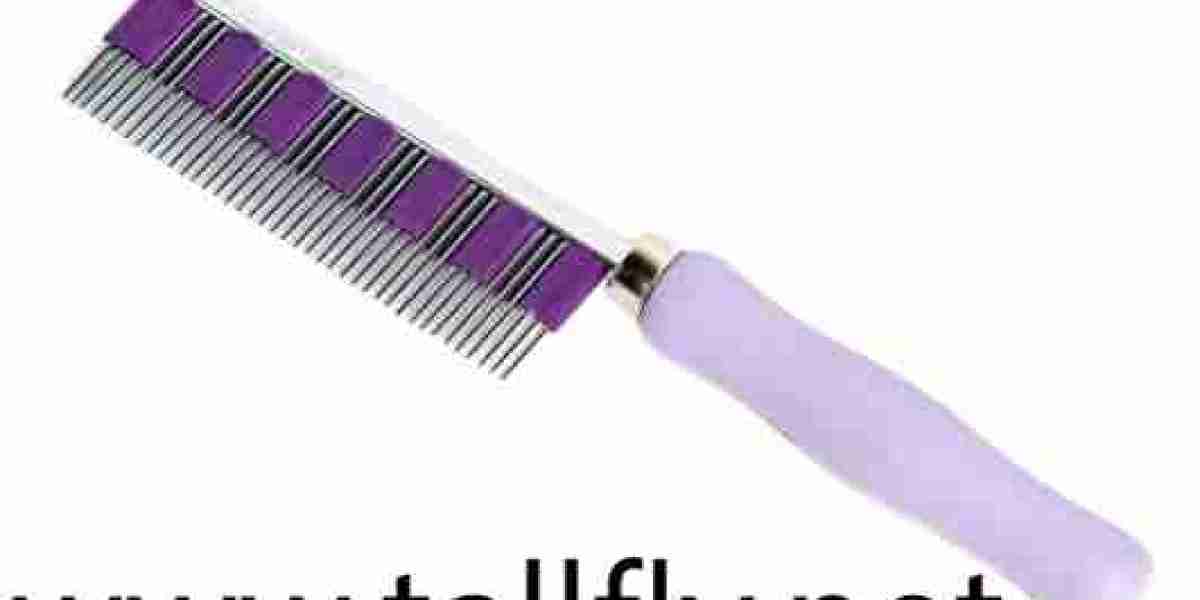
Grooming implements for pets encompass various designs targeting specific coat characteristics and maintenance goals. Understanding what constitutes a Pet Brush and recognizing which tool serves particular purposes helps owners of double coated breeds manage their companions' unique fur structure effectively. Working with a specialized Pet Brush Manufacturer provides access to both rake and slicker options, but knowing when each tool delivers superior results prevents the common mistake of using inappropriate implements that produce disappointing outcomes or create discomfort.
Double coated breeds possess two distinct fur layers serving different functions. The dense, soft undercoat provides insulation and temperature regulation, while the longer, coarser guard hairs form a protective outer layer that sheds water and debris. This structure requires different grooming approaches depending on whether you address surface maintenance, deep undercoat management, or finishing work after bathing or deshedding sessions.
Rake brushes feature widely spaced teeth of substantial length designed specifically to penetrate through guard hairs and reach the dense undercoat beneath. The tool's primary function involves extracting loose undercoat that has released from follicles but remains trapped within the coat structure. This dead undercoat, if left unremoved, creates mats, prevents air circulation to skin, and eventually sheds throughout your living spaces. Rakes excel during heavy shedding seasons when undercoat releases in substantial volumes requiring aggressive extraction.
The appropriate timing for rake use centers on undercoat management needs rather than daily maintenance. During seasonal coat changes, typically spring and fall, double coated breeds shed their undercoats dramatically as they adjust insulation levels for changing temperatures. Daily raking during these intense periods captures loose undercoat before it disperses, dramatically reducing household shedding. Between seasonal transitions, weekly or biweekly raking maintains reasonable undercoat control without the daily commitment peak shedding demands.
Slicker brushes feature fine, bent wire pins set densely on flat or slightly curved pads. These tools address surface coat maintenance, removing loose guard hairs, working through minor tangles, and smoothing the topcoat after deeper grooming with other implements. The fine pins cannot penetrate deeply enough to address undercoat effectively but excel at finishing work that leaves the coat looking polished and lying properly.
Using slickers makes sense after bathing when the coat needs smoothing and drying assistance. The fine pins help separate wet hair, speeding drying time while preventing the clumping that creates tangles in drying coats. Slicker work after rake sessions removes the loosened guard hairs that raking disturbs without fully extracting. This combination approach addresses both coat layers appropriately through tools designed for their specific structures.
Daily or every other day slicker brushing maintains surface coat appearance between deeper grooming sessions. This regular light maintenance removes environmental debris, distributes natural oils, and keeps guard hairs lying smoothly without the intensive work undercoat raking requires. The gentler action suits routine maintenance that keeps pets looking tidy without the sustained effort deep undercoat work demands.
Sequential tool use produces comprehensive results that single tool approaches cannot achieve. Starting with a rake during heavy shedding extracts loose undercoat efficiently. Following with a slicker smooths and finishes the disturbed guard hairs, restoring the coat's polished appearance. This layered approach respects each tool's strengths rather than forcing single implements to address tasks they handle poorly.
Body area considerations influence tool selection beyond just coat maintenance phase. Sensitive areas like legs, face, and tail may tolerate slickers better than rakes due to the finer, gentler pin action. Dense body areas with substantial undercoat benefit from rake penetration that slickers cannot provide. Adapting tool choice to specific regions optimizes both results and comfort.
Individual coat density variations among double coated breeds affect which tool proves more valuable. Breeds with particularly thick undercoats require more aggressive raking during shedding seasons, while those with moderate undercoat might maintain adequate control through predominantly slicker use with occasional raking.
A Pet Brush selected based on your current grooming objective whether deep undercoat extraction or surface smoothing delivers better results than random tool application hoping for comprehensive improvement. For grooming implements designed specifically for double coated breed needs, including both undercoat rakes and finishing slickers suited to layered coat structures, visit https://www.tallfly.net/product/ to review tools addressing each coat layer appropriately.