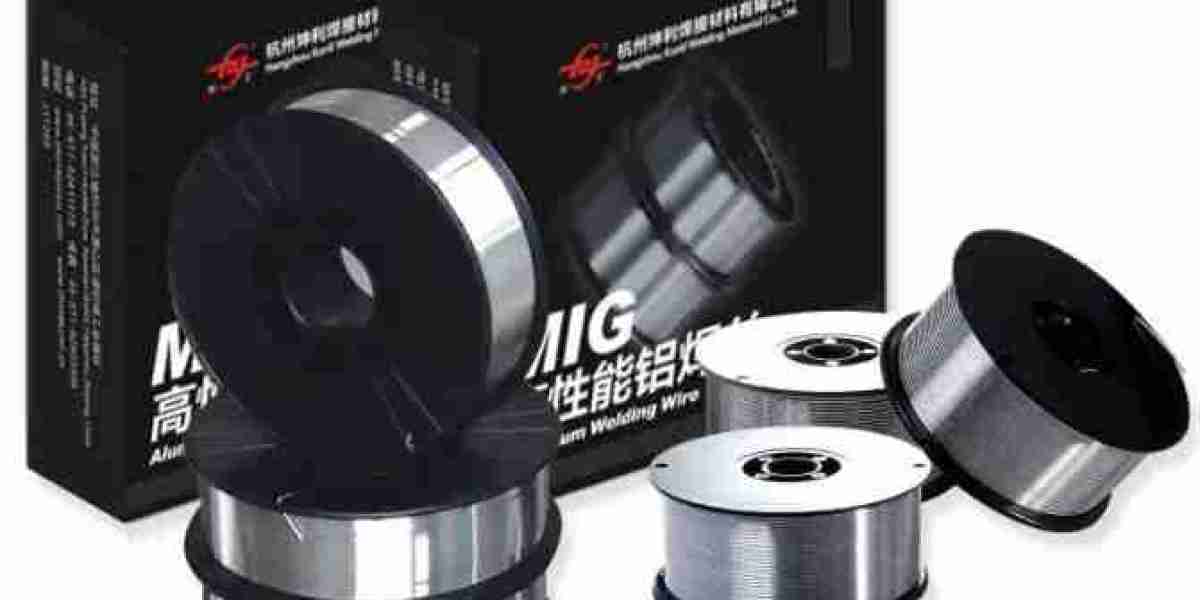

Aluminum Welding Wire ER5087 finds application across various aluminum fabrication settings that call for steady joint performance under combined mechanical and environmental loads. This filler material is mainly used for joining high-magnesium aluminum alloys in shipbuilding, transportation equipment, and offshore energy projects, where structures face salt exposure and repeated stress cycles. Fabricators select it when welds need to support forming operations after deposition and maintain integrity in humid or marine atmospheres.
The wire chemistry centers on an aluminum-magnesium base with controlled additions that promote a finer grain structure during solidification. These adjustments help the weld metal respond in a measured way to bending and forming steps common in assembly lines for ship hulls or vehicle frames. In ship structures, the material joins plates and frames that form the backbone of vessels operating in corrosive seawater conditions. Offshore platforms and floating energy installations rely on similar connections for subframes and support components, where repair access remains limited and service life depends on consistent weld behavior.
Transportation applications extend to lightweight panels and structural frames in rail cars and automotive assemblies. Here, the wire supports welding sequences that precede bending or shaping, allowing parts to fit together without distortion that could affect overall alignment. The deposited weld shows stability in the bead profile when standard shop parameters stay in place, which reduces variability during production runs. Engineers in these fields note the wire’s role in projects that balance weight reduction with the need for joints that handle vibration and load changes over time.
In practice, operators use the wire with standard MIG or TIG setups in workshops focused on aluminum components. The feedability remains steady across spool lengths, aiding long production shifts without frequent interruptions. For cryogenic tanks and pressure vessel work tied to energy sectors, the filler contributes to joints that retain ductility after cooling and exposure to temperature shifts. Fabricators appreciate how the microstructure limits pathways for crack initiation under tension, supporting assemblies that undergo pressure testing or cyclic loading.
Additional uses appear in repair work on marine equipment and custom transportation fixtures. The wire suits situations where existing aluminum parts require reinforcement without introducing mismatch in expansion rates. Its response to corrosive atmospheres stems from the way precipitates distribute evenly, which helps contain localized attack in salt-laden air or spray. Production teams integrate it into processes that emphasize repeatability, from initial joint preparation to final inspection.
Throughout these sectors, the focus stays on matching the filler to the base alloy series that contain magnesium levels up to five percent. This alignment yields welds that integrate well during multi-pass operations and deliver predictable results in both manual and automated welding stations. Suppliers like Kunliwelding provide the wire in forms that match common diameters and spool sizes, allowing seamless adoption into existing inventories.For details on specifications, available diameters, and guidance on matching this wire to specific aluminum joining tasks, visit https://www.kunliwelding.com/.