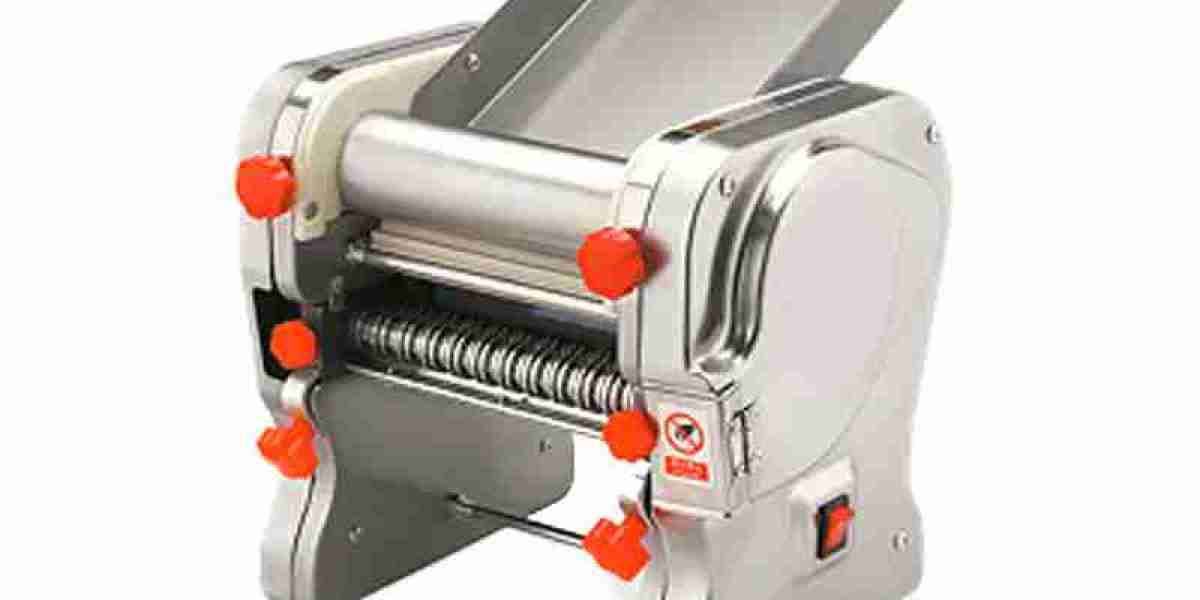

Making pasta from scratch is one of those kitchen activities that sounds wonderfully domestic until flour ends up on the ceiling and dough clings to every surface within reach. The reality of a messy pasta session discourages many home cooks from repeating the experience as often as they would like. Practical tips from users of the Household Pasta Maker suggest that the mess associated with pasta making is largely avoidable with a few straightforward adjustments to preparation, technique, and workspace management. Getting these habits in place early transforms pasta making from a cleanup project into a genuinely enjoyable part of the weekly cooking routine.
Workspace preparation makes a greater difference than most beginners anticipate. Before any flour or eggs come out, clearing the counter completely and wiping it down gives you a defined, uncluttered area to work within. Placing a clean silicone mat or a slightly dampened tea towel on the work surface keeps bowls and equipment from shifting during use and provides a contained surface that can be lifted and shaken over the sink when you are finished. This single step reduces the spread of flour across the surrounding counter considerably.
Measuring ingredients before mixing begins is a habit borrowed from professional kitchens that pays off immediately in a home setting. Weighing flour into the bowl rather than scooping it directly from the bag prevents the dust clouds that scatter across the counter when flour is handled carelessly. Using a bowl that is larger than you think you need gives the ingredients room to be combined without spilling over the edges during the early mixing stage, when the dough is still loose and unpredictable.
Flour management during the kneading and rolling stages is where most of the mess originates. The instinct when dough sticks is to reach for more flour, but over flouring is what sends white powder across the counter, the machine, and your clothing. Using flour sparingly and only where the dough is actually making contact with the surface or the rollers keeps the workspace manageable. A small bowl of flour kept nearby with a pastry brush allows you to apply a controlled, light dusting exactly where it is needed rather than scattering handfuls across the work area.
Keeping a damp cloth within reach throughout the session is a simple measure that prevents small messes from becoming large ones. Wiping hands between steps removes sticky dough residue before it transfers to cupboard handles, machine surfaces, or other equipment. A quick wipe of the counter between rolling sessions removes accumulated flour before it builds into a layer that eventually spreads further. The cloth costs nothing to keep on hand and genuinely changes how manageable the cleanup feels at the end.
Containing cut noodles as they come off the machine prevents the tangle of loose pasta that typically ends up draped across the counter and the floor. Laying a clean, lightly floured tea towel flat beside the machine and draping each cut portion over it as it comes through keeps the finished pasta tidy and prevents strands from sticking together. Rolling portions into loose nests immediately after cutting and placing them on the towel is another approach that works well for longer noodle shapes.
The household pasta maker you choose affects how much mess the process generates at the machine end. Equipment with smooth surfaces, minimal crevices, and components that release dough cleanly rather than clinging to it makes the whole session tidier and the cleanup faster.
A well organised pasta session leaves you with fresh noodles and a kitchen that requires only a few minutes to return to its usual state. The mess that puts many cooks off pasta making is a technique issue rather than an inevitable consequence of working with dough.
Home cooks who want a pasta maker designed with practical, tidy use in mind can review a thoughtfully built range of options at https://www.cnhaiou.com/product/ where models suited to regular home pasta preparation are available for consideration.