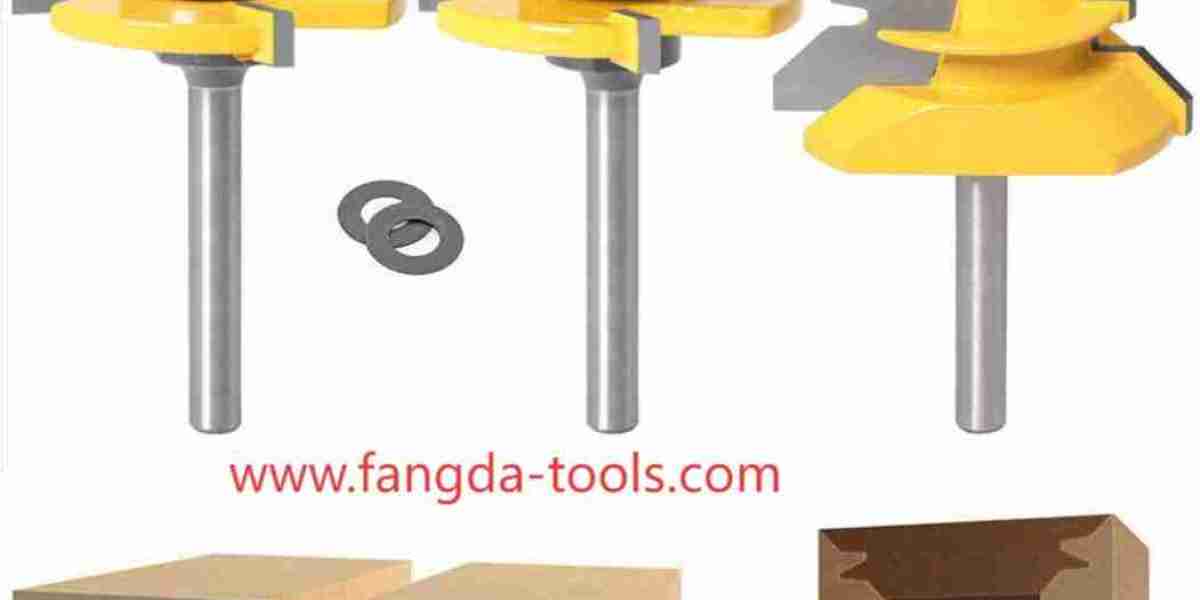

In woodworking and material processing, the selection of cutting tools affects both efficiency and surface quality. The Fangda Wood Cutting Saw Blade produced by fangda-tools is designed for users who need stable cutting performance when working with solid wood, plywood, and similar materials. With a balanced structure and carefully shaped teeth, this type of blade can support repeated cutting tasks in workshops, construction sites, and maintenance environments.
The body of a circular saw blade must remain stable during rotation. For this reason, the steel plate is usually processed with controlled tension to help the blade keep its flatness at working speed. When the body remains steady, the cutting line becomes easier to control, and the operator can guide the tool along the material without unnecessary vibration. This is especially useful in furniture making, framing work, and general carpentry where straight edges are required.
Tooth design also plays an important role in cutting behavior. Different tooth shapes are used depending on the type of wood and the cutting method. Wider tooth spacing helps remove chips quickly when cutting thick material, while finer teeth are more suitable for thin boards and panels that require smoother edges. A well-ground tooth angle allows the blade to enter the material gradually, helping reduce tearing on the surface of the wood.
Another factor that affects performance is the welding and grinding process of the cutting edges. When each tooth is positioned evenly, the blade rotates in a more balanced way. Balanced rotation helps reduce noise and heat during operation, which can make long working sessions easier to manage. This is helpful for users who need to perform continuous cutting without frequent interruptions.
Surface finishing treatments can further improve working stability. Protective coatings help reduce friction between the blade and the material, allowing the blade to move through wood more smoothly. Lower friction also helps control heat, which supports longer tool life during regular use. In workshop environments where dust and moisture are common, a treated surface can help keep the blade in usable condition.
Compatibility with different machines is another practical consideration. Standard sizes allow the blade to be installed on handheld circular saws, table saws, and other cutting equipment. This flexibility makes the tool suitable for repair work, home improvement projects, and professional woodworking tasks where equipment may vary.
Although a saw blade appears simple, its performance depends on the coordination of material selection, tooth grinding, balancing, and finishing processes. When these elements are carefully controlled, the result is a tool that can maintain steady cutting in many situations without complicated adjustments.
Those interested in seeing how cutting tools are prepared for everyday woodworking can visit https://www.fangda-tools.com/product/ and follow the details that turn raw materials into practical workshop tools.