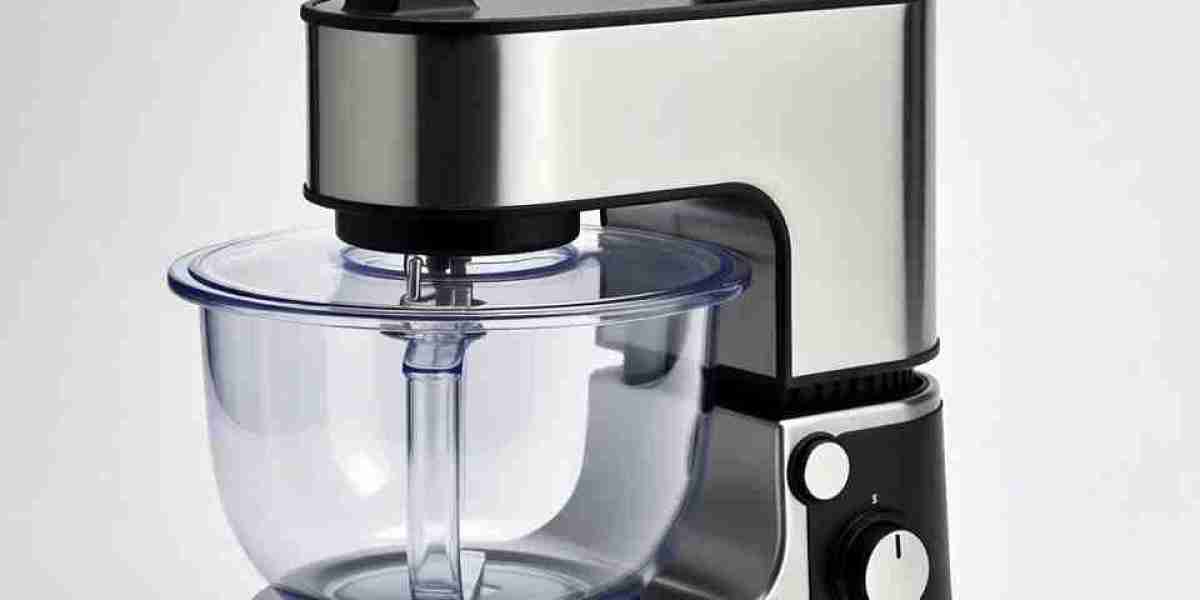

Limited kitchen real estate forces home cooks to carefully manage equipment placement and storage strategies. While products from any Electric Dough Mixer Factory deliver valuable baking capabilities, their physical presence challenges households where every square inch of counter space serves multiple purposes. Developing practical storage solutions that maintain equipment accessibility while reclaiming workspace enables enjoying automation benefits without permanently sacrificing valuable kitchen surfaces.
Cabinet storage represents the most common approach for equipment used regularly but not daily. Dedicating specific cabinet space near baking ingredients and mixing areas keeps equipment conveniently accessible without occupying counters between uses. Measuring equipment dimensions including height, width, and depth ensures cabinet compatibility before committing storage locations. Lower cabinets often provide easier access than upper storage requiring lifting heavy equipment overhead. An Electric Dough Mixer stored conveniently gets used more frequently than units requiring awkward retrieval from difficult locations.
Adjustable shelving within cabinets accommodates equipment height while maximizing vertical space efficiency. Repositioning shelves creates custom spaces fitting equipment precisely without wasting overhead clearance. This flexibility allows storing bowls, attachments, and accessories alongside base units, keeping complete systems together preventing component separation and loss. Measuring actual equipment dimensions and comparing against adjustable cabinet configurations identifies compatible storage possibilities.
Pantry allocation for larger equipment suits households with walk-in or substantial pantry spaces. Dedicating pantry sections to equipment storage rather than exclusively food items provides accessible locations without consuming cabinet space needed for dishes or cooking supplies. Rolling carts or designated shelves in pantries create organized equipment zones supporting efficient retrieval and return. This approach works particularly well when pantries adjoin kitchens allowing quick access during baking sessions.
Appliance garages built into cabinetry provide dedicated equipment storage with convenient counter-level access. These specialized cabinets feature tambour doors or hinged panels concealing equipment while maintaining easy retrieval. When needed, equipment slides forward onto counters for use then returns to concealment afterward. This solution suits committed bakers willing to invest in kitchen modifications supporting regular equipment use. Retrofitting appliance garages during remodeling projects creates long-term storage solutions.
Corner cabinet utilization through lazy susan installations or pullout systems accesses awkward spaces typically wasted in standard configurations. Rotating shelves bring equipment to front openings without requiring reaching into deep recesses. Pullout platforms slide equipment forward for easy lifting rather than requiring stretching into corners. These specialized hardware solutions transform challenging storage areas into functional equipment homes.
Under-counter placement on pullout shelves enables heavy equipment storage at convenient working heights. Commercial-grade slides supporting substantial weight allow equipment remaining in cabinets until needed then pulling forward directly onto counter surfaces for use. This approach eliminates lifting heavy machinery while providing easy access. Installation requires cabinet modifications but creates highly functional storage for frequent users.
Closet or utility room storage suits less frequent users willing to retrieve equipment from outside immediate kitchen areas. Dedicated shelving in nearby closets, laundry rooms, or pantries provides storage without consuming kitchen space. This approach makes sense when baking occurs weekly or less frequently, trading some convenience for space reclamation. Ensuring reasonable retrieval paths prevents storage locations becoming so inconvenient that equipment use declines.
Vertical storage through specialized racks maximizes floor space efficiency in closets or pantries. Narrow shelving units holding equipment and accessories together in compact footprints utilize vertical space that horizontal storage wastes. This approach works particularly well for smaller equipment that stacks or stands efficiently.
Garage or basement storage represents options for occasional users prioritizing kitchen space above convenience. Climate-controlled areas without excessive humidity protect equipment while removing it completely from kitchen zones. This distant storage suits seasonal bakers or those using equipment monthly or less, acknowledging reduced convenience in exchange for complete space reclamation.
Dust covers or storage bags protect equipment in open storage situations. Fabric covers prevent flour dust accumulation on surfaces while maintaining equipment visibility and accessibility. This protection extends to cabinet storage where cooking vapors and general kitchen dust might otherwise accumulate on idle equipment.
Component organization through dedicated containers keeps accessories together preventing loss and simplifying setup. Clear bins holding attachments, spare parts, and instruction manuals alongside base units create complete systems ready for use. Labeling containers identifies contents without opening, streamlining retrieval processes.
Regular assessment of storage effectiveness ensures systems continue serving needs as cooking patterns evolve. Adjusting storage locations when usage frequency changes optimizes convenience matching actual rather than assumed habits. Equipment deserving accessible storage based on regular use should not languish in inconvenient locations.
Balancing accessibility against space consumption requires honest evaluation of usage patterns and spatial priorities. Practical storage solutions enable enjoying equipment benefits without overwhelming limited kitchens. Storage planning information is available at https://www.cnhaiou.com/product/ for reference.