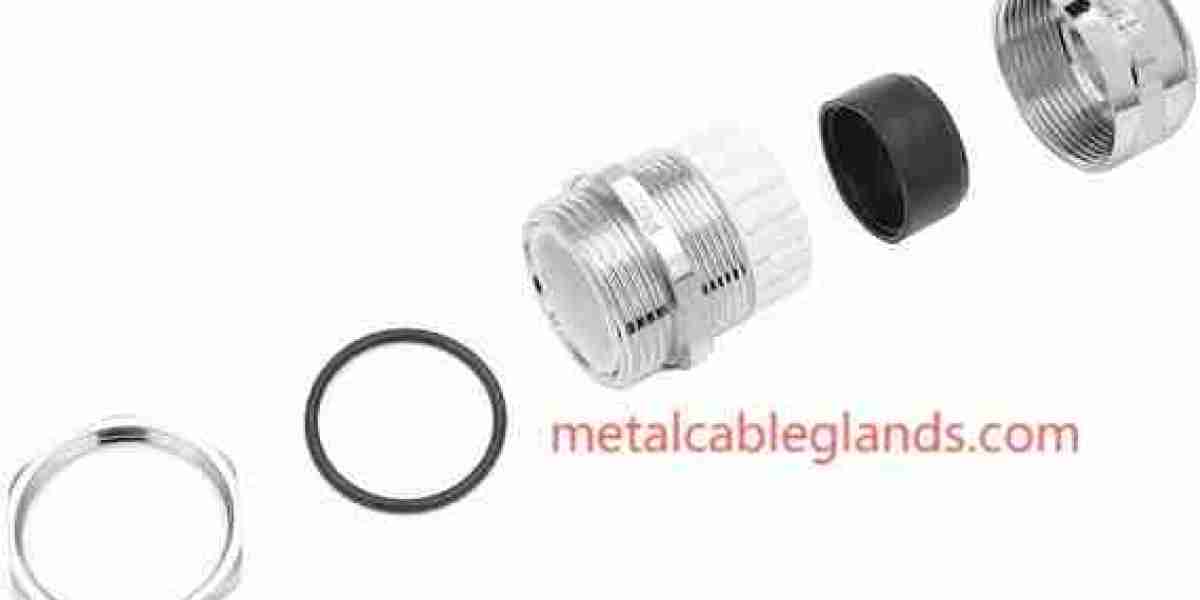

Modern electrical installations frequently involve equipment sourced from different manufacturers, each designed according to distinct connection standards. Within complex cable management systems, the Cable Gland Adaptor becomes an essential component that allows various threaded interfaces to work together efficiently. By enabling secure transitions between cable glands and enclosure entries, a Cable Gland Adaptor ensures that electrical systems maintain both compatibility and operational reliability across diverse installation environments.
The effectiveness of cable gland adaptors largely depends on the materials used during manufacturing. High-quality metals such as brass and stainless steel are commonly chosen because of their durability and resistance to corrosion. Brass adaptors are particularly valued for their mechanical strength and ability to maintain stable connections even in demanding industrial environments. Stainless steel alternatives offer superior resistance to moisture and chemical exposure, making them suitable for installations in coastal regions, chemical processing facilities, and outdoor infrastructure projects. In certain applications, advanced engineering plastics may also be used to provide lightweight and corrosion-resistant solutions.
Material characteristics play a significant role in determining the long-term performance of cable gland adaptors. Electrical installations are often exposed to challenging conditions including humidity, vibration, and temperature fluctuations. When adaptors are produced from robust materials and carefully engineered, they help preserve the integrity of cable entry points. This contributes to maintaining sealed connections that protect internal wiring from contamination and environmental stress.
Another critical aspect of cable gland adaptors is their role in improving system flexibility. In large electrical networks, components must often be installed in confined spaces where alignment and compatibility can be difficult to achieve. Adaptors make it possible to connect cable glands to enclosures with different thread types without requiring extensive redesign of the cable management system. This flexibility allows installers to adapt quickly to varying installation requirements and ensures that projects can proceed efficiently.
The structural design of cable gland adaptors also supports reliable mechanical performance. Electrical cables within industrial environments may be subject to continuous movement caused by machinery operation, vibration, or routine maintenance activities. Adaptors help maintain a stable interface between cable glands and electrical enclosures, ensuring that the connection remains secure despite external forces. This stability reduces the likelihood of cable strain or loosening connections, both of which could affect system reliability.
Cable gland adaptors are widely used in industrial manufacturing facilities. Production environments rely on extensive networks of power and control cables that must remain protected while allowing flexibility for maintenance and equipment upgrades. Adaptors help integrate different cable gland types within these networks, ensuring that cable entry systems remain organized and functional.
Renewable energy installations represent another important application area. Solar and wind energy systems often require extensive cabling between power generation units, control systems, and distribution equipment. Cable gland adaptors help connect various components within these systems, allowing installers to accommodate different cable gland specifications while maintaining reliable protection for electrical connections.
Transportation infrastructure also benefits from the use of cable gland adaptors. Railway signaling systems, airport control facilities, and highway monitoring equipment all rely on dependable electrical connections. Adaptors help maintain compatibility between cable management components while ensuring that cable entry points remain secure even in environments exposed to vibration and changing weather conditions.
In commercial buildings and smart infrastructure, cable gland adaptors support organized electrical distribution networks. Control panels, communication systems, and automation equipment often require numerous cable connections that must remain reliable and well protected. Adaptors help simplify the installation process by ensuring that cable glands fit properly with different types of enclosures and cabinets.
High-quality manufacturing plays an important role in ensuring the reliability of cable gland adaptors used in these applications. Precision engineering ensures that adaptors maintain consistent thread compatibility and structural strength, allowing them to perform effectively within complex cable management systems. Zhejiang Hongjuesi Connector Co., Ltd. has developed extensive expertise in producing cable management components designed to meet the needs of modern electrical installations. Their focus on durable materials and practical design helps ensure that cable entry systems operate safely and efficiently.
Professionals involved in electrical system design and installation often rely on trusted manufacturers to provide dependable connection solutions. Zhejiang Hongjuesi Connector Co., Ltd. offers a wide range of cable gland accessories that support reliable cable management in industrial, infrastructure, and commercial projects. More information about their cable connection products can be found at https://www.metalcableglands.com .