
Anyone who works in metal fabrication or construction knows this situation well. A project seems simple at first—cut a batch of pipes, prepare them for welding, and move to the next stage. But somewhere in the process, things slow down.
Sometimes the cuts are not perfectly aligned. Sometimes workers spend extra time adjusting pipes or correcting rough edges. And sometimes the tools themselves become part of the problem.
Many workshops still rely on traditional cutting methods that require constant manual adjustment. Operators stop repeatedly to measure, reposition, and recheck their work. Over the course of a day, these small interruptions quietly stretch the timeline of the entire project.
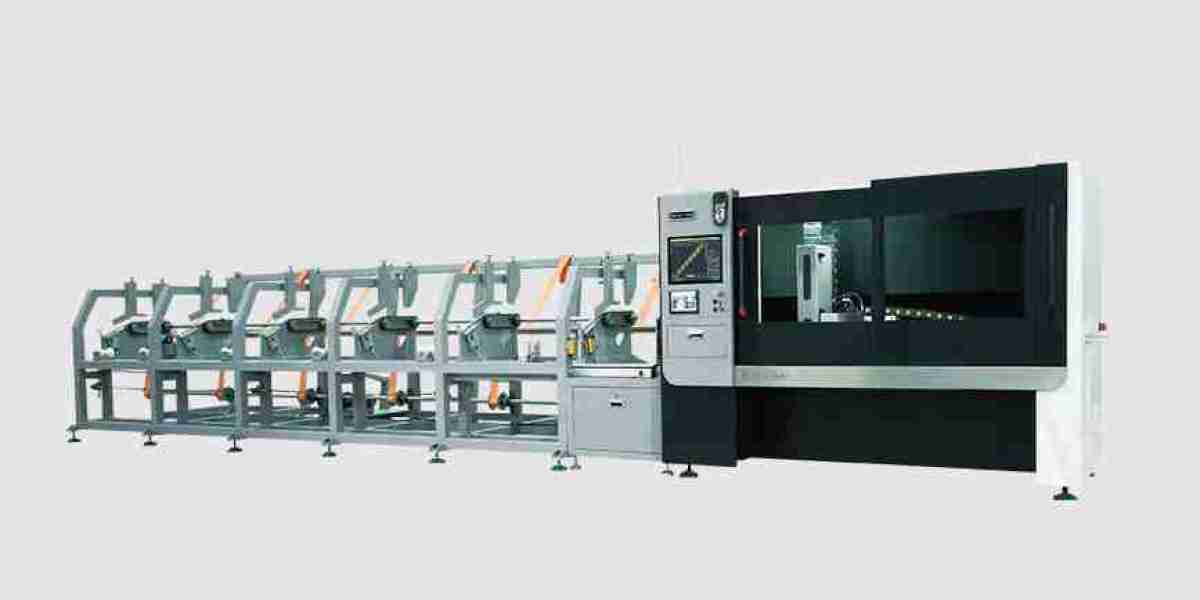
This is where CNC Laser Pipe Cutting starts to feel like a completely different experience. Instead of repeatedly checking alignment or trimming uneven edges, the operator simply prepares the pipe and lets the system follow the programmed cutting path. The workflow becomes smoother because the machine handles the precision that once required multiple manual steps.
But that doesn’t mean traditional tools disappear from the workshop. In many situations—especially during installation, on-site repairs, or quick adjustments—a Manual Pipe Cutting Machine still plays an essential role.
The real advantage comes from having both solutions working together. CNC laser cutting handles the complex or repetitive tasks in the workshop, while manual pipe cutting equipment supports flexible adjustments wherever they are needed.
Workers no longer feel like they are fighting against their tools. Instead, the cutting process naturally fits into the rhythm of the project.
And when pipe preparation stops slowing everything down, the entire fabrication workflow begins to move forward with much more confidence.