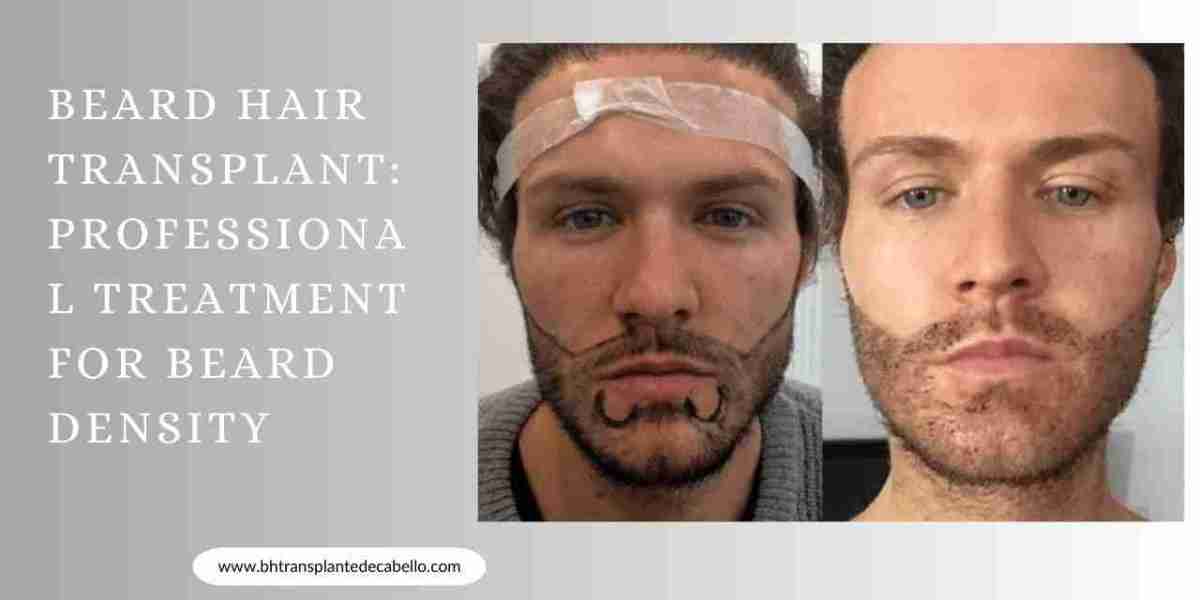

Facial hair has long been associated with masculinity, personal style, and confidence. A thick and well-shaped beard can enhance facial features and contribute to a more balanced appearance. However, not all men can grow dense or even facial hair. Patchy beard growth, thin facial hair, or uneven beard patterns are common concerns for many individuals. These issues may occur due to genetics, hormonal factors, or other lifestyle influences. For men who want to improve the appearance of their facial hair, a beard hair transplant has become a reliable cosmetic process. This professional treatment helps restore beard density and make a fuller, more natural-looking beard.
Understanding Beard Hair Transplant
A beard hair transplant is a cosmetic procedure that improves facial hair density by transplanting healthy hair follicles into areas with sparse or uneven growth. The treatment typically involves taking hair follicles from a donor area of the scalp, usually the back or sides of the head, where hair growth is strong and stable. These follicles are then carefully implanted into the beard area, following the natural direction and pattern of facial hair growth. Because the transplanted follicles are taken from the patient’s own scalp, the new beard hair grows naturally and blends well with the existing facial hair. Over time, this process produces a fuller beard with greater density and a more defined shape.
Common Causes of Patchy Beard Growth
Patchy or thin beard growth can result from several factors. Genetics is one of the most common causes, as facial hair patterns usually run in families. Some individuals naturally have less dense facial hair due to inherited traits. Hormonal levels also play a role in beard development. Testosterone and other hormones influence hair development, and any imbalance may affect beard thickness. In addition, scars from injuries, burns, or skin conditions can interrupt hair growth in certain areas of the beard.
The Beard Hair Transplant Procedure
The beard hair transplant process usually begins with a detailed consultation. During this stage, a specialist evaluates the patient’s facial hair pattern, donor hair availability, and desired beard style. Based on this assessment, a personalized treatment plan is developed to ensure natural-looking outcomes.During the procedure, hair follicles are carefully extracted from the donor area using advanced techniques. These follicles are then individually implanted into the beard region according to the planned design. The specialist places each follicle at the correct angle and direction to replicate natural beard growth.
Benefits of Beard Hair Transplant
One of the primary benefits of a beard hair transplant is that it provides a permanent solution for patchy or thin facial hair. Because the transplanted follicles are taken from the patient’s own scalp, they continue to grow naturally over time. Another advantage is the ability to customize the beard design. Individuals can work with specialists to create a beard shape that suits their facial structure and personal style. Whether someone prefers a thicker beard, improved coverage, or a more defined beard line, the procedure can be tailored accordingly. Additionally, the results of beard hair transplant procedures appear natural when performed by experienced professionals. Once the transplanted hair begins to grow, it can be shaved, trimmed, and styled just like natural facial hair.
Who Can Benefit from a Beard Hair Transplant
A beard hair transplant is suited for men who want to improve the density and coverage of their facial hair. Individuals with patchy beard growth, uneven hair distribution, or visible beard scars may benefit from this procedure. Men who are unable to develop facial hair due to genetics or previous skin injuries may also consider this treatment as a cosmetic solution. However, candidates should have sufficient donor hair available on the scalp to achieve optimal outcomes. A professional consultation helps determine whether the procedure is suitable based on the individual’s hair characteristics and aesthetic goals.
Choosing an Experienced Clinic
The success of a beard hair transplant depends largely on the expertise of the medical team performing the process. Designing a natural-looking beard requires both technical precision and an artistic understanding of facial hair patterns. Specialists must carefully consider the placement, direction, and density of each transplanted follicle to achieve realistic outcomes. Choosing a reputable clinic also ensures that advanced techniques, proper hygiene standards, and modern equipment are used throughout the treatment process. For individuals seeking professional beard restoration services, Beverlyhillshr offers advanced hair transplant therapies performed by skilled specialists. Their personalized approach focuses on achieving natural-looking beard density and balanced facial hair design while maintaining high standards of safety and patient care.
Conclusion
A beard hair transplant has become a popular and effective solution for men seeking fuller, more balanced facial hair. By transplanting healthy hair follicles into areas with thin or patchy growth, this modern cosmetic procedure helps restore natural beard density and improve overall appearance. With guidance from experienced specialists and proper aftercare, results can be long-lasting and natural-looking for individuals seeking to improve their facial coat and achieve a confident beard style. A beard hair transplant offers a reliable, professional treatment choice.