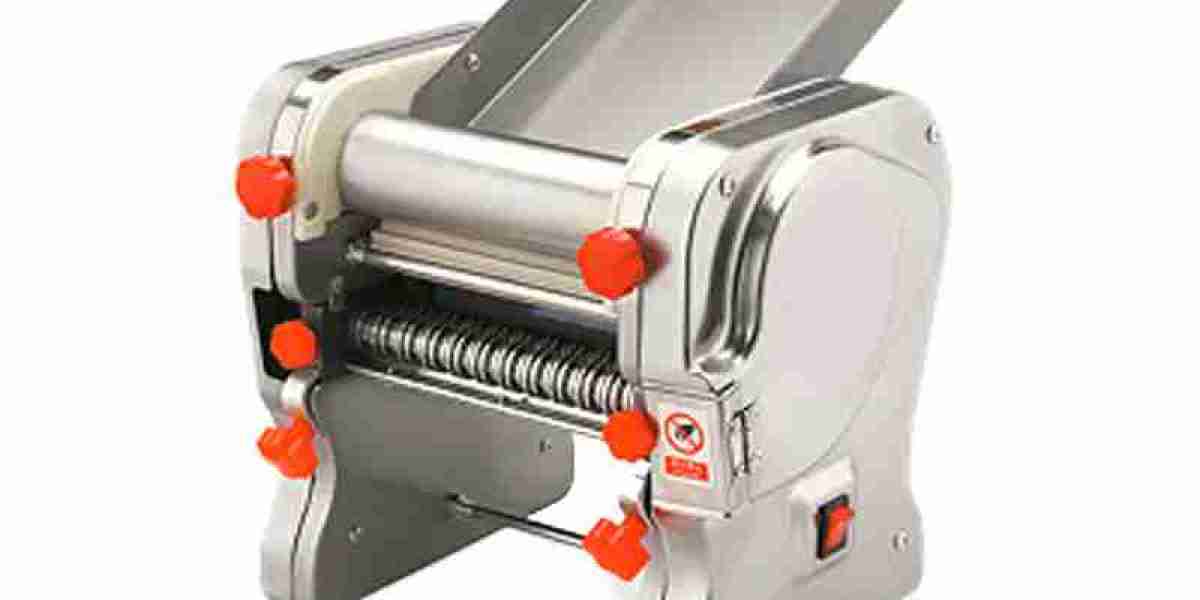

Equipment longevity depends on accessing replacement components when wear or damage occurs. Home cooks investing in quality products from China Electric Pasta Machine Manufacturers need reliable sources for dies, cutters, bowls, and other parts that eventually require renewal. Understanding where to locate authentic replacements ensures equipment remains functional for years rather than becoming unusable when single components fail.
Manufacturer direct purchasing provides the most reliable source for genuine replacement parts guaranteed to fit properly. Original equipment manufacturers maintain parts inventories specifically for their products, ensuring exact specifications match original components. This compatibility eliminates the frustration of ordering parts that appear similar but fail to fit correctly or function properly. Manufacturer websites typically feature parts diagrams helping identify needed components accurately. Direct contact through customer service departments assists with locating discontinued or less common parts not listed in standard catalogs.
Authorized retailers and distributors stock commonly needed replacement parts for brands they carry. Stores selling new equipment often maintain parts inventories supporting products they sell, providing convenient local access without shipping delays. Establishing relationships with retailers who sold original equipment creates ongoing support resources for maintenance needs. However, parts availability through retailers varies significantly, with some maintaining comprehensive inventories while others stock only frequently replaced items. Calling ahead to verify specific part availability prevents wasted trips for components requiring special ordering.
Dedicated kitchen equipment parts suppliers specialize in replacement components across multiple brands. These businesses focus specifically on parts rather than new equipment sales, often maintaining broader inventories than general retailers. Online parts specialists enable searching by model number or component description, streamlining the identification process. Comparison shopping across multiple parts suppliers may reveal price variations worth investigating, though verifying authenticity and quality remains important when considering unfamiliar sources.
Equipment manuals provide part numbers and component names essential for accurate ordering. Referring to documentation included with original purchases identifies exactly which parts are needed rather than guessing based on descriptions. Part numbers ensure receiving correct components even when multiple similar options exist. Keeping manuals accessible throughout equipment ownership facilitates maintenance and repair activities. Photographing or scanning parts diagrams for digital storage provides backup if physical manuals become lost or damaged.
Generic or aftermarket parts offer cost savings but require careful evaluation regarding compatibility and quality. Third-party manufacturers produce replacement components for popular equipment models, often at lower prices than original parts. However, material quality, precise dimensions, and performance characteristics may differ from original specifications. Reviews from other users provide insights into aftermarket part reliability and fitment accuracy. For critical components directly affecting food safety or equipment function, original parts typically justify premium costs through guaranteed compatibility and quality.
Cross-referencing part numbers across multiple sources helps verify fair pricing and availability. The same component may be available through different channels at varying costs. Taking time to compare prices before purchasing potentially saves significant money, especially for expensive parts like motors or electronic controls. However, considering total costs including shipping and potential return complications provides more accurate comparison than unit prices alone.
Used equipment parts markets exist through online marketplaces and specialty forums where owners sell components from discontinued or replaced units. This secondary market provides access to otherwise unavailable parts for older equipment no longer supported by manufacturers. However, used parts carry risks regarding remaining lifespan and previous wear conditions. Requesting detailed photos and condition descriptions helps assess whether used parts represent viable solutions or simply delay inevitable equipment replacement.
Timing replacement part purchases to coincide with planned maintenance or obvious wear prevents emergency situations requiring rushed expensive overnight shipping. Inspecting equipment periodically and ordering parts showing early wear signs before complete failure maintains equipment availability without urgent scrambling. Keeping commonly worn parts like cutting blades or wear-prone gaskets as spares eliminates downtime when failures occur.
Warranty considerations affect replacement part sourcing decisions during coverage periods. Using non-original parts or unauthorized service providers may void remaining warranty protection. Consulting warranty terms before purchasing replacement parts prevents inadvertently sacrificing coverage that could address larger failures later. Documenting all maintenance and parts purchases creates records supporting warranty claims if needed.
Establishing parts sourcing strategies before actually needing replacements reduces stress when components fail unexpectedly. Identifying reliable suppliers, understanding part numbering systems, and knowing approximate costs prepares owners for inevitable maintenance needs. This advance planning transforms reactive emergency repairs into routine maintenance activities.
Replacement part availability significantly affects total cost of equipment ownership and long-term usability. Verifying parts support before initial purchase prevents investing in equipment that becomes disposable when components wear. Information regarding replacement parts and ongoing equipment support is available at https://www.cnhaiou.com/product/ for reference.