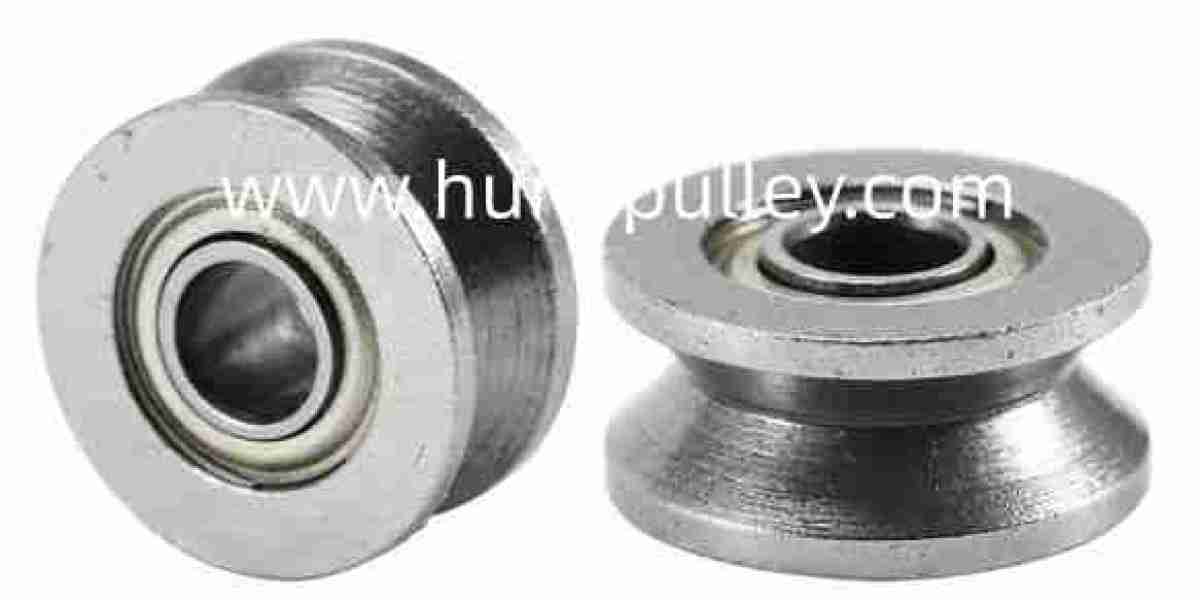

Inside modern living spaces, furniture often serves multiple purposes. Storage units hold clothing, tools, books, and everyday objects that people reach for repeatedly. Smooth movement becomes important in these situations, and a Hune Roller Wheel for Cabinet quietly supports that experience from behind the scenes. Though small in size, this component plays a noticeable role in how drawers, sliding panels, and cabinet doors behave during daily use.
Many homeowners may never notice the mechanism guiding their storage compartments, yet the feeling of effortless movement usually depends on the quality of internal rolling elements. When a cabinet door glides easily rather than dragging across its track, the difference often comes from thoughtful mechanical design.
The subtle mechanics inside furniture
Cabinets appear simple from the outside, but the structure includes several parts working together. A rolling element sits between track surfaces and moving panels. Instead of direct contact between rigid materials, the wheel allows controlled motion along a guided path.
This design reduces friction and prevents surfaces from wearing against one another. The result is a motion that feels lighter and more natural when opening or closing storage areas.
Designers appreciate this arrangement because it supports both comfort and durability. Without a rolling mechanism, repeated sliding could gradually affect cabinet frames or door edges. A well placed wheel distributes pressure and allows motion to remain stable over time.
Everyday situations where rolling support matters
Furniture in homes and workplaces faces constant interaction. Consider a few typical scenarios:
kitchen storage doors moving throughout meal preparation
wardrobe panels sliding during clothing selection
office storage compartments opening during busy schedules
tool cabinets shifting slightly during maintenance tasks
Each situation involves frequent movement. Smooth rolling support helps these actions feel effortless instead of stiff.
Quiet improvement to user experience
Furniture design increasingly focuses on comfort. When drawers glide gently and panels respond smoothly, the overall environment feels more refined. People may not consciously notice the mechanism, yet they appreciate the ease of movement.
A well constructed wheel helps maintain alignment while guiding motion along a defined track. This control reduces wobbling and keeps the door traveling in a predictable direction. Stability becomes especially helpful when cabinet panels are wider or heavier.
Material choice and structural balance
Rolling components often combine durable cores with smooth outer surfaces. This balance allows strength while still maintaining quiet movement. Engineers consider several factors during development:
surface smoothness
structural stability
resistance to everyday wear
compatibility with track materials
These considerations influence how consistently the cabinet operates after long periods of use.
Design flexibility for different cabinet styles
Furniture manufacturers create cabinets for many environments. Some are compact storage units, while others span large wardrobes or workshop cabinets. Because of this variety, rolling elements must adapt to different design requirements.
Wheel diameter, mounting structure, and groove shape can all change depending on how the cabinet moves. Certain models guide vertical doors, while others support horizontal sliding panels. The ability to adjust structure allows furniture builders to match mechanical parts with each design concept.
Quiet operation within living environments
Noise often becomes noticeable in homes where people prefer calm surroundings. Rough sliding motion may create unwanted sound as surfaces rub together. Rolling support reduces this friction and helps maintain quieter operation.
In shared spaces such as living rooms or offices, smoother movement contributes to a more comfortable atmosphere. Even small mechanical improvements can influence the overall feeling of the environment.
Supporting long term furniture reliability
Storage furniture is expected to function for extended periods. The internal rolling system helps protect both the door and the track from excessive pressure. By distributing movement through a wheel, stress spreads more evenly across contact points.
This gentle interaction can help maintain cabinet structure and reduce visible wear along edges or tracks. When mechanical components operate smoothly, the furniture remains easier to use and maintain.
A small component with a noticeable effect
Furniture design often combines aesthetics with hidden engineering. While handles and finishes attract attention, internal motion systems quietly shape the daily experience of using cabinets.
Manufacturers focusing on mechanical accessories continue refining these components to improve movement stability and durability. Within this field, Hunepulley contributes to the development of cabinet motion parts used in furniture systems. Professionals interested in related products or structural details can view additional information through Hunepulley where cabinet motion components are presented for practical applications.