
In industries like paint, coatings, and chemicals, packaging works harder than most people realize. Buckets travel through warehouses, trucks, retail stores, and sometimes construction sites before reaching the final user. During this journey, labels are constantly exposed to friction, moisture, and frequent handling. That’s why many companies are paying closer attention to solutions such as Plastic Bucket Label in-Mold and Paint Bucket In Mold Label.
The issue doesn’t usually appear immediately. At the beginning, the bucket looks perfect. The colors are vibrant and the information is clearly visible.
But after repeated handling, traditional labels often start showing signs of wear. Edges lift slightly. Scratches appear on the surface. Over time, the product packaging loses its original impact.
For brands competing on busy retail shelves, this can become a quiet disadvantage.
Customers often interpret worn packaging as a sign of lower product quality—even when the material inside the bucket remains excellent.
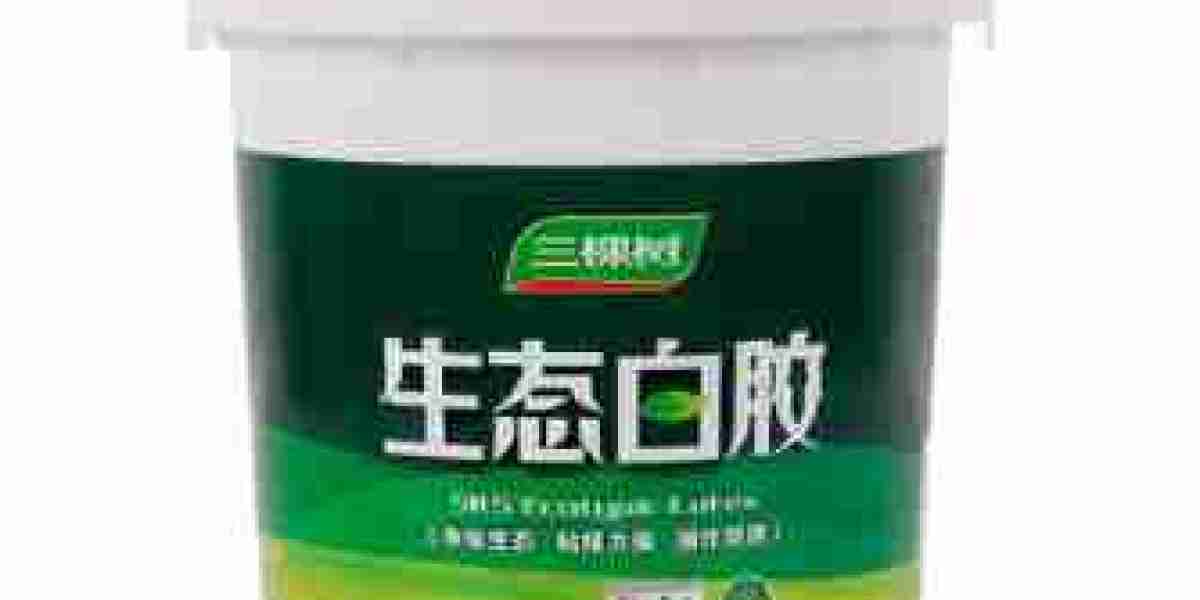
With Plastic Bucket Label in-Mold, the labeling process becomes part of the bucket’s creation rather than a separate step. The label is fused directly into the container, meaning it doesn’t peel or shift during transport.
For paint manufacturers in particular, Paint Bucket In Mold Label ensures the packaging continues to represent the brand clearly from the factory to the job site.
The benefit isn’t just visual—it’s practical. Workers handling the buckets don’t need to worry about damaging labels during stacking or movement.
When packaging remains intact throughout the product’s journey, the brand story stays just as strong as the day it was produced.