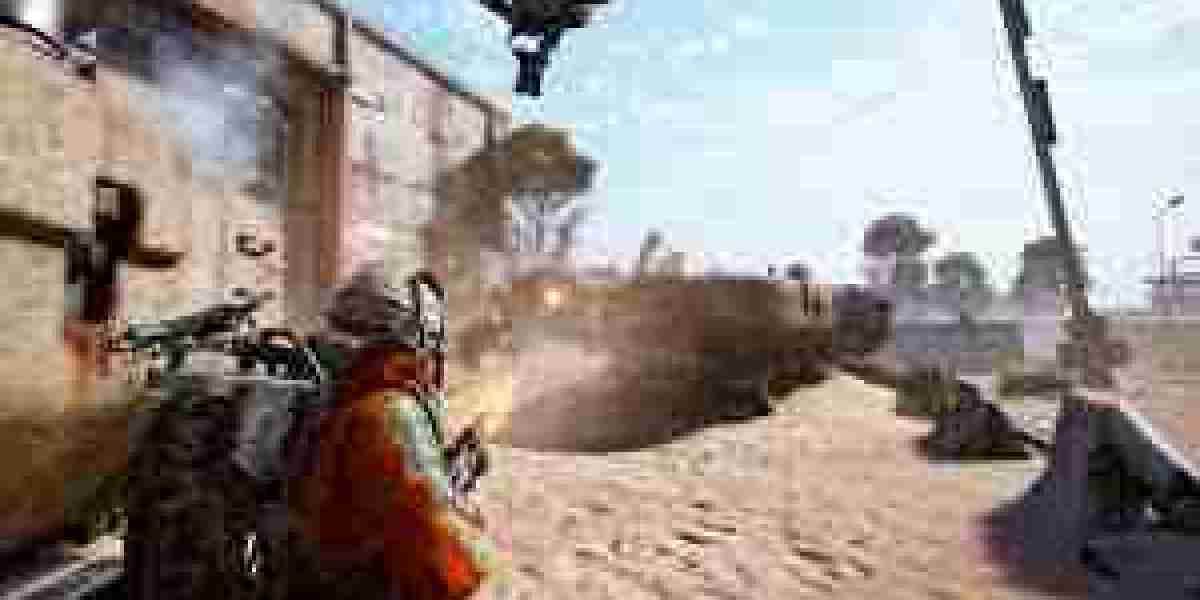

Blueprint farming in extraction shooters isn't about getting lucky; it's about showing up with a plan and sticking to it when the raid gets messy. I started doing better the moment I stopped "exploring" and began treating each run like a quick job: hit a route, check the right containers, get out. If you're still trying to remember what's worth grabbing mid-fight, it helps to skim a reference like ARC Raiders Items before you queue, so your brain doesn't freeze when you spot something rare.
Use the map when it turns mean
Most players hear bad weather and think, "Cool, time to extract." That's the mistake. Dynamic events change the whole risk-reward balance, and you can feel it if you stay in the raid a bit longer. On Stella, hurricane conditions are brutal. Sightlines vanish, audio gets weird, and everybody moves slower. But those storms also push better loot into circulation, especially higher-tier schematics. You don't have to full-send every time, either. Play the edges, let other squads crash into each other, and sweep the spots people skip because they're nervous.
Stop ignoring boring containers
Here's the part that sounds dull but pays out: open everything normal. Desks, lockers, office drawers, storage bins. People sprint past them like they're scenery, then complain they're always short on wires or mod parts. Those "junk" pulls stack up fast, and they keep your crafting moving between raids. You'll also snag vendor items that add up, like little collectibles and odd trinkets, and that money matters when you're rebuilding kits. The best surprise is how often weapon mod blueprints show up in plain furniture—stuff like Compensator III or Silencer II—exactly the kind of upgrades that make solo runs feel less like a coin flip.
Breach rooms are the real payday
If you want the schematics that change how your squad plays, you've gotta budget time for locked areas. Breach rooms aren't just "more loot"; they're a different loot pool. Secured doors filter out casual looters, so what's behind them is usually worth the noise and the risk. It's where you start seeing utility and combat upgrades that actually swing fights: a Defibrillator blueprint for team resets, or Extended Medium Mag III for those long, ugly engagements where reload timing decides everything. Hit these rooms during severe weather and you'll notice the difference right away.
Keep your runs repeatable
The trick is consistency: pick a storm-friendly route, clear your mundane containers on the way, then commit to one or two breach targets before you rotate out. Don't turn it into a grand tour. When you're building a stash, steady extractions beat hero moments. And if you're trying to speed up gearing between sessions, plenty of players also use marketplaces that help them top off essentials or grab what they missed; RSVSR is one option people mention for sourcing game items and currency without burning another dozen raids just to replace basics.