
In modern industrial and commercial installations, maintaining the integrity of electrical wiring is critical for operational safety and system reliability. Flexible Steel Conduit plays an essential role in providing a durable, resilient, and adaptable solution for protecting electrical cables in a wide variety of environments. Unlike rigid conduit systems, flexible steel options allow installers to navigate complex pathways while ensuring long-term mechanical protection. The design and material properties of these conduits offer not only flexibility but also superior shielding against physical and environmental hazards, making Flexible Steel Conduit a trusted choice for industrial and infrastructure applications.
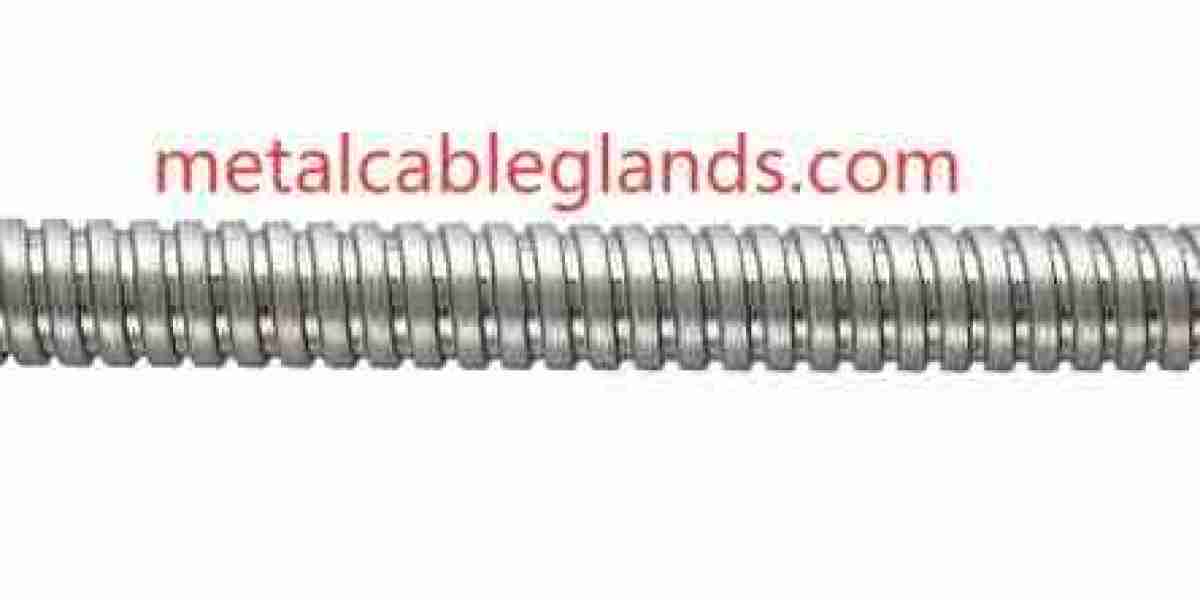
The material composition of flexible steel conduits is fundamental to their performance. High-quality steel alloys are selected to offer strength, impact resistance, and corrosion protection, which is particularly important in harsh industrial environments. The corrugated or spiral design of the conduit allows it to bend naturally while maintaining structural integrity. This combination of material strength and flexible construction ensures that cables are well-protected against vibration, compression, and accidental contact with machinery or other structural components.
One of the key advantages of flexible steel conduits is their ability to accommodate complex installation pathways. In many industrial facilities, electrical systems must navigate around equipment, structural supports, and moving parts. Rigid conduits often require precise measurements and additional fittings to achieve such configurations, whereas flexible steel conduits can be bent and routed without compromising cable protection. This reduces installation time and labor costs, while providing an adaptable and scalable solution for electrical networks.
Flexible steel conduits also provide critical protection against environmental stressors. Industrial facilities may expose wiring systems to dust, moisture, chemical splashes, and temperature fluctuations. The metallic construction of the conduit acts as a barrier, preventing contaminants from reaching sensitive cable insulation. Additionally, the conduit’s surface and coating can be treated to resist corrosion, enhancing durability in both indoor and outdoor installations.
In applications such as manufacturing plants, automation systems, and robotics, cable protection is especially vital. Flexible steel conduits safeguard power and signal cables from abrasion, vibration, and impact, which are common in environments with moving machinery and heavy equipment. By reducing the risk of electrical failure, these conduits contribute to operational efficiency and minimize downtime, which is critical for production continuity.
Transportation infrastructure also benefits from flexible steel conduit solutions. In railways, airports, and roadway monitoring systems, wiring is often exposed to movement, vibration, and environmental extremes. Flexible steel conduits protect these cables from mechanical stress while allowing easy routing along complex structural layouts. Similarly, in building construction, the conduits provide organized cable pathways for power distribution, lighting systems, and communication networks, ensuring safety and compliance with electrical codes.
Maintenance and future modifications are another area where flexible steel conduits offer advantages. Electrical systems are rarely static; expansions, upgrades, and routine inspections are necessary over time. Flexible conduits allow technicians to access and modify cable routes without disassembling rigid systems, thereby saving time and reducing the risk of damage to existing wiring. This accessibility supports long-term operational reliability and simplifies electrical management.
The versatility of Flexible Steel Conduit also extends to specialized industrial applications, such as energy facilities, oil and gas plants, and chemical processing units. In these environments, cables must be protected from harsh chemical exposure, extreme temperatures, and mechanical abrasion. The combination of steel’s durability and flexible design ensures that wiring systems can withstand these challenges while maintaining uninterrupted performance.
Zhejiang Hongjuesi Connector Co., Ltd. manufactures high-quality flexible steel conduits and related cable protection components designed to meet the demanding needs of industrial, commercial, and infrastructure applications. By combining advanced materials with practical design, the company ensures reliable protection for power and data cables across diverse environments. More information about their products can be found at https://www.metalcableglands.com/product .
The adoption of flexible steel conduits in modern electrical installations continues to grow as industries demand safer, more efficient, and adaptable wiring solutions. With the combination of mechanical strength, flexibility, and environmental protection, flexible steel conduits remain a critical component for ensuring reliable electrical systems across diverse application areas, from industrial plants to infrastructure networks.