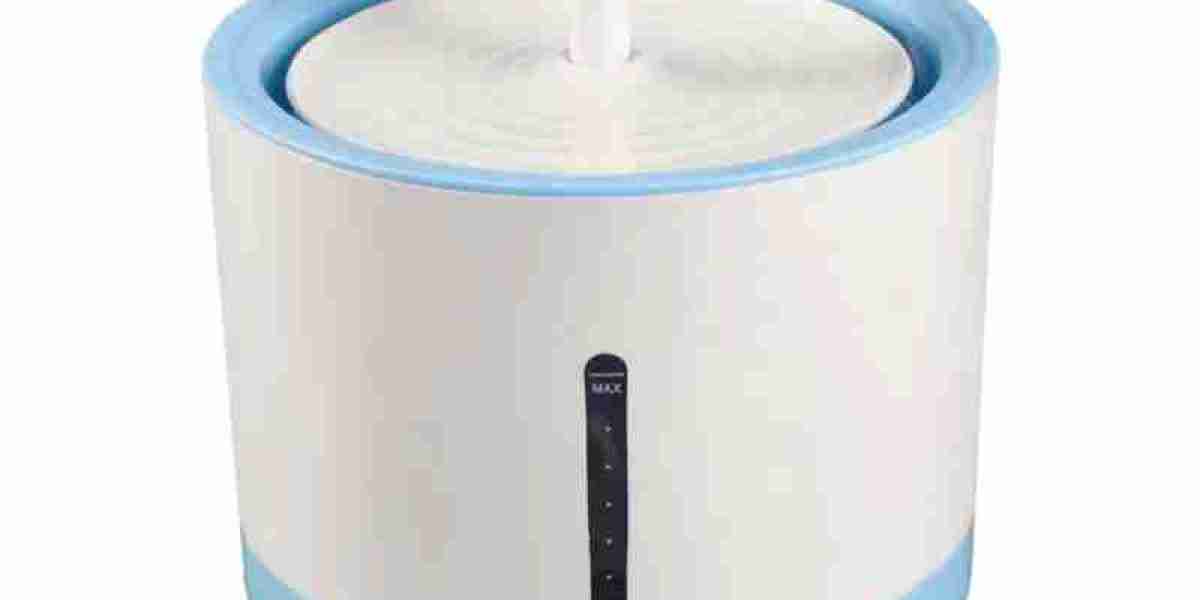

Choosing the right location for your hydration station can mean the difference between enthusiastic use and complete neglect. Many households invest in quality systems after consulting a Pet Water Fountain Factory , only to find their companions ignoring them entirely. Strategic placement considers animal behavior patterns, household traffic flow, and environmental factors that influence drinking comfort and frequency.
Room temperature stability affects both water quality and drinking appeal. Avoid positioning hydration devices near heating vents, radiators, or windows with direct sunlight exposure. Warm environments accelerate bacterial growth and cause water to lose its refreshing quality quickly. Similarly, drafty locations near exterior doors or air conditioning units may chill water uncomfortably during certain seasons. Neutral temperature zones maintain consistent conditions that encourage regular drinking throughout the day.
Noise levels in the surrounding area significantly impact whether animals feel comfortable approaching their water source. Kitchens often seem convenient due to proximity to plumbing and food storage, yet dishwashers, refrigerators, and constant foot traffic create disturbances. Laundry rooms present similar challenges with washing machines and dryers generating vibrations and sounds that startle cautious drinkers. Quieter spaces like hallways, guest rooms, or peaceful living room corners provide the calm environment many companions prefer for hydration.
Separation from feeding stations respects natural instincts many animals retain from their wild ancestors. In nature, animals often kept drinking water sources separate from areas where they consumed prey to avoid contamination. This instinctive preference means many companions feel more comfortable when their water and food occupy different rooms or opposite sides of the same space. Honoring this natural separation can increase drinking frequency noticeably.
Floor surface selection influences both practical maintenance and usage patterns. Hard surfaces like tile, hardwood, or linoleum allow easy cleanup of inevitable splashes and drips. Carpeted areas absorb moisture, potentially creating odor concerns and mildew growth beneath fountain bases over time. If carpet locations seem otherwise ideal, waterproof mats provide protective barriers. Ensuring the surface remains level prevents tipping or uneven water flow that might discourage use or create maintenance headaches.
Electrical outlet accessibility determines placement possibilities while requiring safety considerations. Fountains need reliable power access, yet exposed cords present chewing hazards and tripping risks for both animals and humans. Positioning near walls allows secure cord routing while maintaining tidy appearance. Avoid running extension cords across walkways or through doorways where damage becomes likely. Integrated outlet locations near wall bases provide safer, more permanent solutions.
Household traffic patterns influence companion comfort during drinking. High activity zones like main entryways or central hallways may stress shy animals who prefer privacy while hydrating. Conversely, social companions might appreciate stations near family gathering spots where they feel included. Observing individual personality helps determine whether your companion prefers bustling social areas or quieter private spaces for drinking.
Visibility from favorite resting spots serves as helpful reminders throughout the day. Fountains positioned within sight lines from preferred napping areas trigger drinking reminders during rest periods. Completely hidden locations require deliberate seeking behavior that companions may skip when comfortable or sleepy. Strategic placement along natural movement paths between rest and activity zones maximizes encounter frequency without forcing unnatural routes.
Multi level homes benefit from thoughtful vertical distribution. Stairs present barriers for senior companions or those with mobility challenges. Single fountain locations may inadequately serve animals spending significant time on different floors throughout the day. Multiple units or placement on levels where companions spend majority time ensures accessible hydration without physical obstacles.
Implementing these placement principles transforms hydration devices from ignored accessories into actively used health resources. Understanding how location intersects with animal behavior, household dynamics, and practical maintenance creates environments encouraging natural drinking habits. Thoughtful positioning proves as valuable as device quality when supporting companion wellness through improved hydration. For circulation systems designed to encourage healthy drinking through appealing water movement and quality, visit https://www.tallfly.net/product/ to review options suited to various household layouts and companion preferences.