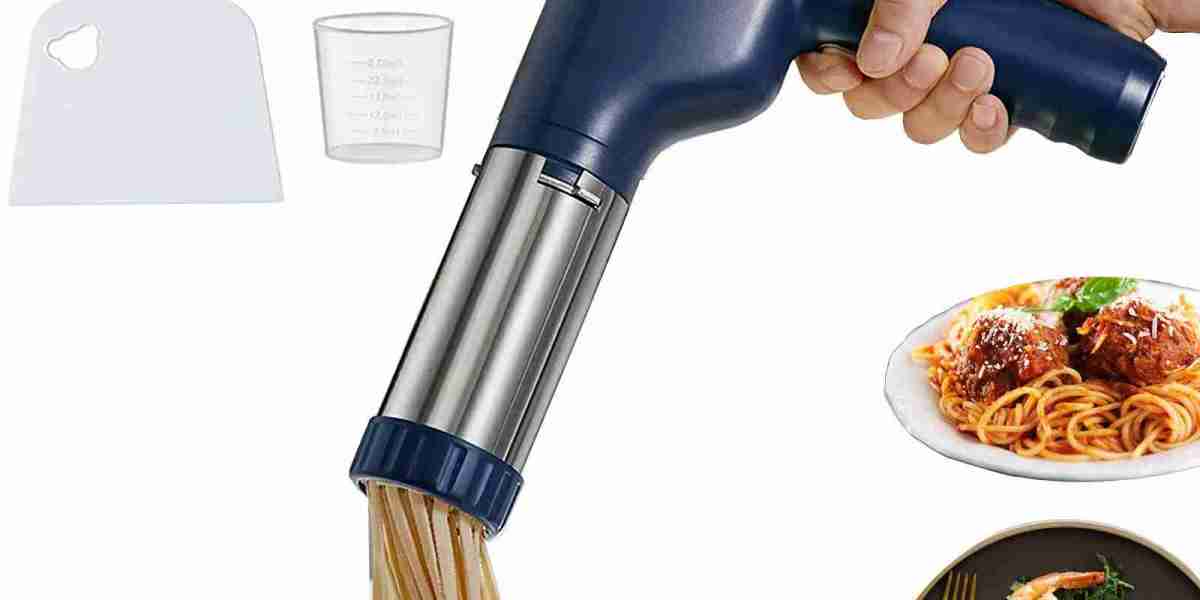

Cooking independence becomes increasingly precious as physical capabilities shift with advancing years. Traditional pasta preparation demands strength, dexterity, and endurance that can fade over time, yet Electric Noodle Making Machine Manufacturersrecognize that culinary enjoyment should remain accessible regardless of age. Automated equipment bridges the gap between declining physical abilities and the desire to prepare fresh, homemade meals without assistance or compromise.
Grip strength diminishes naturally as people age, making hand-kneading dough progressively more difficult. Arthritis compounds these challenges, turning once-simple tasks into painful ordeals. An Electric Noodle Making Machine eliminates the need for prolonged gripping and squeezing motions that stress aging joints. Users add ingredients and activate controls rather than working dough manually for extended periods. This shift from physical labor to supervision preserves dignity while enabling continued participation in meal preparation.
Standing endurance declines as balance issues and leg strength concerns emerge. Traditional pasta making requires standing at counters for considerable time while kneading and rolling. Equipment that processes dough automatically allows users to sit during most preparation steps. Placing machines on tables at appropriate heights accommodates seated operation, removing barriers that might otherwise end pasta-making activities. This flexibility supports continued cooking despite mobility limitations.
Visual clarity in controls matters significantly for users experiencing age-related vision changes. Large buttons with high-contrast labeling prove easier to read than small text or subtle markings. Tactile feedback from physical switches provides confirmation that settings were adjusted correctly, compensating for reduced visual acuity. Simple operation sequences with few decision points reduce cognitive load and prevent confusion that might discourage equipment use.
Memory support features help users who occasionally forget steps or timing. Automatic shutoff mechanisms prevent accidents if equipment is left running unattended. Audible completion alerts remind users when processing finishes, eliminating concerns about checking constantly. These safeguards provide peace of mind for individuals worried about forgetfulness interfering with cooking safety.
Weight considerations affect whether equipment suits senior users. Heavy machinery proves difficult to move or store for individuals with reduced strength. Lighter models that relocate easily between counter and storage support flexible kitchen arrangements. However, stability must not suffer from reduced weight, as tipping hazards increase injury risk for users with slower reaction times.
Component accessibility determines whether cleaning remains manageable. Parts that remove without excessive force or complicated procedures suit users with limited hand strength and finger dexterity. Smooth surfaces without intricate crevices simplify wiping and rinsing, reducing time and effort required for sanitation. Quick, easy cleaning encourages regular use rather than becoming a barrier to cooking.
Noise levels impact comfort for users with hearing sensitivity or sound-related stress. Quieter operation creates pleasant cooking experiences rather than jarring, unpleasant encounters with loud machinery. Reduced noise also enables conversation or entertainment during preparation, supporting social engagement rather than isolated activity.
Portion control capabilities prevent waste while accommodating changing appetites. Smaller batch processing suits individuals living alone or eating less than in previous years. The ability to prepare just enough for immediate needs without complicated calculations or measurements simplifies meal planning. Avoiding excess pasta that might spoil addresses both practical and economic concerns for users on fixed incomes.
Success consistency builds confidence for users uncertain about changing cooking abilities. An Electric Noodle Making Machine produces reliable results regardless of user strength variations or technique differences. This predictability reassures seniors worried about serving inconsistent meals to guests or family. Knowing results will meet expectations encourages continued cooking participation.
Emergency stop controls accessible from various positions protect users who might need immediate shutdown. Prominent placement and intuitive operation ensure these features work effectively during stressful moments when clear thinking might be compromised. Safety considerations prove especially important for individuals living alone where help might not arrive immediately following accidents.
Temperature regulation prevents burns from hot components. Cool-touch exteriors allow safe interaction even if users accidentally contact surfaces during operation. Eliminating burn risks addresses coordination challenges and reduced sensation that sometimes accompany aging.
Social benefits extend beyond nutrition when equipment enables meal sharing. Seniors who confidently prepare fresh pasta maintain connections through hosting family and friends. This capability combats isolation while providing purpose through continued contribution. Equipment supporting independence preserves dignity alongside practical cooking functionality.
Accessible equipment design respects aging users while enabling continued culinary engagement. Features addressing physical and cognitive changes support quality of life through maintained independence. Equipment emphasizing senior-friendly operation can be reviewed at https://www.cnhaiou.com/product/ for various needs.