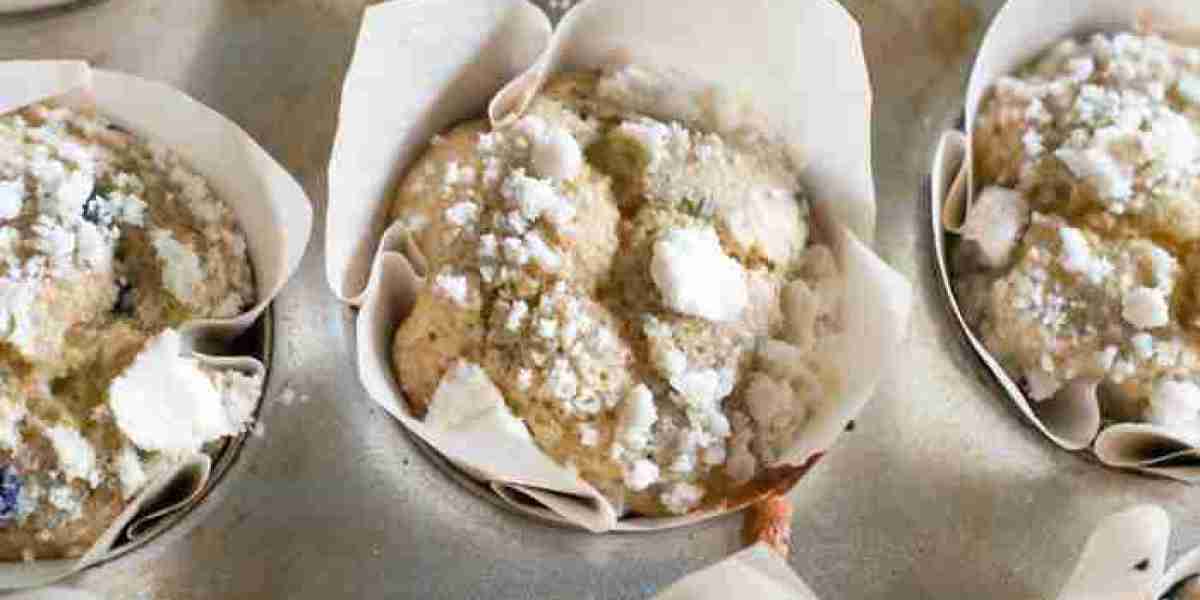

In large-scale bakeries and home kitchens alike, selecting dependable Baking Paper requires understanding how manufacturing precision influences heat behavior, surface release, and durability during cooking. Although it appears simple, this material is the result of controlled fiber engineering, surface chemistry, and production monitoring designed to meet consistent food-contact standards.
The foundation of performance begins at the pulp preparation stage. Clean, refined wood fibers are dispersed evenly in water to create a uniform slurry. During sheet formation, advanced papermaking machines regulate fiber distribution to avoid weak points or uneven density. Balanced fiber orientation ensures the sheet maintains strength when exposed to weight from dough or moisture from sauces. Precision drying systems further stabilize the structure, preventing internal stress that could lead to curling or brittleness under oven heat.
Surface treatment is a defining feature of modern baking paper. A carefully calibrated silicone coating is applied to create a non-stick interface between food and sheet. This process requires uniform application to ensure reliable release performance. Inconsistent coating thickness may result in partial sticking or reduced heat transfer efficiency. Manufacturers monitor curing temperature and dwell time to ensure the coating bonds securely without affecting flexibility.
Thermal performance depends on more than coating quality. The base sheet’s density and porosity directly influence heat distribution. A well-balanced structure supports even browning by allowing hot air circulation while maintaining resistance to oil penetration. This balance helps pastries develop crisp textures and supports roasted vegetables in maintaining structure without excess moisture accumulation beneath the food surface.
Practical usage techniques also enhance results. Before placing baking paper on trays, aligning it flat against the surface minimizes trapped air pockets that may affect heat exposure. For high-sided pans, folding edges carefully along the rim improves structural support and reduces movement during batter pouring. When working with delicate confections such as caramel or meringue, pre-measuring and cutting sheets in advance ensures consistent workflow and reduces preparation interruptions.
Commercial kitchens benefit from workflow planning that incorporates pre-cut or roll formats. Rolls allow flexible sizing for different tray dimensions, while pre-cut sheets support rapid turnover in high-volume environments. Storage conditions also influence performance; keeping sheets in a dry, temperature-controlled space prevents moisture absorption that may compromise stiffness.
Beyond conventional baking, baking paper serves diverse culinary purposes. It can act as a separation layer between stacked frozen items, preventing adhesion during cold storage. In steaming applications, it protects delicate ingredients from direct contact with metal surfaces. During confectionery production, it assists in shaping sugar work and chocolate preparations without residue transfer. These expanded uses demonstrate the material’s adaptability across cooking techniques.
Manufacturing transparency is increasingly valued within the food packaging sector. Zhejiang Guanghe New Materials Co., Ltd. focuses on systematic quality management, from pulp sourcing to final inspection. Continuous process monitoring ensures each production batch meets consistent physical and functional standards. Through structured testing protocols, manufacturers evaluate grease resistance, tensile strength, and release behavior to maintain reliability across varied culinary conditions.
Sustainability considerations influence modern production strategies. Efficient water reuse systems, controlled chemical handling, and energy-optimized drying technologies reduce environmental impact during manufacturing. Responsible sourcing of raw materials supports long-term ecological balance while maintaining product performance. Such operational approaches align with evolving global standards for environmentally conscious materials.
Understanding the relationship between production control and kitchen technique empowers users to maximize performance. For example, avoiding direct flame exposure preserves sheet integrity, while adjusting oven rack placement helps maintain even heat distribution. Recognizing that different recipes generate varying moisture levels allows users to select appropriate sheet weights or formats suited to the task.
As culinary practices diversify, material innovation continues to evolve. Research into fiber blending techniques and coating uniformity contributes to improved structural stability and enhanced non-stick reliability. These refinements support consistent baking outcomes across both small-scale and industrial operations.Professionals and distributors seeking detailed specifications, application insights, and product options can explore further information from Zhejiang Guanghe New Materials Co., Ltd. through its official website: https://www.guanghepaper.com/ .