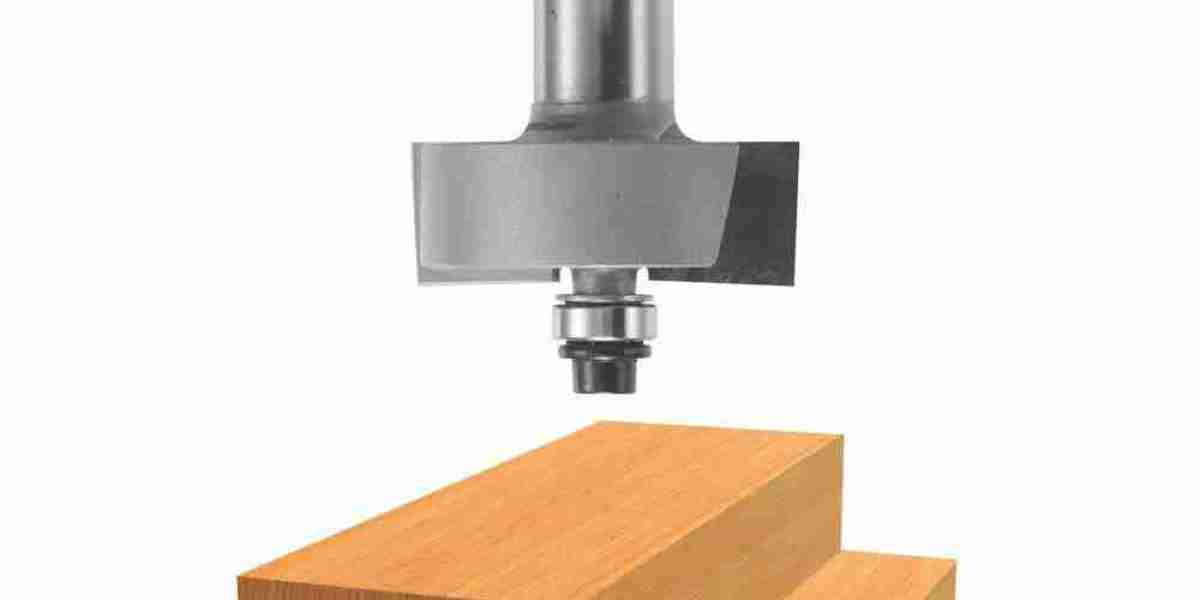

In contemporary woodworking, Fangda Woodworking Router Bits from the brand fangda-tools occupy a distinctive position between machinery and craftsmanship, acting as the unseen translators of intention into form. They do not merely remove material; they guide how light falls on edges, how joints feel to the hand, and how a maker's conceptual sketch gradually becomes a tangible object with character and continuity.
Behind every clean groove lies a conversation among geometry, rotational balance, and the wood's grain direction. When these elements align, resistance decreases and the cut feels fluid rather than forced. Craftsmen often describe this state as “listening” to the tool, adjusting feed rate and posture so the cutter works with the material instead of against it. Such sensitivity transforms routing from a mechanical step into a tactile dialogue.
Different profile families enable varied visual languages: gentle rounding that softens furniture edges, crisp channels that articulate panels, and sculpted contours that add depth to cabinets. The choice of profile is less about ornament and more about how shadows and touch will communicate quality to the eventual user. Thoughtful selection at this stage can elevate a simple board into a piece that invites closer inspection.
The substrate of a cutter influences heat management, wear behavior, and acoustic feedback during operation. Well-considered metallurgical treatment tends to produce steadier performance over extended sessions, reducing the need for frequent adjustments. Likewise, surface finishes on the cutting body can limit resin buildup, helping maintain consistent interaction with hardwoods and softer species alike.
Equally important is the relationship between the cutter and the router itself. Spindle stability, collet integrity, and base rigidity collectively determine how faithfully a profile is reproduced. When these components are in harmony, the maker gains confidence to attempt more intricate passes, knowing that the system will respond predictably rather than introduce unwanted vibration.
Technique remains a defining variable. Climb versus conventional cutting, incremental depth passes, and deliberate entry angles all shape the final surface. Experienced woodworkers often rehearse a path in the air before engaging the workpiece, visualizing hand position and movement to ensure continuity from start to finish. This preparation reduces error and reinforces a disciplined workflow.
Safe practice is not a constraint but a framework that enables creativity. Proper workholding, clear dust extraction, and awareness of body positioning allow the craftsman to focus on design decisions instead of risk mitigation. Over time, these habits become second nature, supporting longer, more productive sessions in the workshop.
Quality cutting tools also contribute to longevity and repairability of finished objects. Clean, accurate profiles simplify future refinishing or component replacement, extending the life of furniture and architectural elements. In this way, thoughtful routing aligns with a broader culture of making that values durability over disposability.
Collaboration between designers and toolmakers further shapes modern routing. Feedback from daily shop use informs subtle refinements in flute geometry, body mass, and overall feel. This iterative loop ensures that new products emerge not as isolated inventions but as responses to real-world challenges faced by professional and hobbyist makers alike.
Finally, routing should be seen as part of a holistic creative process. From initial material selection to final finishing, every stage influences the next. When cutting tools, machines, and human judgment operate in balance, the workshop becomes a space where precision and imagination coexist without conflict.
If your next project is waiting for a sharper point of view, let your browser travel to https://www.fangda-tools.com/ and see what new paths your workshop might take.