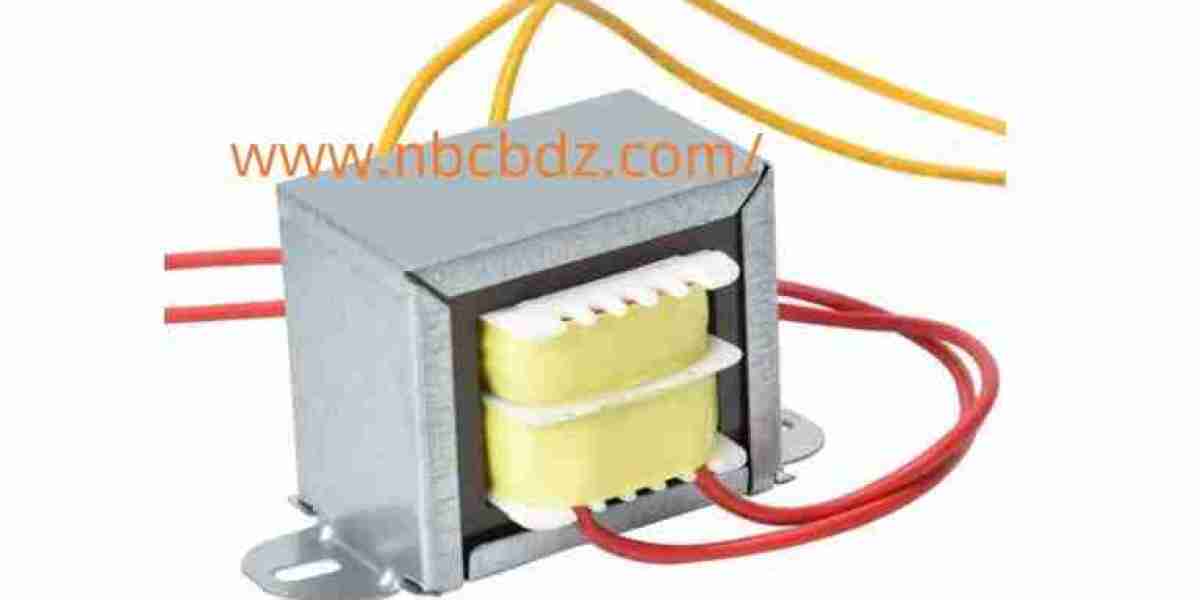

In the evolving landscape of industrial components, the role of a reliable Chuangbiao EI Transformer Factory becomes increasingly relevant, especially when paired with a focused brand vision such as Nbcbdz. This combination reflects a manufacturing mindset centered on structure, consistency, and thoughtful integration into varied electrical environments, setting the tone for how such facilities align with current market expectations.
Transformers remain essential in many electrical systems, not because of novelty, but due to their steady performance and adaptable design logic. Manufacturing facilities today emphasize process clarity, material handling discipline, and workflow coordination. These elements support predictable outcomes and help partners plan their own product development with confidence. The value lies not in speed alone, but in alignment between design intent and production execution.
Modern applications demand attention to details that are often unseen. Winding methods, insulation choices, and assembly sequencing all influence how components behave within larger systems. A factory environment that respects these subtleties can better respond to custom requirements while maintaining orderly operations. This approach supports long-term collaboration rather than one-time transactions.
Another defining aspect of contemporary manufacturing is communication. Clear technical dialogue, transparent progress updates, and mutual understanding of specifications contribute to smoother cooperation. When manufacturers and clients share a practical language around requirements and constraints, outcomes become more predictable and adjustments easier to manage. This shared clarity often proves as valuable as the physical product itself.
Sustainability considerations also shape daily decisions on the factory floor. Thoughtful material usage, controlled processes, and mindful logistics help reduce unnecessary complexity. These practices reflect a balanced view of responsibility, where efficiency and care for resources move together rather than compete.
As industries continue to refine their systems, the relevance of dependable component partners grows. Factories that focus on steady improvement, procedural awareness, and respectful collaboration are positioned to remain part of this ongoing evolution. Their contribution is measured through consistency and adaptability, qualities that quietly support broader technological progress.
If this perspective resonates with your current projects or planning, consider taking the next step. A closer look awaits at https://www.nbcbdz.com/product/ , where ideas turn into practical conversations and possibilities begin with a simple visit.