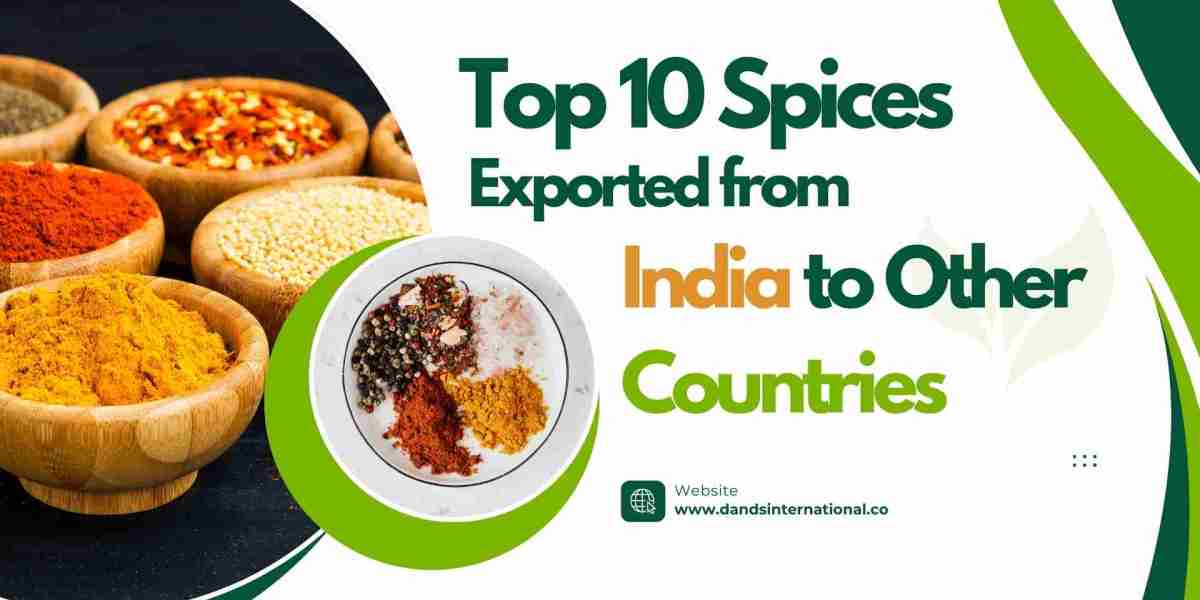

Indian spices are valued for their strong flavour, natural quality, rich aroma, and year-round availability. Thanks to diverse agro-climatic conditions and traditional farming practices, India consistently meets the growing global demand for premium spices.
With rising consumer preference for authentic, natural, and clean-label ingredients, spices export from India has become a trusted sourcing option for international buyers. The industry is supported by strict quality standards, advanced processing facilities, and export-ready supply chains. Exporters such as D&S International work closely with farmers, processors, and global buyers to ensure smooth sourcing and consistent supply.
Understanding the most traded spices from India helps global buyers make informed sourcing decisions and build long-term partnerships in the international food market.
Top 10 Spices Exported from India
India exports a wide variety of spices used in global cuisines, food processing, and retail markets. Below are the top 10 spices exported from India and why they are preferred worldwide.
1. Turmeric
Indian turmeric is globally renowned for its bright colour, earthy flavour, and natural medicinal properties. It is widely used in food processing, pharmaceuticals, nutraceuticals, and wellness products, making it a leading product in spices export from India.
2. Cumin Seeds
Indian cumin seeds are known for their strong aroma and consistent quality. They are heavily imported by Middle Eastern, European, and Asian markets for use in cooking, seasoning blends, and packaged foods.
3. Coriander Seeds
Coriander seeds from India are appreciated for their balanced flavour and long shelf life. They are widely used in spice powders, sauces, and ready-to-cook food products across global food industries.
4. Red Chilli
India exports a wide range of red chillies, from mild to highly pungent varieties. Indian red chilli is favoured worldwide for its vibrant colour, heat level, and versatility across different cuisines.
5. Black Pepper
Indian black pepper is prized for its bold flavour and high essential oil content. It is widely used in premium food products, seasoning blends, and packaged foods in international markets.
6. Cardamom
Indian cardamom is known for its rich aroma and distinct taste. It is commonly used in beverages, desserts, confectionery, and flavouring applications, especially in Middle Eastern and European markets.
7. Cloves
Indian cloves are exported for their strong aroma and multiple applications. They are used in food processing, spice blends, wellness products, and personal care industries worldwide.
8. Fenugreek Seeds
Fenugreek seeds from India are valued for both culinary and health benefits. They are widely imported by GCC and Asian countries for spice mixes, health foods, and traditional dishes.
9. Mustard Seeds
Indian mustard seeds are widely exported for use in sauces, edible oils, and seasoning products. Their robust flavour and consistent quality make them a preferred choice for global food manufacturers.
10. Fennel Seeds
India exports fennel seeds known for their sweet flavour and pleasant aroma. They are used in cooking, mouth fresheners, and digestive products across many international markets.
Why Indian Spices Are in High Global Demand
Indian spices enjoy strong global demand due to their quality, variety, and natural flavour profiles. Spices such as turmeric, cumin, coriander, and black pepper are widely used in food, beverages, pharmaceuticals, and wellness products worldwide.
India’s diverse climate and fertile soil contribute to superior aroma and consistent quality. Additionally, the country has a well-developed processing and export infrastructure. Indian exporters comply with international food safety standards, proper packaging norms, and export documentation requirements.
As global consumers increasingly prefer natural and authentic ingredients, Export Spices From India continues to grow across continents.
Key factors driving India’s spice exports include:
- Diverse climatic zones enabling cultivation of multiple spice varieties
- Strong global reputation for flavour, quality, and consistency
- Growing health-conscious markets favouring natural and organic spices
According to the Spices Board of India, export volumes and values have reached record levels in recent years, reinforcing India’s position as a trusted global supplier.
What Global Buyers Look for When Importing Spices from India
Price is not the only consideration for international buyers. Consistent quality is the top priority, ensuring uniform standards across every shipment. Buyers also look for proper grading, cleanliness, and controlled moisture levels to extend shelf life.
Food safety and regulatory compliance are equally important. Exporters who follow international certifications, hygiene standards, and transparent documentation are preferred. Packaging and labelling play a critical role, especially for bulk buyers and private-label brands.
Lastly, reliable supply and timely delivery are essential. Exporters with strong logistics expertise, seasonal availability planning, and market knowledge help minimise risks and build long-term sourcing relationships.
How to Select the Right Indian Spice Exporter
Choosing the right exporter is crucial for seamless and reliable spice imports. Global buyers should consider the following factors:
Quality and Consistency
Exporters must supply spices that meet international standards, with proper grading, cleaning, and moisture control for consistent quality.
Export Experience
Experienced exporters understand global trade regulations, buyer expectations, and market-specific requirements, ensuring smooth handling of large or repeat orders.
Food Safety and Compliance
Look for exporters who follow food safety practices, provide certifications, and maintain transparent export documentation to reduce regulatory risks.
Packaging and Customisation
Reliable exporters offer customised packaging solutions for bulk, retail, or private-label needs, ensuring freshness during transportation.
Supply Reliability and Logistics Support
On-time delivery is essential. Strong supply networks and efficient logistics planning ensure uninterrupted shipments.
Selecting an exporter with these capabilities helps build long-term, trust-based sourcing partnerships.
Top Markets for Indian Spices
India exports spices to over 200 countries worldwide. Some of the largest and most consistent markets include:
- United States
- United Arab Emirates
- Europe (Germany, Netherlands)
- Bangladesh
- China
These regions import both raw spices and value-added products, including powders and blended seasonings, creating strong opportunities for Indian spice exporters.
Conclusion
Indian spices continue to dominate the global food industry due to their quality, diversity, and rising international demand. For global buyers, selecting the right exporter ensures smooth sourcing, supply stability, and long-term business growth.
At the same time, India offers excellent opportunities for businesses looking to enter the spice export market. If you already hold an IEC certification and are ready to expand globally, now is the right time to take the next step.
Connect with D&S International to explore export opportunities and build reliable international trade partnerships.