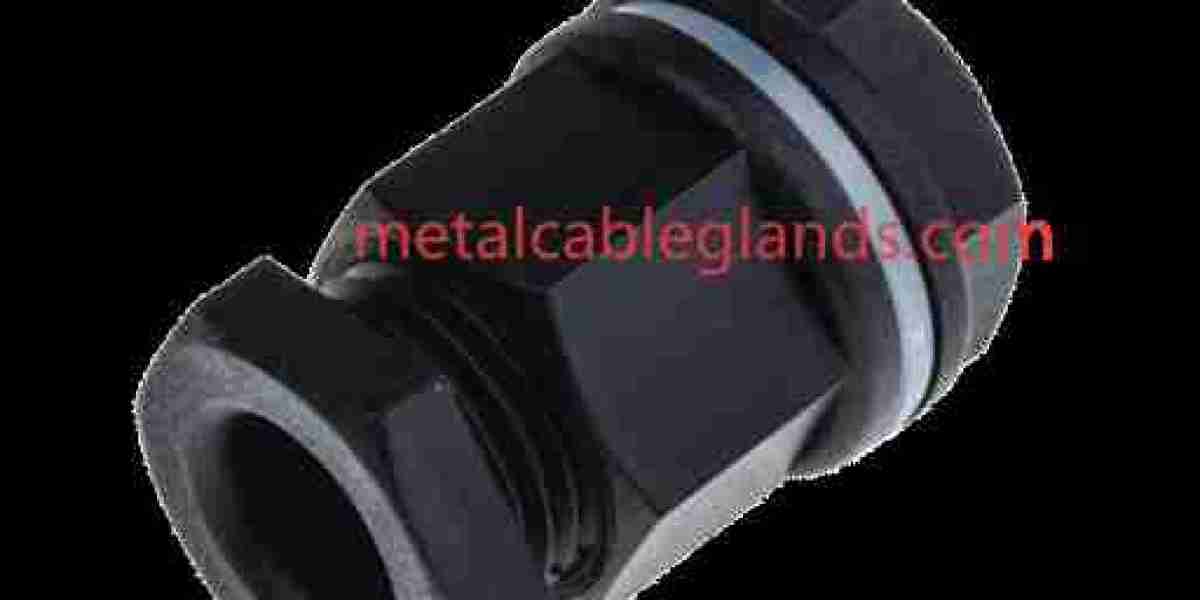

In modern electrical installations, material adaptability is increasingly important, and when system designers choose solutions such as Plastic Cable Gland products, they are often responding to the need for lightweight structure, flexible integration, and consistent functional behavior within enclosed wiring systems. Plastic-based cable entry components offer a distinct design philosophy that emphasizes adaptability and system compatibility rather than rigid structural dominance.
Material Characteristics of Plastic in Cable Gland Manufacturing
Plastic materials used in cable gland manufacturing are valued for their versatility and controlled performance characteristics. Unlike metals, plastic allows for engineered flexibility that supports stable engagement with cables without introducing excessive mechanical stress. This property is particularly useful in applications where cable jackets require gentle but reliable retention.
Another important characteristic of plastic is its resistance to environmental interaction that does not rely on surface treatments. Plastic does not oxidize in the same way as metal, which allows it to maintain a consistent appearance and surface condition over long periods of use. This stability supports predictable behavior at enclosure entry points, helping maintain orderly cable routing.
Manufacturers such as Zhejiang Hongjuesi Connector Co., Ltd. focus on material consistency to ensure plastic components perform reliably across different application environments. Through controlled material selection and structured production processes, plastic cable glands can deliver dependable performance aligned with real-world installation demands.
Core Functional Role in Cable Entry Systems
The primary function of a cable gland is to guide and secure cables as they pass into electrical enclosures. Plastic cable glands support this function by providing a stable yet forgiving interface that adapts to cable movement without compromising enclosure integrity. This balance helps protect cable jackets from unnecessary abrasion while maintaining secure positioning.
Plastic housings also provide effective structural support for internal sealing elements. By maintaining consistent form under routine operational conditions, plastic cable glands help ensure sealing components remain properly seated. This supports enclosure cleanliness and reduces the likelihood of external contaminants affecting internal electrical systems.
Performance Behavior and Mechanical Balance
Performance consistency is a defining factor in cable gland selection. Plastic materials offer predictable mechanical behavior that supports repeated installation and adjustment without degradation. This characteristic is especially useful in systems where cables may need to be repositioned during maintenance or system expansion.
Plastic cable glands distribute mechanical pressure evenly around the cable surface, helping reduce localized stress points. This contributes to long-term cable protection and supports stable system operation. Zhejiang Hongjuesi Connector Co., Ltd. integrates this performance balance into its plastic cable gland designs, aligning product behavior with practical system needs.
Installation Efficiency and Handling Advantages
Ease of installation plays a significant role in component selection. Plastic cable glands are lightweight and easy to handle, allowing installers to work efficiently without compromising accuracy. Their predictable threading and engagement characteristics support controlled tightening and consistent seating within enclosures.
The forgiving nature of plastic materials also helps reduce the risk of installation-related damage. This supports reliable outcomes across varied installation skill levels and project scales. As a result, plastic cable glands are commonly chosen for projects where efficiency and consistency are prioritized.
Application Fields and Practical Use Cases
Plastic cable glands are widely applied in industries that value adaptability and system compatibility. Commercial buildings, control panels, automation systems, and light industrial environments frequently incorporate plastic-based cable entry solutions to support organized wiring and enclosure protection.
In these applications, plastic cable glands integrate smoothly into enclosure systems made from various materials. Their neutral interaction with surrounding components allows them to support diverse electrical layouts without introducing compatibility concerns. This versatility makes them suitable for both new installations and system upgrades.
System Design Flexibility and Long-Term Use
Electrical systems evolve over time, and components that support flexibility help extend system lifespan. Plastic cable glands allow designers to accommodate future cable changes without requiring extensive reconfiguration. Their stable performance characteristics support long-term system planning and incremental expansion.
Rather than emphasizing rigidity, plastic cable glands contribute to system resilience by allowing controlled movement and adjustment. This design approach aligns with modern electrical infrastructure, where adaptability is increasingly valued alongside reliability.
Supporting Reliable Cable Management Solutions
Selecting the right cable gland material influences the overall reliability of an electrical system. Plastic-based designs provide a balanced approach that supports secure cable entry, effective sealing, and efficient installation. When integrated thoughtfully, Plastic Cable Gland solutions help maintain orderly cable management without adding unnecessary complexity.
Zhejiang Hongjuesi Connector Co., Ltd. continues to refine plastic cable gland offerings to meet evolving industry expectations, focusing on material consistency, functional stability, and practical application needs. For more information on plastic cable gland products and related connector solutions, please visit
https://www.metalcableglands.com/product .