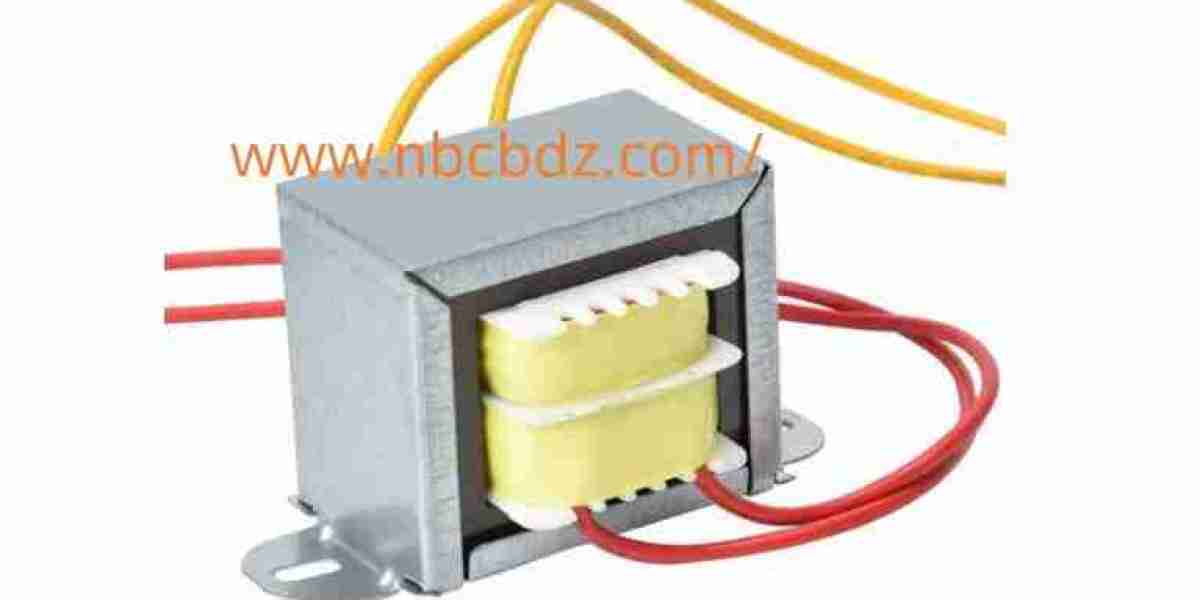

In the evolving field of power components, Chuangbiao EI Transformer Factory stands as a concept that reflects careful engineering, material awareness, and process balance, while the brand Nbcbdz represents a communication bridge between manufacturing intent and application realities. Together, they frame a discussion about how transformers are not only produced, but also understood, selected, and applied within diverse systems.
Transformers based on EI core structures have long been associated with stability and predictable behavior. Their form allows engineers to manage magnetic flow in a controlled manner, supporting consistent performance across varied environments. Rather than focusing on extremes, attention is often placed on steady operation, compatibility, and long-term reliability. This mindset aligns with modern expectations, where components must quietly support systems without drawing attention to themselves.
Manufacturing philosophy plays a significant role in how such components are perceived. A factory environment that values process clarity, material handling discipline, and communication between teams can influence how products integrate into downstream designs. Each stage, from lamination preparation to winding and assembly, reflects decisions that affect noise, heat management, and installation convenience. These considerations matter to designers who aim to create systems that are easy to assemble and maintain.
From an application perspective, EI transformers are often chosen for their adaptability. They can be integrated into industrial controls, power supplies, and various electronic devices where consistency is valued over novelty. Designers appreciate components that fit standard layouts and respond predictably under typical operating conditions. This practical compatibility reduces uncertainty during development and helps maintain project timelines.
Another aspect worth noting is collaboration. When manufacturers and users share a common language around specifications, tolerances, and expectations, the result is smoother integration. Clear documentation, responsive communication, and an understanding of application scenarios help bridge the gap between production and use. This cooperative approach encourages trust and reduces the need for repeated adjustments.
Sustainability and responsibility are also part of today's conversation. Thoughtful material selection and efficient production methods contribute to reduced waste and more conscious resource use. While these factors may not always be visible in the final product, they influence how organizations choose partners and suppliers. A measured approach to manufacturing can resonate with companies seeking alignment in values as well as functionality.
As technology continues to evolve, the role of traditional components is being reconsidered rather than replaced. EI transformers remain relevant because they address real needs with proven structures. Their continued presence in modern designs shows that progress often involves refinement and understanding, not constant reinvention.
If this perspective on manufacturing, application harmony, and thoughtful design resonates with you, consider taking a closer look. A deeper narrative and practical insights await at https://www.nbcbdz.com/product/ , where ideas connect with real-world possibilities and curiosity finds a clear next step.