
Lahore’s status as the primary educational hub of Pakistan exerts a significant influence on its urban geography and real estate micro-markets. With tens of thousands of students, faculty members, researchers, and administrative professionals relocating to the city annually, the demand for modern, secure, and accessible housing near major academic institutions has expanded rapidly. Historically, student housing and academic accommodation relied on traditional hosteling or suburban horizontal home rentals. However, shifting demographic preferences, safety requirements, and utility expectations have shifted this demand toward structured vertical developments.
For real estate market participants, urban planners, and individual investors, understanding the rental and capital dynamics of apartments near universities in Lahore requires a detailed analysis of spatial accessibility, tenant demographics, utility infrastructure, and long-term asset management.
Academic Corridors and Urban Density Dynamics
The concentration of higher education campuses along specific transportation belts has created distinct high-demand residential pockets across Lahore.
The Raiwind Road & University Belt Corridor
Over the last decade, Raiwind Road and its connecting arterial networks have emerged as Lahore's central academic corridor. Hosting major institutions such as the University of Lahore (UOL), COMSATS University, Superior University, and Beaconhouse National University (BNU), this belt experiences high daily commuter traffic and sustained housing demand.
The concentration of campuses along Main Raiwind Road has accelerated the need for high-density vertical housing nearby. Multi-story residential developments situated within master-planned enclaves, such as Etihad Town Phase 1, allow students and faculty to minimize daily commute times while maintaining access to central urban centers via the Lahore Ring Road network.
Shifts in Tenant Preferences
Modern academic residents—including postgraduate scholars, overseas students, visiting faculty, and young corporate professionals working within university ecosystems—prioritize specific living conditions:
Private, Self-Contained Living: A transition away from shared, unorganized dormitories toward private, smart-automated studio and residential suites.
Integrated Safety & Security: High priority placed on gated access, biometric authentication, and 24/7 physical security.
Utility Continuity: Reliance on heavy-duty backup power systems to support uninterrupted study and digital work environments.
Due Diligence Framework for Student and Faculty Housing Projects
Investing in or acquiring vertical real estate within educational corridors requires evaluating project parameters against specific operational and legal standards.
1. Legal Approvals and Regulatory Compliance
Verifying municipal authorization remains the primary step in real estate risk mitigation. Approval from the Lahore Development Authority (LDA) guarantees clear land title, compliance with structural and fire safety regulations, and legal provisioning of municipal utilities. LDA-approved developments ensure asset liquidity and protect against construction halts.
2. Micro-Location and Commute Efficiency
Proximity alone is insufficient; infrastructure connectivity dictates true tenant demand. Properties located along major arterial roads with paved feeder networks ensure short commute times to multiple campuses, directly impacting occupancy rates and rental stability.
3. Facilities and Operational Management
High-density residential buildings serving academic populations require structured facility management. Dedicated parking, high-speed passenger elevators, continuous security monitoring, and on-premises commercial facilities significantly enhance tenant retention.
Case Study Analysis: Summit Heights on Main Raiwind Road
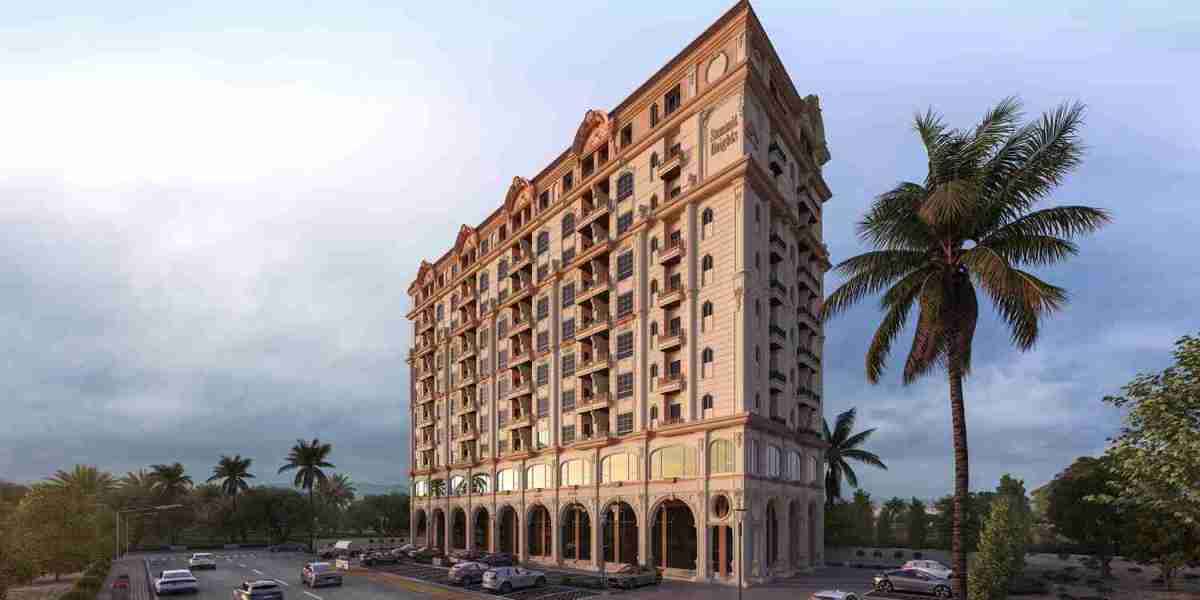
An example of modern mixed-use vertical development situated within Raiwind Road’s academic belt is Summit Heights, developed by Summit Estate & Builders. Located in Etihad Town Phase 1, this LDA-approved 10-story high-rise combines luxury retail showrooms, corporate office space, and smart-automated residential suites within a single building structure.
An objective examination of its location and operational design illustrates key characteristics relevant to academic housing demand:
Strategic Proximity: Positioned along Main Raiwind Road, the project provides direct travel routes to major university campuses located along the corridor, as well as fast transit loops via the Ring Road.
Structured Financial Mechanics: The project utilizes a 4.5-year payment plan, distributing financial outlays over extended schedules. Furthermore, the 70% possession threshold allows buyers to occupy or deploy units for rental yield generation prior to final installment maturity.
Built-In Utility Infrastructure: Features such as dual backup power generators, biometric security controls, multi-level parking, and on-site dining options address the functional requirements of university faculty, researchers, and families.
Yield Mechanics and Rental Market Stability
Analyzing real estate assets within educational hubs reveals distinct financial performance metrics compared to purely suburban residential zones:
Low Vacancy Rates: The continuous annual influx of academic cohorts creates consistent tenant demand, reducing extended vacancy periods between lease cycles.
Predictable Rental Yields: Multi-unit or compact apartment layouts near major universities generate stable cash-on-cash returns, supported by demand from faculty, corporate researchers, and student groups.
Capital Appreciation: As the commercial and educational density of belts like Raiwind Road matures, underlying land values and built infrastructure track broader urban capital appreciation trends.
Conclusion
The market for apartments near universities in Lahore is driven by permanent demographic shifts, urban consolidation, and the demand for functional, secure vertical living. As horizontal expansion becomes less practical, well-connected, LDA-approved developments along established corridors like Raiwind Road provide a viable model for both residential occupancy and institutional investment. Evaluating these assets through a lens of legal compliance, transport access, and operational quality enables market participants to make informed, data-driven decisions.