
I opened Block Blast thinking I'd play for maybe ten minutes. It looked straightforward enough—drag some blocks onto a grid, clear some lines, done. But here's the thing: it looked simple right up until my board started looking like a game of Jenga gone wrong, and I realized I'd made several moves that seemed logical at the time but turned out to be terrible decisions in disguise.
The premise sounds deceptively easy
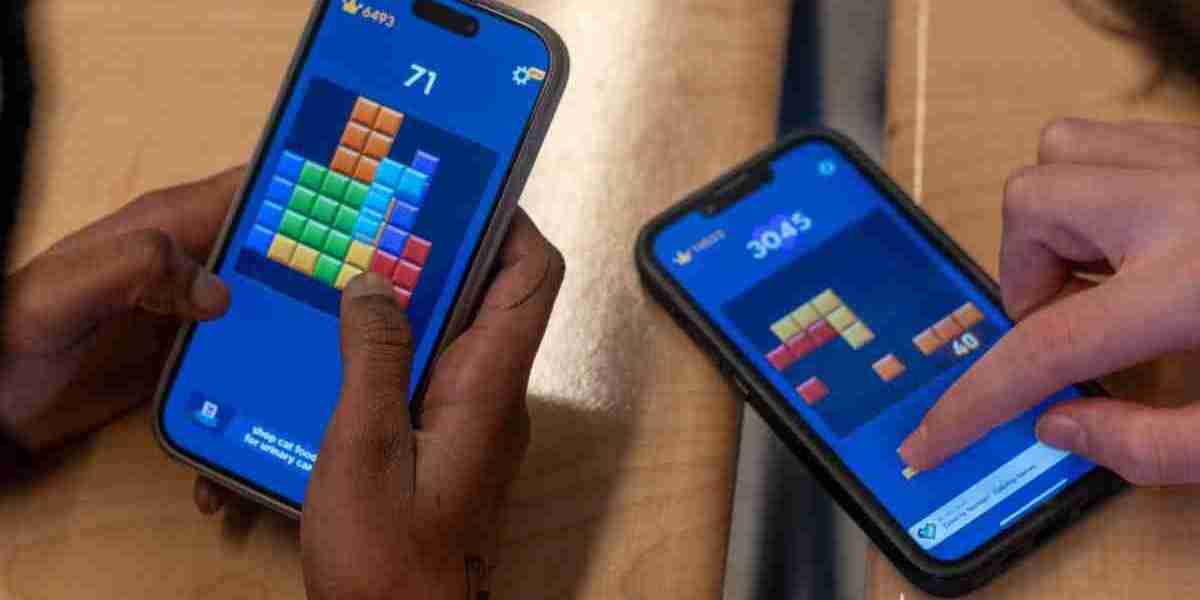
The basic idea is that you get colorful block shapes at the bottom of your screen, drag them onto a 9x9 game board, and complete full rows or columns to clear them. That's it. No countdown timer stressing you out, no pieces falling from above, no pressure. You just think about your move, place it, and then think about the next one.
Which should feel relaxing. And honestly, it does at first.
But then you keep playing, and you realize that simplicity is a trap.
When placing blocks becomes actually tricky
The early rounds are forgiving. I'd throw blocks around without much thought, and things kept clearing fine. I wasn't thinking several moves ahead or anything—I was just placing what felt right. Then I'd clear a line, feel good about it, and move on.
That lasted until my board started getting crowded.
The first time I really got stuck, it caught me off guard. I had three available block pieces waiting to be placed, and none of them could fit on what was left of my board. The game ended, and I stared at this awkward little configuration of gaps and wondered how I'd gotten there. There were open spaces, but they weren't the right shape. The gaps were too small, too scattered, too isolated.
That's when it clicked: I couldn't just place blocks to clear lines. I had to keep big open areas available for future pieces. Small, trapped gaps are basically dead space. And I'd accidentally created a bunch of them without realizing.
Learning the hard way that planning matters
My next few rounds were me trying to be more careful. I'd look at the available pieces as a group before I placed the first one, thinking, "Okay, if I put this here, then this piece fits there, and then..." It's the difference between playing and actually strategizing.
And yeah, it's way slower. But it works.
I started noticing patterns. Pieces that seemed awkward at first glance would actually solve a problem I hadn't considered yet. Placements that looked like they saved space ended up creating isolated pockets that haunted me later. The goal wasn't just to clear lines—it was to clear lines while keeping my board flexible enough for whatever pieces came next.
The best moments were when one placement cleared multiple rows or columns at once. There's something genuinely satisfying about dropping a single piece and watching a whole chain of lines disappear. It doesn't happen every round, but when it does, you feel like you actually earned it.
My biggest mistakes (and what I learned)
I played too fast early on. I'd see an obvious spot for a piece and place it immediately without checking if there was a smarter option. "Obvious" moves usually aren't the best moves, I found.
I also didn't respect the no timer mechanic. The whole point is that you can take your time, but I was still rushing like I was being chased. Once I slowed down and actually planned, I could see two or three moves ahead, and that changed everything. I went from regular losses to runs that lasted way longer.
The other thing: I treated the corners and edges of the board as places to dump difficult pieces. That backfired constantly. Now I think of them as strategic positions—sometimes useful, but also easier to get stuck with.
A few casual tips I wish I'd known
Before placing anything, look at all three available pieces and think about what might come next. You can't predict it perfectly, but you can make smarter choices about which piece to place first.
Keep open space. Seriously. This should be obvious, but it isn't—not until you've been cornered by your own poor decisions a few times. One big open area is better than multiple small ones.
Don't chase every clear. Sometimes skipping a line clear and positioning differently sets you up for a massive multi-line clear later. It takes practice to see it, but it's worth it.
Why I keep "one more game"-ing at Block Blast
Part of it is that no countdown timer thing. There's no stress, no clock ticking down. You just play at your own pace and think as much as you need to. After a long day, that's actually really nice.
But mostly I keep coming back because each round teaches me something. I make a mistake, lose, analyze what went wrong, and start over knowing a bit more. The game never changes, but my approach keeps evolving. It's that "okay, I see it now" feeling that keeps pulling me back.
If you like puzzles, just try it
Block Blast isn't complicated, but it is engaging. It looks simple, plays at your own pace, and gets genuinely challenging once you take it seriously. If you've ever enjoyed a puzzle game that makes you think two steps ahead, this one's worth your time.
Come play it and see if you get stuck the same way I did. I'm betting you'll accidentally create a tiny trapped gap somewhere and spend the next round figuring out how to avoid doing that again. And then you'll want to play another round.
Fair warning: you'll probably tell yourself "just one more game" and suddenly it's been a while.
Let's see who can keep the board open longer.