
Meeting Modern Metalwork Requirements
Metalwork plays an important role in construction, agriculture, commercial properties, and industrial operations. Custom metal components can provide structural support, protection, storage, and practical functionality. However, each project can have different dimensions and performance requirements. Careful planning and skilled workmanship help ensure that fabricated components fit their intended purpose and provide dependable service over time.
Creating Custom Metal Components
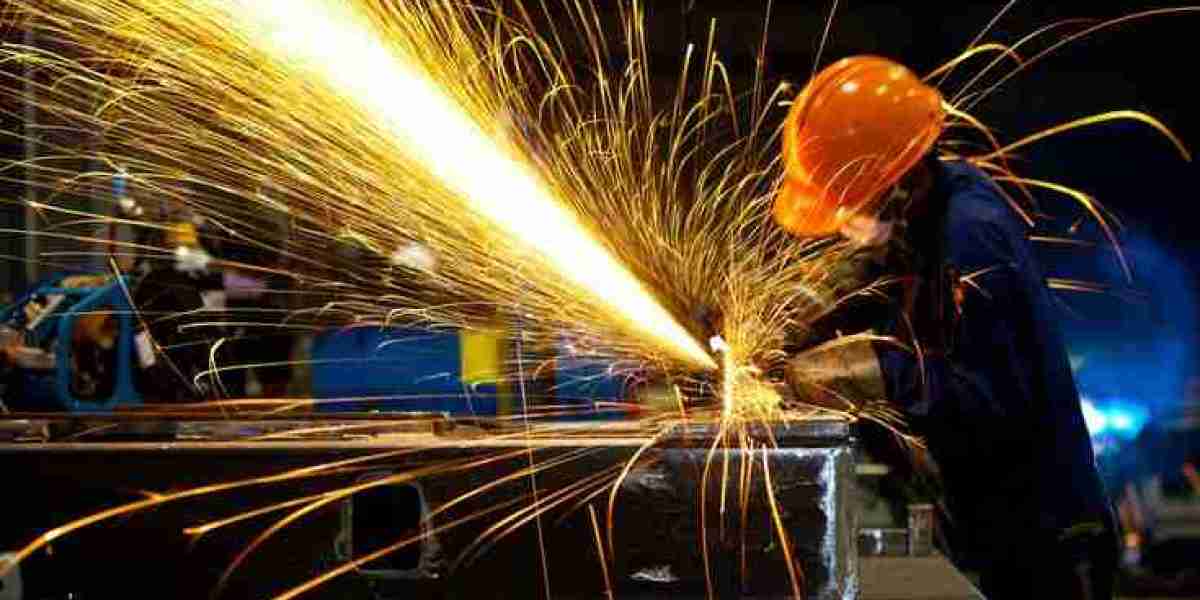
Reliable Welding & Fabrication Services in Andale KS can help property owners and businesses develop metal solutions based on specific project requirements. Fabrication may include cutting, bending, drilling, shaping, and assembling metal pieces. Welding connects those components into a finished structure. This process allows individual parts to be created around available space, required dimensions, and the intended function of the completed project.
Selecting the Right Materials
Choosing suitable materials is an important part of metal fabrication. Steel is commonly used when strength and durability are important. Stainless steel can be useful in applications where corrosion resistance is needed. Aluminum provides a lighter alternative for projects where reducing weight matters. The environment, expected workload, installation location, and maintenance requirements should all be considered before selecting the material for a specific application.
Focusing on Accurate Measurements
Precise measurements can make fabrication and installation much easier. A component that is too large or too small may require additional modifications before it can be installed correctly. Measurements should be checked carefully before materials are cut or shaped. Detailed planning also helps reduce waste and prevents avoidable delays. When custom pieces need to fit an existing structure, accuracy becomes even more important.
Building Dependable Welded Connections
Welding creates strong connections between metal components when the correct process and preparation are used. Before welding begins, surfaces should be prepared properly to support clean and consistent joints. The welding technique should also match the material and project requirements. Finished connections can be examined for visible problems. Careful attention to preparation and workmanship can contribute to reliable performance under normal working conditions.
Supporting Construction Projects
Construction projects often depend on fabricated metal for both functional and structural purposes. Custom frames, brackets, railings, gates, stairs, platforms, and supports can all be produced according to project specifications. Fabrication allows these components to be adjusted to the dimensions of a particular building or worksite. Properly prepared metalwork can also make installation more organized and help different components work together effectively.
Serving Agricultural and Commercial Properties
Farms, warehouses, workshops, and commercial facilities can have specialized metalwork requirements. Custom gates, equipment supports, storage racks, barriers, protective structures, and other components can be designed for specific uses. Fabrication provides flexibility when standard products do not provide the desired size or configuration. This can be particularly useful for properties where equipment, available space, or operational requirements call for customized solutions.
Repairing Existing Metalwork
Not every project requires completely new construction. Existing metal components can develop cracks, corrosion, damaged joints, or other problems after prolonged use. Depending on their condition, individual sections may be repaired or replaced instead of removing the entire structure. A careful assessment can help identify the affected areas and determine the appropriate repair method. Proper repairs can restore functionality and extend the useful life of suitable metalwork.
Finishing and Protecting Metal
After fabrication and welding are completed, the finishing process can improve both appearance and protection. Grinding may help smooth certain surfaces, while painting or protective coatings can provide additional resistance against environmental exposure. The appropriate finish depends on where the component will be installed and how it will be used. Outdoor structures may require different protection from indoor equipment or components used in demanding work environments.
Planning for Long-Term Performance
A successful metalwork project begins with clear information. Dimensions, materials, design details, installation requirements, and intended use should be established before fabrication starts. This helps reduce unnecessary changes and keeps the work aligned with the project's purpose. With suitable materials, accurate measurements, proper welding techniques, and appropriate finishing, custom metal components can provide practical and durable solutions for many residential, commercial, agricultural, and industrial needs.