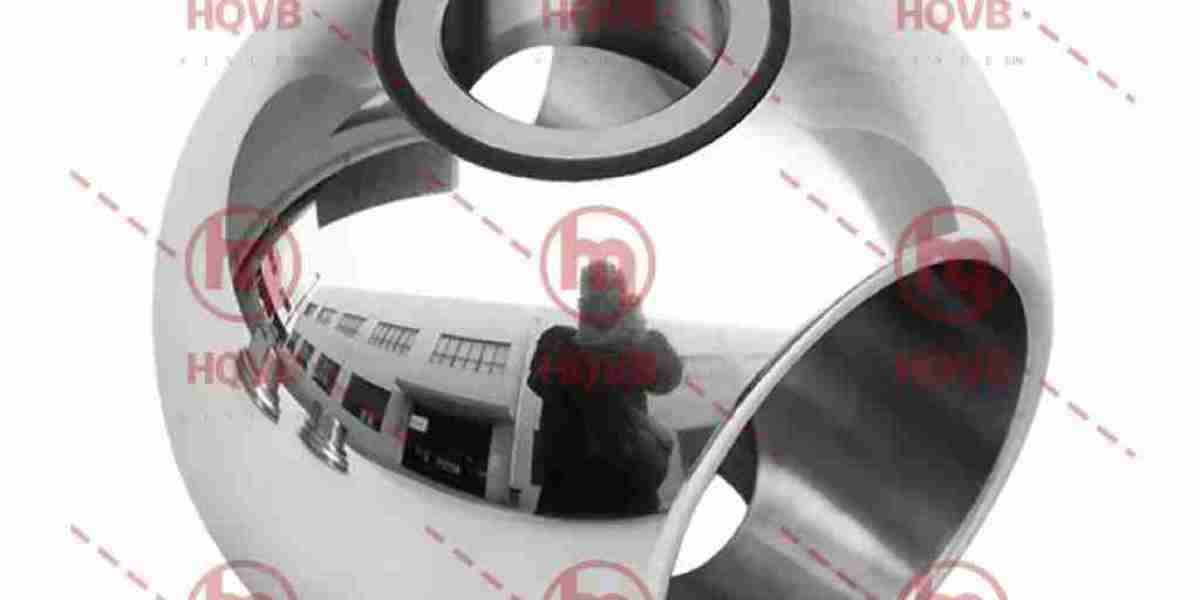

Ball Valve Ball selection should begin with a clear understanding of project requirements, technical specifications, and operating conditions. Buyers need to review materials, dimensions, surface treatment, processing methods, inspection procedures, and customization possibilities before confirming cooperation. A complete evaluation helps purchasing teams choose suitable components and establish clearer communication with suppliers.
Define The Application Requirements
Before purchasing, buyers should first understand where the component will be used and what conditions it needs to handle. Different systems may involve different pressure levels, temperature ranges, media types, and operating environments.
Providing detailed application information helps suppliers recommend suitable options. Buyers can prepare technical drawings, product references, quantity requirements, and expected delivery schedules before requesting quotations.
This information allows both sides to discuss practical requirements and avoid problems caused by incomplete specifications.
Review Material Information
Material selection plays an important role in component purchasing. Buyers should ask about available materials, processing methods, and related technical information before confirming an order.
The selected material should match the intended working conditions. Factors such as corrosion resistance, operating environment, and contact conditions may influence the choice.
ballvalveballs communicates with customers according to different project requirements and provides product information based on application details. Clear discussions help buyers compare available solutions before production begins.
Check Size And Technical Specifications
Accurate dimensions are necessary for proper assembly. Buyers should carefully review measurements, tolerance ranges, drawings, and other technical requirements.
A complete drawing can serve as a reference during quotation, sample preparation, manufacturing, and inspection. For customized requirements, detailed technical documents can help reduce misunderstandings.
When buyers purchase multiple sizes or models, organizing specifications in a clear format can make communication and order management easier.
Evaluate Surface Treatment Requirements
Surface condition is another detail buyers should consider. Different applications may require specific finishing methods, appearance standards, or surface characteristics.
Before production, customers should confirm requirements related to polishing, treatment methods, smoothness, and visual appearance.
Sample checking can be useful when buyers need to confirm surface details before larger quantities are produced. This process allows both sides to agree on expected results in advance.
Understand Production Procedures
Learning about production procedures helps buyers understand how orders are managed. They can ask about machining processes, production steps, inspection points, and preparation methods.
For customized orders, production communication becomes especially important. Clear information about drawings, quantities, and technical requirements allows suppliers to arrange manufacturing more effectively.
A documented production process can also help buyers understand how specifications are followed during manufacturing.
Consider Inspection And Quality Control
Inspection procedures should be discussed before cooperation. Buyers can ask which details are checked during production and before shipment.
Inspection may include dimensions, appearance, material information, and other agreed requirements. A clear checking process provides a common reference for both parties.
For repeat orders, maintaining approved specifications and inspection records can help simplify future purchasing communication.
Review Customization Options
Some projects require adjustments based on specific designs. Buyers may need customized sizes, materials, surface treatments, or packaging methods.
When requesting customized products, customers should provide complete information, including drawings, application conditions, expected quantity, and delivery requirements.
ballvalveballs supports discussions based on customer requirements and technical information. Early communication allows buyers and suppliers to confirm important details before production planning.
Check Packaging And Delivery Details
Packaging information should also be reviewed before shipment. Buyers can confirm package quantity, labeling requirements, protective methods, and transportation arrangements.
For international orders, delivery planning is an important part of purchasing management. Clear information about shipment details can help customers arrange receiving schedules and warehouse preparation.
A complete order record containing specifications, quantities, packaging details, and delivery information can improve coordination between both sides.
Create A Practical Purchasing Checklist
A detailed checklist can help buyers review important factors before cooperation. Materials, dimensions, drawings, processing requirements, inspection procedures, customization needs, packaging, and delivery plans should all be considered.
For customers looking for more product information and available solutions, visit https://www.ballvalveballs.net/ to review options according to your project requirements. A careful evaluation process can help buyers build a more organized purchasing plan and establish cooperation based on clear technical communication.