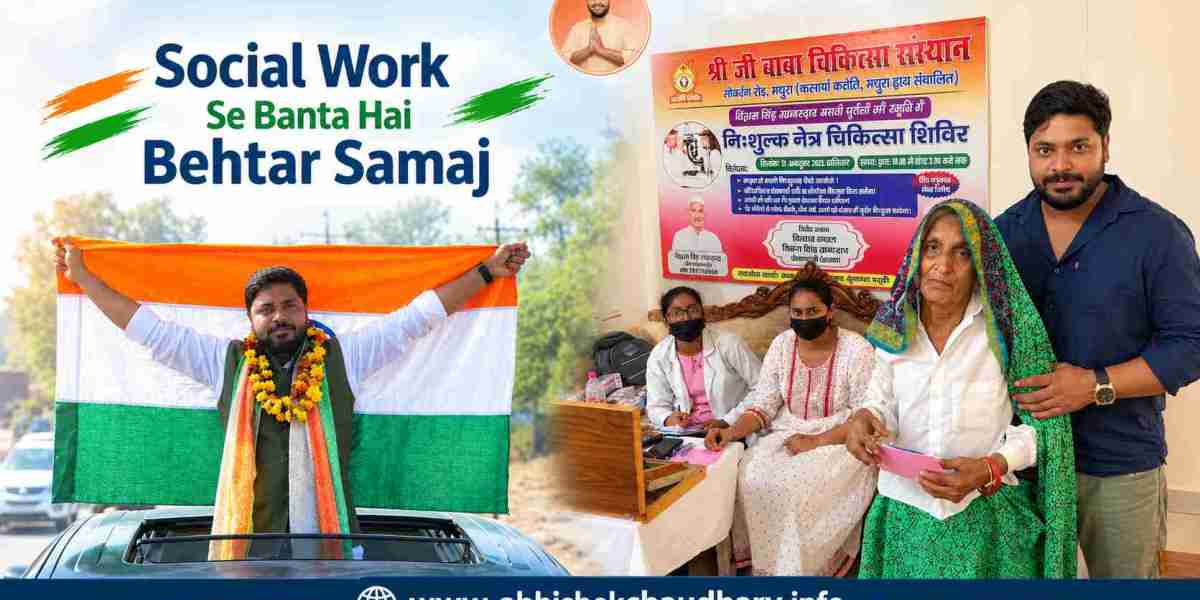

A strong community is built when people are willing to help others, especially during difficult times. Social workers play an important role in making this possible. They work with individuals, families, and communities to understand their problems, connect them with useful resources, and encourage positive change.
But what exactly does a social worker do? Is their work limited to helping people in need? Not at all. Social work covers many areas, including education, healthcare, employment, child welfare, women’s empowerment, community development, and support for vulnerable people.
What Is a Social Worker?
A social worker is a person who works to improve the well-being of individuals and communities. Their work often involves listening to people, understanding their challenges, providing guidance, and connecting them with appropriate support.
Social workers may work independently, with nonprofit organizations, government programs, schools, hospitals, or community groups.
Their goal is simple: help people overcome challenges and create better opportunities for themselves and their communities.
What Does a Social Worker Do?
The responsibilities of a social worker can vary depending on the community and the problems they are addressing. Some common responsibilities include:
- Helping people understand and access government welfare schemes
- Supporting families facing financial or social difficulties
- Promoting education and awareness
- Helping people access healthcare services
- Supporting children, women, senior citizens, and vulnerable groups
- Organizing community programs and awareness campaigns
- Connecting people with employment and skill-development opportunities
- Listening to community concerns and helping identify practical solutions
A social worker does not always solve a problem directly. Sometimes, their most important role is to connect the right person with the right support at the right time.
How Do Social Workers Help Communities?
Community development requires more than infrastructure. It also requires people who understand local needs and encourage residents to participate in positive change.
Social workers can contribute by identifying problems that may otherwise be overlooked. For example, a community may need better access to education, healthcare, clean drinking water, employment opportunities, or awareness about public services.
They can then work with residents, organizations, and local institutions to find practical ways forward.
Key Areas Where Social Workers Make a Difference
1. Education
Social workers can encourage children and young people to continue their education. They may also help families understand available educational resources and opportunities.
2. Healthcare
Healthcare awareness is another important area. Social workers can help organize health camps, spread information about preventive care, and guide people toward appropriate healthcare services.
3. Women’s Empowerment
Supporting women through education, awareness, skill development, and access to opportunities can strengthen entire families and communities.
4. Youth Development
Young people can become powerful contributors to society when they have access to education, skills, employment opportunities, and positive guidance. Social workers can help create programs that encourage youth participation.
5. Support for Vulnerable People
Some individuals may struggle because of poverty, disability, social isolation, or other challenges. Social workers can help them understand their options and connect with available support systems.
What Qualities Should a Good Social Worker Have?
Social work requires more than good intentions. It requires patience, responsibility, communication, and a genuine understanding of people.
Important qualities include:
- Empathy: Understanding what others may be experiencing.
- Patience: Listening carefully without rushing to judgment.
- Communication: Explaining information clearly and respectfully.
- Problem-solving: Looking for practical and realistic solutions.
- Responsibility: Following through on commitments.
- Teamwork: Working with communities, organizations, and institutions.
- Respect: Treating every person with dignity.
These qualities help build trust, which is one of the most valuable parts of community work.
Social Work at the Local Level
Social work becomes especially meaningful when it responds to real local needs. In a place like Mathura, community-focused efforts can involve education, healthcare, youth development, women’s empowerment, employment awareness, and basic public facilities.
People searching for a Social Worker In Mathura may be looking for someone who understands local challenges and is willing to engage directly with the community.
For example, Abhishek Chaudhary is associated with community-focused initiatives and public-service activities in Mathura. His work and public engagement reflect the broader idea that local leadership can involve listening to residents, understanding everyday concerns, and supporting practical community initiatives.
Why Is Social Work Important?
Social work matters because many community problems cannot be solved by one person or one organization alone. Progress often depends on cooperation between residents, local institutions, nonprofit organizations, and public representatives.
A social worker can help bring these different groups together. By encouraging communication and participation, they can help communities move from simply identifying problems to working toward solutions.
Most importantly, social work reminds us that meaningful change can begin with something as simple as listening to people and taking their concerns seriously.
Conclusion
A social worker is more than someone who helps people during difficult situations. They can be a guide, advocate, listener, coordinator, and community builder.
Whether the focus is education, healthcare, youth development, women’s empowerment, employment, or social welfare, their contribution can help people access opportunities and become more involved in improving their communities.
In the end, effective social work is about creating positive change with people—not simply for them. When communities participate, support one another, and work toward practical solutions, even small efforts can create a lasting difference.