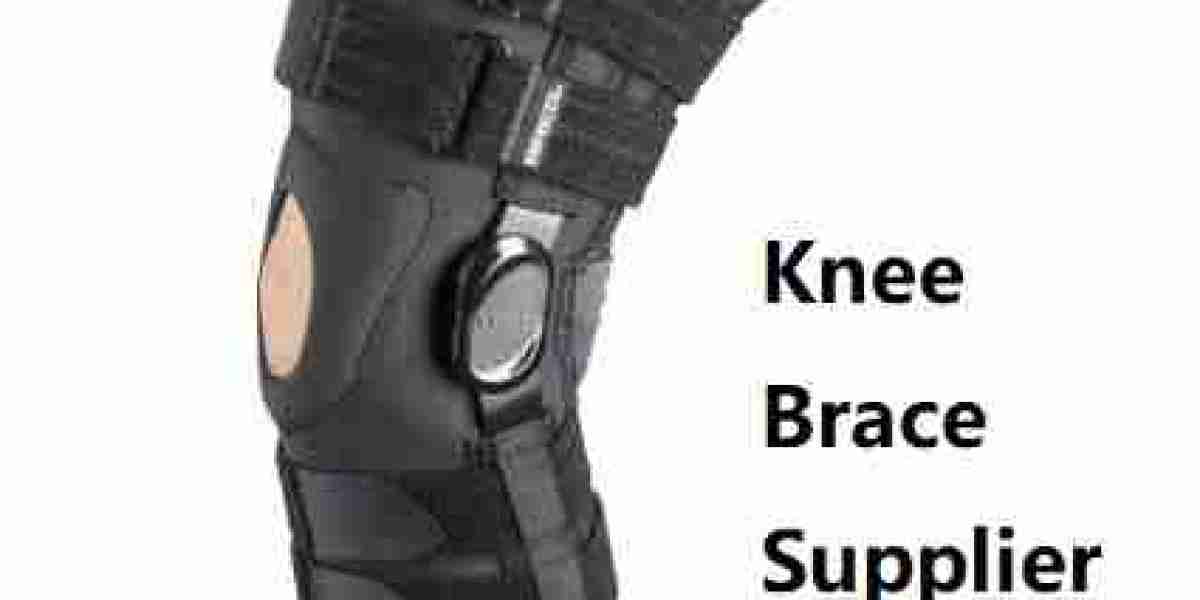

When a Knee Brace Factory becomes part of a product project, manufacturing is only one part of the conversation. Steriger combines product development with practical production thinking, helping businesses consider materials, construction, customization, and intended use from the early stages of a project. This creates space for ideas to develop naturally while keeping the final product connected to real user needs.
A thoughtfully designed support product begins with its purpose. Is it intended for sports activities, daily movement, recovery-related applications, or general comfort? Each application can influence the way a product is shaped and constructed. Considering these questions early can help businesses create a clearer direction before selecting materials or finalizing design details.
Fabric is another important consideration. The feel and behavior of a textile can influence flexibility, softness, breathability, and overall comfort. Different applications may call for different material characteristics, so careful selection can become an important part of product development. The right fabric should complement the intended structure rather than simply add visual appeal.
Manufacturing craftsmanship also has a close relationship with product design. Stitching, shaping, elastic components, fabric placement, and finishing details can all influence how a wearable support feels during use. When design and production are considered together, small construction decisions can become meaningful parts of the finished product.
For brands developing customized products, flexibility during the development stage can be particularly useful. Product concepts may involve specific colors, patterns, labels, packaging, dimensions, or structural preferences. Open communication allows these requirements to be discussed and adjusted according to the project's direction.
A manufacturing partnership can also provide an opportunity to refine an idea. An initial concept may change as material characteristics, production methods, and practical requirements become clearer. Instead of treating these changes as obstacles, they can become part of the creative process and help shape a more suitable final design.
For buyers, understanding the manufacturing process can make product sourcing more thoughtful. Looking at material choices, construction methods, customization options, and communication practices provides a broader view of what a manufacturing partner can contribute. This perspective can be useful when developing a new product range or refreshing an existing collection.
Consistency is another consideration for brands working on multiple support products. Maintaining a coherent approach to materials, design language, labeling, and finishing can help different products feel connected. At the same time, each product can retain characteristics suited to its intended application.
Modern manufacturing is increasingly connected with product creativity. A production facility is not simply a place where an existing design becomes a finished item. It can also be part of the process through which ideas are tested, adjusted, and transformed into practical products.
For businesses considering OEM or ODM cooperation, this collaborative approach can create room for meaningful discussion. Sharing product requirements, target applications, design preferences, and manufacturing expectations at an early stage can help establish a clearer path toward development.
Every product begins with an idea, but the journey from concept to finished support product involves many thoughtful decisions. If you are ready to see where your next idea could go, visit https://www.steriger.com/product/ and take a closer look. Sometimes, the most interesting part of a product journey begins with a simple click.