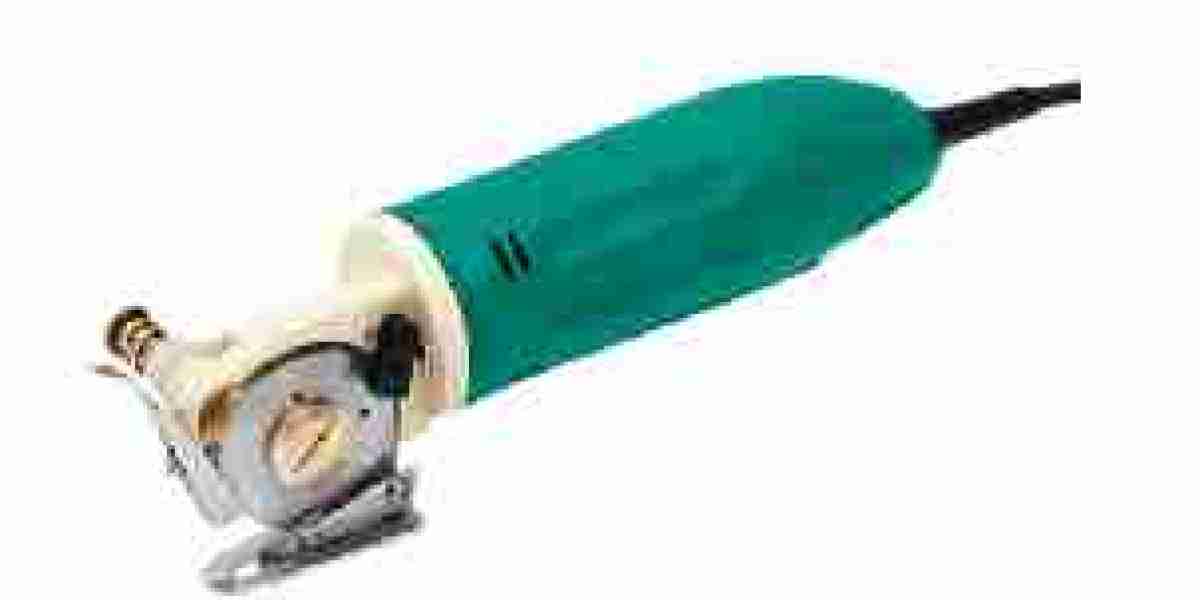

In modern garment production, small components can have a major influence on assembly efficiency, and zipper cutting machine technology has become an important part of preparing fastening materials for jackets, trousers, bags, sportswear, and outdoor apparel. Although zipper tape and related materials may appear simple, their flexible structure, repeated handling, and need for consistent preparation require suitable processing technology. Manufacturers increasingly consider cutting equipment not only as an individual machine but also as part of a coordinated production system.
Zippers are made from combinations of textile tapes, synthetic materials, metal or polymer elements, and other functional components. Each material behaves differently during processing. Textile tape can deform under tension, while synthetic materials may respond differently to heat, pressure, or mechanical contact. These characteristics make material knowledge important when designing a cutting process. A suitable system should work with the physical behavior of the material rather than treating every zipper component in exactly the same way.
Technology plays an important role in maintaining a stable workflow. Traditional manual cutting may depend heavily on operator experience and repeated measurement, while automated equipment can support more consistent positioning and processing. For manufacturers handling large production volumes or multiple garment styles, automation can reduce unnecessary interruptions between material preparation and subsequent sewing or assembly operations. This creates a more organized manufacturing environment in which each stage can connect smoothly with the next.
Another important consideration is cutting quality. A zipper component needs to be prepared in a way that supports its later integration with fabric panels and other garment parts. Uneven preparation can create difficulties during sewing, while inconsistent handling may affect the appearance of finished products. A well-designed processing system therefore focuses on controlled movement, stable feeding, and appropriate interaction between cutting tools and materials. These principles are especially valuable when production involves different zipper constructions or changing garment designs.
For apparel manufacturers, flexibility is increasingly important. Fashion collections can change quickly, and production may involve lightweight clothing, workwear, athletic garments, travel products, and accessories. A processing solution that can adapt to different materials and production requirements gives manufacturers greater freedom when organizing their workflows. This flexibility also supports smaller production batches, customized products, and faster transitions between styles without making the entire manufacturing process unnecessarily complicated.
From the consumer perspective, zipper processing may seem distant from the final wearing experience, but the connection is meaningful. A zipper is used repeatedly during the life of a garment, so smooth fastening, comfortable movement, and a clean appearance all contribute to how people perceive a product. When component preparation is carefully controlled, manufacturers have a stronger foundation for producing garments that feel dependable in everyday use. Technical consistency can therefore become part of the emotional value associated with comfort, convenience, and confidence.
Automation can also improve production management by helping manufacturers create more repeatable operating procedures. Instead of relying entirely on individual manual actions, automated systems can establish a more structured relationship between material feeding, cutting, collection, and downstream assembly. This approach can make it easier to organize production tasks, monitor workflow performance, and maintain consistent operating practices across different shifts. JEMA develops machinery with this broader manufacturing perspective in mind, connecting mechanical processing with practical production needs.
Sustainability is another factor influencing textile machinery development. Efficient material preparation can help manufacturers reduce unnecessary waste caused by inconsistent cutting or repeated manual adjustments. Better organization of production can also reduce idle operations and unnecessary material movement. These improvements do not depend solely on one machine; they are part of a broader effort to make textile manufacturing more resource-conscious. As apparel brands and manufacturers pay greater attention to responsible production, processing equipment has an increasingly important supporting role.
Maintenance and operator interaction should also be considered during equipment selection. Machinery used in continuous production needs a practical operating structure that allows workers to understand the process and manage routine activities efficiently. Clear material paths, accessible working areas, and sensible machine organization can contribute to a safer and more comfortable production environment. When automation is designed around real manufacturing conditions, technology becomes easier to integrate into existing workflows rather than creating unnecessary complexity.
As garment manufacturing continues to evolve, the role of the zipper cutting machine extends beyond simple cutting. It supports the preparation of functional components, connects material technology with automation, and contributes to the consistency of downstream assembly. Manufacturers seeking suitable textile processing solutions can explore JEMA's broader machinery and production capabilities through https://www.chinajema.com/product/ when evaluating equipment for modern apparel manufacturing.