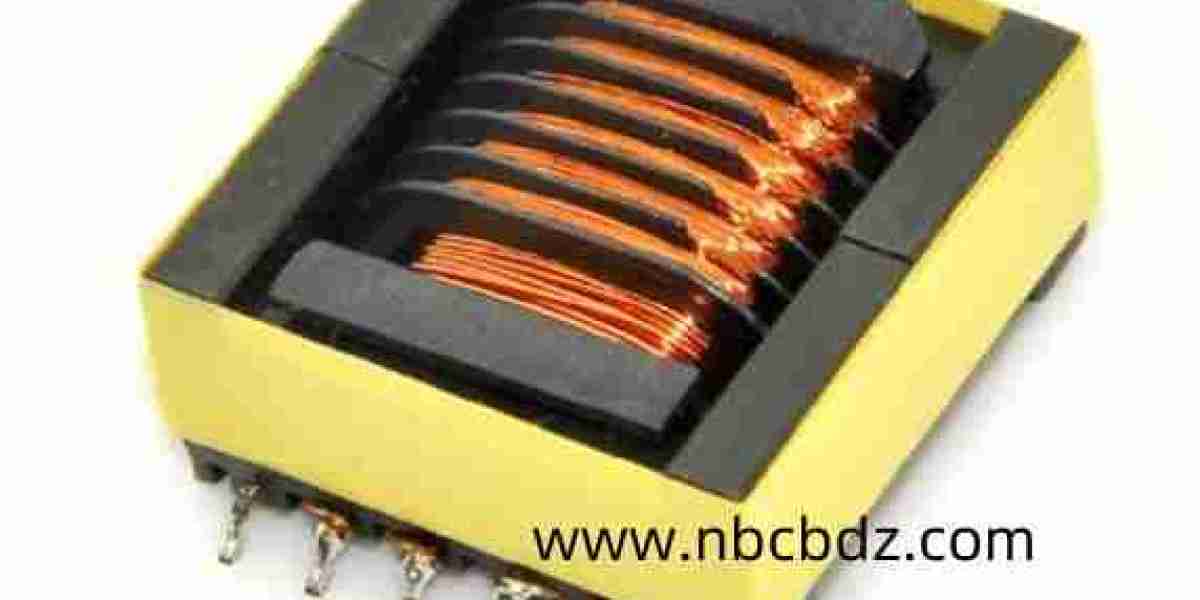

High Frequency Transformer Factory refers to a production facility dedicated to manufacturing magnetic components used in switching power supplies, adapters, communication equipment, industrial electronics, and related systems. Such a facility normally combines engineering preparation with material inspection, coil winding, insulation treatment, assembly, soldering, electrical testing, and final inspection.
The purpose of an organized production process is to connect each manufacturing stage with the requirements of the finished electronic product. Instead of treating each operation separately, manufacturers can coordinate materials, equipment, workers, inspection points, and documentation throughout the workflow.
How Does Production Begin?
Production generally starts with a review of drawings and technical requirements. Engineers need to confirm the intended electrical design, construction method, connection arrangement, material requirements, and application conditions before manufacturing begins.
This stage helps establish a clear production route. It can also identify questions about winding arrangements, insulation structures, mounting methods, and connection points before materials enter the workshop.
For customized orders, communication between the buyer and manufacturer is particularly useful. Clear drawings and application information can reduce uncertainty during later manufacturing stages.
Why Is Material Preparation Important?
Electronic magnetic components rely on several material groups, including magnetic cores, conductive wire, insulation materials, bobbins, terminals, and protective materials.
Incoming materials should be checked against the approved production requirements before use. Dimensions, surface condition, material identification, and other relevant characteristics can be reviewed according to the manufacturers inspection procedures.
Good material organization also helps production teams locate the correct components for each order. This becomes increasingly useful when a facility handles multiple designs at the same time.
What Happens During Winding?
Winding creates the conductive coils that form the electrical portion of the component. The wire is arranged around a suitable bobbin or supporting structure according to the approved design.
During this stage, production personnel need to control winding direction, turn arrangement, tension, spacing, and connection points.
Automatic equipment can assist with repeated operations, while process checks can help identify problems before assembly continues.
The winding method may vary according to the intended application, electrical design, available space, and insulation arrangement.
How Is Insulation Managed?
Insulation separates conductive sections and helps prevent unwanted electrical contact. It can involve insulating wire, tapes, films, sleeves, coatings, or other suitable materials depending on the design.
During production, workers need to maintain the intended insulation arrangement while avoiding damage to the surrounding materials.
Insulation treatment can also include processes intended to secure the winding structure and reduce movement between different layers.
Because insulation is part of the electrical safety design, production teams need to follow approved procedures and inspection requirements.
What Role Does Core Assembly Play?
After the winding stage, the magnetic core is assembled with the completed coil structure. Correct positioning is important because the core and winding work together as one electromagnetic unit.
Assembly personnel may need to check alignment, mating surfaces, fixing methods, and connection positions. Small mechanical inconsistencies can affect how the completed component fits into its intended equipment.
Depending on the design, adhesive materials or mechanical methods may be used to secure the assembly.
How Are Connections Completed?
Electrical connections need to be prepared so the finished component can connect correctly with the customers circuit board or equipment.
This can involve soldering terminals, shaping leads, removing excess material, and checking connection points.
The sequence of these operations can vary according to the product structure. Production teams normally follow defined work instructions to maintain repeatable procedures.
Visual inspection can also help identify issues such as incomplete soldering, unwanted residue, damaged terminals, or incorrect lead positioning.
Why Is Electrical Testing Necessary?
Testing provides a way to check whether the completed unit corresponds with its intended electrical characteristics.
Depending on the design, inspection may include inductance, winding resistance, turns ratio, polarity, insulation resistance, dielectric withstand, or other applicable measurements. The exact testing plan should correspond with the product requirements and applicable standards.
Testing can take place at selected production stages as well as after final assembly. The purpose is to identify potential issues before products are released for shipment.
How Does Final Inspection Work?
Final inspection brings together mechanical and electrical checks before packaging. Personnel may review the external condition, terminal arrangement, labeling, dimensions, and test records.
For customized orders, the final product can also be compared with approved drawings or samples.
Documentation is useful at this stage because it gives purchasing teams and production personnel a reference for future orders. Clear records can also support communication when repeat production is required.
How Does Packaging Fit The Process?
Packaging protects completed electronic components during storage and transportation. The packaging method should correspond with the physical structure of the product and the expected delivery environment.
Individual separation may be useful for small components, while larger orders can require organized inner packaging and outer protection.
Correct labeling also helps warehouses and customers identify different product groups after shipment.
Packaging therefore forms the final operational stage rather than being treated as an unrelated activity.
Can Production Support Custom Orders?
Custom electronic components often require communication between drawings, engineering teams, production personnel, and purchasing departments.
A manufacturer may review the customers application, confirm available materials, prepare samples, evaluate the production process, and then move toward regular manufacturing after the design has been approved.
This approach can be useful when the required component needs to fit a specific circuit board, enclosure, power supply, or electronic device.
The production route should be adjusted according to the actual product design rather than applying one process to every order.
How Does Nbcbdz Approach Manufacturing?
Nbcbdz provides magnetic components for electronic and power related applications. Its manufacturing process can be organized around engineering review, material preparation, winding, assembly, connection work, inspection, and packaging.
For buyers, discussing the intended application before production can help clarify the required construction and manufacturing approach. This can also make communication easier when drawings or customized requirements are involved.
A practical supplier relationship is built around clear requirements, suitable materials, controlled production procedures, and appropriate inspection.
What Should Buyers Review Before Cooperation?
Before placing an order, buyers can prepare information about the intended equipment, electrical requirements, installation method, operating environment, and expected application.
Drawings, samples, connection information, and other technical documents can help the manufacturer evaluate the production process.
Buyers should also discuss inspection procedures, packaging requirements, documentation, and sample approval arrangements before moving into larger production quantities.
Clear communication at the beginning can make the manufacturing process easier to coordinate later.
Why Does Process Coordination Matter?
Electronic magnetic components pass through several connected operations before reaching the customer. Material preparation affects winding, winding affects assembly, assembly affects testing, and testing determines whether the finished unit is ready for release.
A coordinated workflow helps each department understand its role in the complete process.
For businesses looking for production support for electronic power components, Nbcbdz offers related products and manufacturing solutions that can be reviewed through the https://www.nbcbdz.com/product/