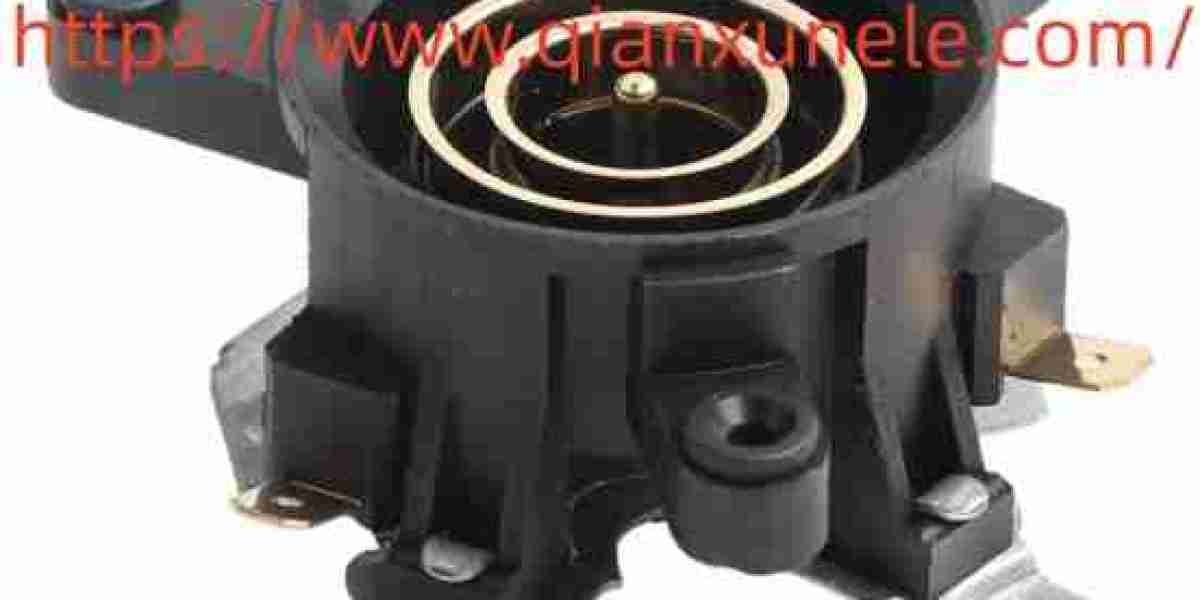

Smart Kettle Thermostat Coupler is a component designed to connect temperature responsive movement with the electrical control process inside a heating appliance. Although the part itself is relatively compact, its position within the appliance allows it to participate in the transition between heating and automatic shutoff. The basic concept is straightforward: when surrounding heat changes, a thermal element responds, and that response can influence the electrical path that supplies power to the heating system.
The value of this arrangement comes from coordination rather than complexity. A heating appliance needs energy to raise the water temperature, but it also needs a way to stop the heating process when the intended condition is reached. A thermal coupler can provide the mechanical and electrical connection required for that sequence.
How Does The Heating Control Process Work?
The process starts when the appliance receives electrical power and the heating element begins producing heat. As the water temperature rises, heat gradually reaches the thermal sensing area. The sensing element reacts to this increase and changes its physical position.
Many traditional thermal systems use a bimetal structure. Two different metals are joined together, and each material responds differently when exposed to heat. As their expansion rates differ, the combined structure bends or changes position.
That movement can operate a switching mechanism. When the thermal response reaches the designed operating point, the switch changes state and interrupts the electrical path. The heating element then stops receiving power.
The process can be summarized simply:
Heat rises → thermal element responds → mechanical movement occurs → electrical contact changes → heating stops
This method provides a direct relationship between temperature and power control without requiring complicated software for basic shutoff operation.
Why Is Thermal Response Important?
Temperature does not rise at a constant rate throughout every heating cycle. The amount of water, starting temperature, vessel structure, heating conditions, and surrounding environment can all influence how heat travels through the appliance.
Because of this, the sensing position and mechanical arrangement matter. A thermal component needs to respond to the conditions that are relevant to the appliance rather than reacting to an unrelated hot spot.
A properly arranged control structure helps the appliance respond when the desired thermal condition is reached. It can also contribute to protection when abnormal heating occurs.
For manufacturers, this means component selection should consider the complete appliance structure instead of looking at an individual part in isolation.
How Does The Coupling Structure Support Electrical Control?
The connection between the appliance body and its power base is an important part of the overall system. When the body is placed correctly, the electrical contacts establish a path for current to reach the heating element.
At the same time, the thermal control mechanism needs to remain mechanically aligned with the switching system. The coupler therefore has a dual role within the appliance architecture.
It supports the electrical connection while providing the structural relationship required for thermal switching.
Contact stability is particularly important during repeated operation. Each heating cycle involves temperature changes, electrical current, mechanical movement, and physical engagement between components. A suitable design needs to accommodate these conditions as part of normal appliance use.
What Happens When The Heating Cycle Reaches Its Control Point?
As the temperature continues to increase, the thermal element moves closer to its switching position. Once the designed trigger condition is reached, the mechanism changes the state of the electrical contact.
The power path is interrupted, and the heating element stops generating additional heat.
This automatic sequence is useful because the user does not need to monitor the temperature continuously. The appliance responds to its own internal thermal condition.
After the appliance cools, some designs allow the thermal element to return toward its original position. Depending on the appliance structure, the control arrangement may then be ready for another heating cycle.
This repeated process is one reason thermal switching remains useful in household heating equipment. It relies on a physical response that directly corresponds with the condition being monitored.
What Should Manufacturers Consider When Choosing A Component?
Manufacturers should examine several aspects before integrating a thermal control component into a new appliance design.
The first consideration is mechanical compatibility. The component must fit the available installation area and work correctly with surrounding structures.
Electrical compatibility is another consideration. Contact arrangement, connection position, and circuit requirements need to correspond with the appliance design.
Thermal behavior also deserves attention. The sensing element needs to respond appropriately to the heat conditions generated by the appliance. If heat transfer is inconsistent, the switching response may not match the intended operating cycle.
Manufacturers should also consider assembly efficiency. A component that integrates naturally into the production structure can make installation more straightforward and reduce unnecessary adjustments during assembly.
Testing should cover electrical continuity, mechanical movement, thermal response, and repeated operating cycles according to the requirements of the finished appliance.
How Can Qianxunele Support Appliance Development?
Qianxunele focuses on thermal control components used in heating appliance applications. Its product approach can support manufacturers working with different appliance structures and control requirements.
For product developers, choosing a suitable component is not simply about selecting a connector that fits physically. The electrical circuit, thermal pathway, installation position, mechanical movement, and intended operating process should all be considered together.
A practical development process can begin with identifying the appliance heating structure, determining where temperature response needs to occur, confirming the required switching action, and then evaluating component compatibility.
This approach can help manufacturers create a more coordinated relationship between the heating element, thermal mechanism, electrical contacts, and power base.
For manufacturers reviewing suitable solutions for kettle applications, product information is available at https://www.qianxunele.com/product/kettle-thermostat-coupler/ where the component structure can be considered alongside the requirements of the intended appliance design.