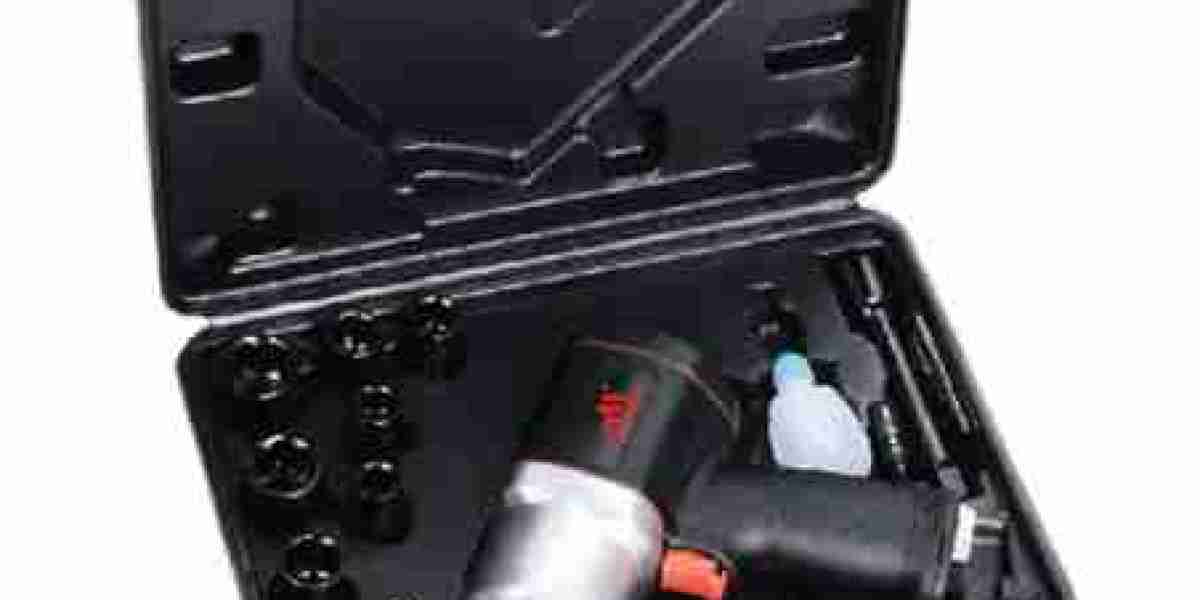

Powerful Impact Wrench selection is not only about choosing the highest torque specification available. Different applications require different levels of output, control, and durability. From vehicle maintenance to industrial assembly, users need to match tool performance with the actual fasteners, working environment, and frequency of use.
Torque capability is one of the first factors buyers consider, but the required value depends on the job. Passenger vehicles, heavy trucks, construction equipment, and industrial machinery all use different fastener sizes and tightening requirements. A Powerful Impact Wrench designed for large structural bolts may provide unnecessary force for smaller automotive repairs, where excessive torque can damage threads or reduce fastening accuracy.
Drive size also influences how effectively a wrench transfers impact force. Smaller drive sizes are commonly used for general vehicle maintenance, while larger drives are preferred for heavy-duty applications involving larger bolts and higher torque demands. Selecting the correct drive size helps improve control, reduce tool stress, and ensure the socket and fastener work together properly.
Air supply is another important factor for pneumatic models. Even a high-performance wrench cannot deliver stable output if the compressor cannot provide enough airflow. Hose diameter, hose length, and pressure stability all affect actual tool performance. Before purchasing equipment, workshops should evaluate their air system to ensure the tool can operate at its expected capacity.
Working efficiency also depends on additional features such as adjustable torque settings, variable speed control, and forward or reverse operation. These functions allow operators to switch between different fastening tasks more easily, from loosening tight bolts to completing controlled assembly work. For users handling multiple applications, flexibility can be just as important as maximum torque.
Durability becomes especially important in professional environments where tools operate for long periods. A Powerful Impact Wrench used in repair shops, production lines, or fleet maintenance needs reliable internal components that can withstand repeated impact cycles. Buyers should consider duty cycle, maintenance requirements, and supplier support instead of focusing only on peak torque numbers.
Choosing the right impact wrench is ultimately about balancing power, control, and working conditions. By understanding application requirements and matching specifications correctly, users can achieve better efficiency and longer service life from their pneumatic tools.